Join our upcoming webinar with Dr. Vanessa Oliveira Castro (TUBAF): “Electrospinning of nanocellulose-stabilized emulsions toward multiphasic fibers.”
Date: February 17th, 2026 Time: 5 p.m. CET / 11 a.m. ET / 8 a.m. PT.
Abstract
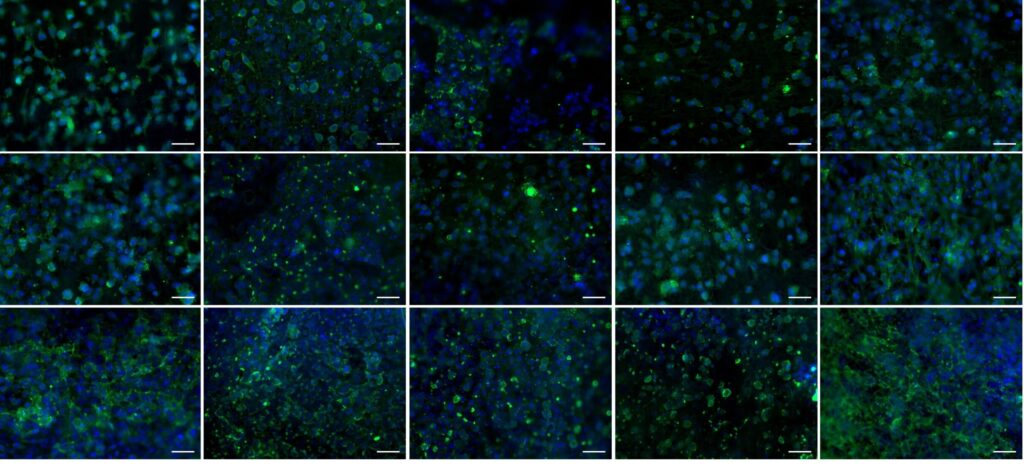
In Pickering Emulsions (PEs), multiphasic systems are stabilized by particles. By electrospinning, these systems can be converted into fibers that preserve the multiphasic character and are able, for instance, to store active compounds through core-shell architectures. Due to this exceptional ability, such fibers have high promises for advanced material applications in drug delivery, tissue engineering, filtration, or catalysis. This study explores fundamental principles of PE electrospinning based on polysaccharides, such as dextran that later form the multiphasic fiber matrix, and cellulose nanocrystals as emulsion stabilizers. To achieve fiber spinnability, we present strategies for tailoring water-in-water PEs, by selecting suitable water-soluble polymers, or by varying their concentration and the phase ratio, as well as by adapting the concentration of the particle stabilizer. The phase behavior and stability of PEs are analyzed by fluorescence microscopy, using selective dyes for each of the polymer phases. For fiber characterization, scanning electron microscopy (SEM) and transmission electron microscopy (TEM) were used to analyze the fiber morphologies and to confirm the resulting core-shell architecture, respectively. Ultimately, we will show how PE electrospinning can be a promising and, more importantly, scalable alternative to multiaxial electrospinning for the production of multiphasic and functional fibers.
About the speaker
Dr. Vanessa Castro is a material science specialist with a focus on polymers. She obtained her PhD in 2022 from UFSC (Brazil) with a project based on the development of conductive electrospun membranes for nerve regeneration. During the last year of her PhD, she participated in an exchange program at the Institute “Institut National des Sciences Appliquées de Lyon” (France) to investigate the potential of bio-ionic liquids to increase membranes properties, such as biocompatibility. In 2023, she started her postdoc in the Green Functional Materials group, led by Dr. Katja Heise. Her mission in the team was the development of green Pickering emulsions for multiple applications. Since November 2025, she has been the group leader of the BioWin junior research group at Technische Universität Bergakademie Freiberg, Germany. The research is focused on sustainable materials and circular bioeconomy solutions. The work centers on converting agricultural and food-processing residues into high-value polymer-based materials such as films and electrospun membranes, using green chemistry.
About TUBAF
The Technische Universität Bergakademie Freiberg (TUBAF) is a research-oriented technical university with a strong focus on materials science, sustainability, and resource efficiency. Within TUBAF, the Institute for Nanoscale and Biobased Materials (INBM) contributes to this mission by developing innovative nano- and biobased functional materials, linking fundamental research with applications in energy, environmental, and biomedical fields.
More information
Technische Universität Bergakademie Freiberg. Click here for more information.
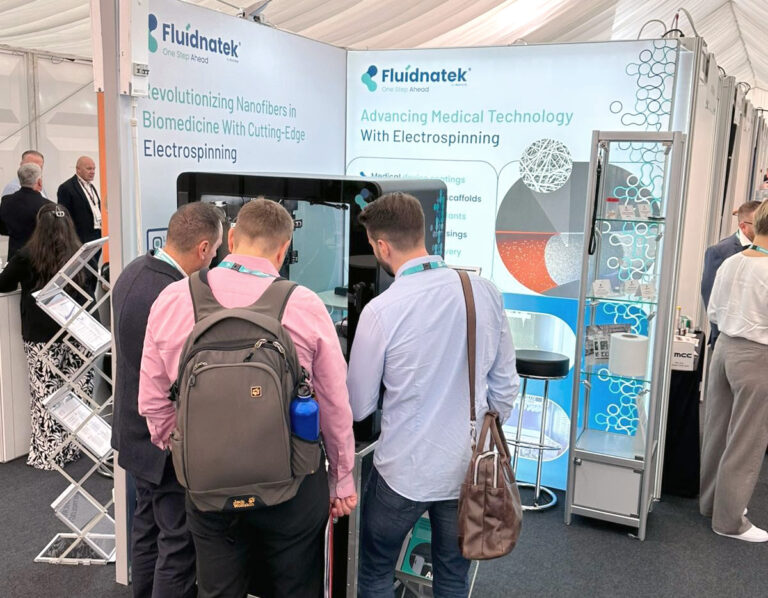
Fluidnatek successfully participated in MEDICA-COMPAMED 2025, the leading international event for the healthcare industry, which brought together over 5,300 exhibitors from 70 nations and attracted 78,000 professional visitors from November 17 to 20 in Düsseldorf. This participation provided a valuable opportunity to connect with the international scientific community and gain deeper insights into the trends shaping the future of biomedical applications.
A Strategic Encounter with the Global Healthcare Ecosystem
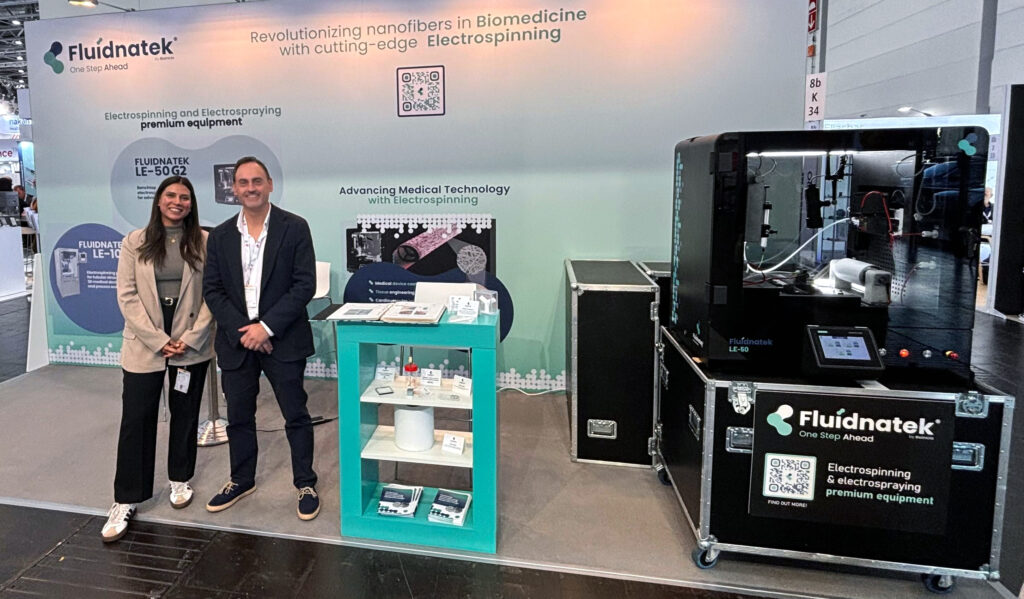
From Stand 8bK34 in Hall 8B at COMPAMED, our team conducted live demonstrations of the LE-50 Gen2 system throughout all four days of the fair, allowing visitors to experience firsthand the capabilities of electrospinning technology and establish meaningful connections with top-level professionals in the sector. The fair, which adopted the theme “Meet Health. Future. People.” this year, consolidated its position as an essential meeting point for healthcare industry decision-makers. According to the organizers’ data, three-quarters of professional visitors belong to senior management at their companies or organizations, and 75% traveled from 160 different countries, confirming the truly global reach of the event.
The intensive days in Düsseldorf proved particularly enriching for Fluidnatek. The dynamic exchanges with visitors from different regions around the world provided valuable perspectives on current challenges in the biomedical sector and emerging needs in areas such as tissue engineering, regenerative medicine, and advanced drug delivery systems.
Key Learnings for Future Development
Participation in MEDICA-COMPAMED 2025 enabled Fluidnatek to identify important trends that will guide our technological development in the coming years:
Tissue Regeneration and Personalized Medicine: Conversations with researchers and clinical professionals revealed a growing demand for more versatile solutions for creating 2D and 3D scaffolds tailored to specific applications, from bone and cartilage regeneration to vascular engineering.
Advanced Wound Healing: The interest shown in next-generation wound dressings with superior healing properties underscores the need to continue innovating in functional materials that integrate antimicrobial capabilities, growth factors, and controlled release of active ingredients.
Smart Medical Devices: The integration of specialized coatings in medical devices with complex geometries emerges as a high-potential area, particularly in implants and devices with prolonged tissue contact.
Controlled Release Platforms: The development of drug delivery systems based on functionalized nanofibers remains a field of great interest, particularly in oncology, chronic disease treatment, and localized therapies.
Strategic Collaborations and Industry Synergies
One of the most valuable aspects of participating in COMPAMED has been the opportunity to establish dialogues with leading companies in the sector. This environment has allowed Fluidnatek to position itself as a technology partner specializing in electrospinning and electrospraying processes, with capabilities ranging from biomedical research to applications in pharmacy, cosmetics, filtration, energy, and new materials.
Looking Toward the Future of Biomedicine
The experience at MEDICA-COMPAMED 2025 reinforces Fluidnatek’s vision of the transformative role that nanofiber technologies can play in the medicine of the future. The conversations held during the fair provided valuable insights into the directions in which the biomedical sector is evolving:
The growing demand for solutions for organoids and complex tissue models that enable advances in personalized medicine and more predictive preclinical trials.
Interest in sterile applications and systems that ensure maximum safety for implants and devices in direct contact with the organism.
The need for scalability and reproducibility in the manufacturing of advanced biomedical materials.
The integration of multiple functionalities into a single technological platform, combining mechanical, biological, and pharmacological properties.
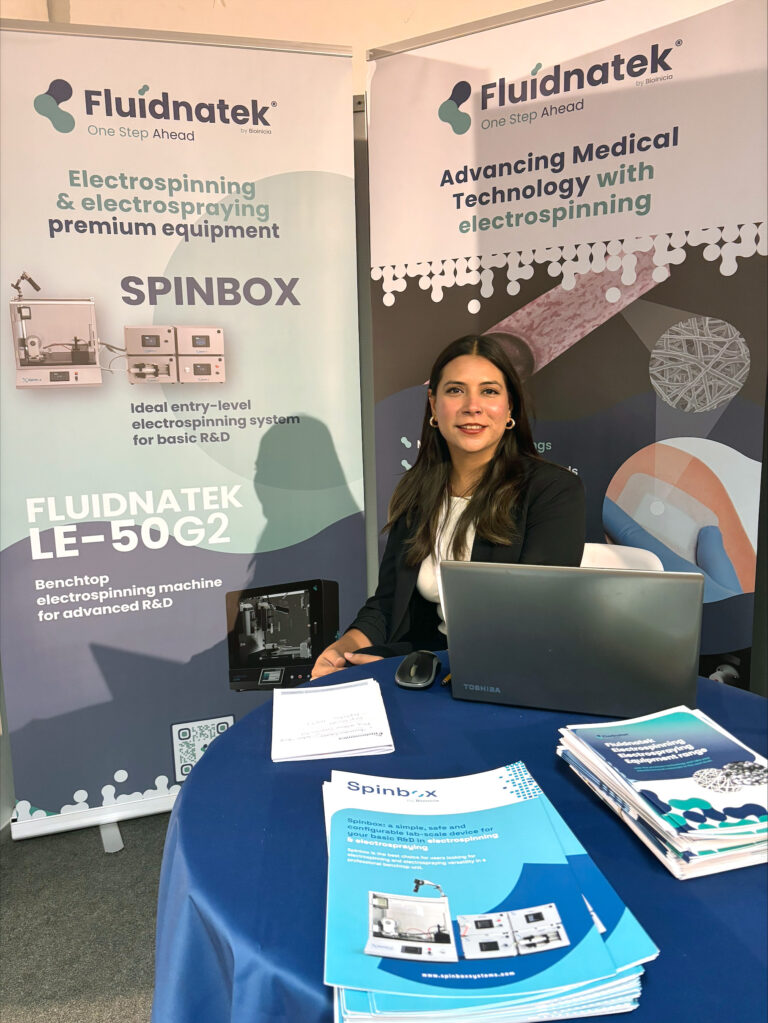
Becky Thunio and Enrique Navarro at the Fluidnatek booth during COMPAMED 2025.
Ongoing Commitment to Innovation
The next edition of MEDICA and COMPAMED will take place from November 16 to 19, 2026, in Düsseldorf. The organizers have announced they will continue developing both events toward greater integration, leveraging synergies and expanding their international relevance, with the goal of facilitating even more intensive interdisciplinary dialogue among industry, science, politics, and clinical practice.
For Fluidnatek, participation in MEDICA-COMPAMED is not simply an exhibition opportunity, but an ongoing commitment to learning, collaborative innovation, and developing solutions that respond to the real needs of the biomedical sector. The knowledge acquired at this edition will guide our R&D efforts and allow us to remain a reference in electrospinning technologies for the advancement of biomedical applications.
We thank all the professionals who visited our stand and shared their experiences and visions about the future of biomedicine. These exchanges are fundamental to continuing the development of technologies that truly make a difference in people’s health and well-being.
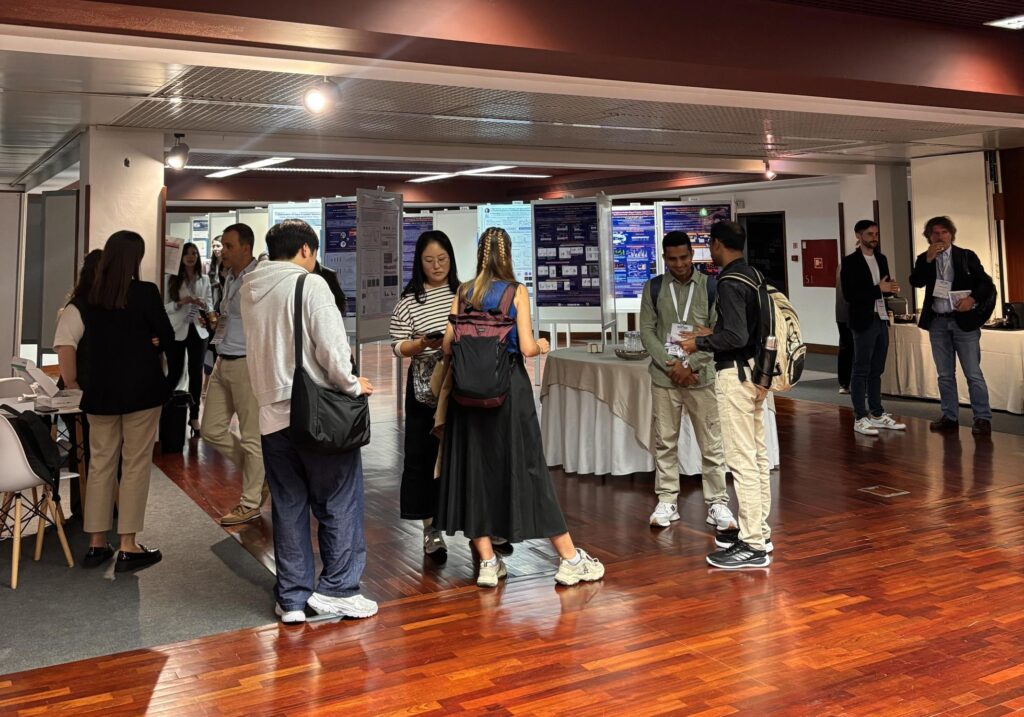
The German Society for Biomaterials 2025 (DGBM) conference in Dresden has wrapped up, leaving us inspired and grateful for the vibrant exchange of knowledge with leading experts in biomaterials and regenerative medicine.
A heartfelt thank you to the DGBM organization for hosting such an impactful event and to every delegate who contributed to deep discussions around the future of electrospun nanofibers and their role in innovative therapies and advanced drug delivery.
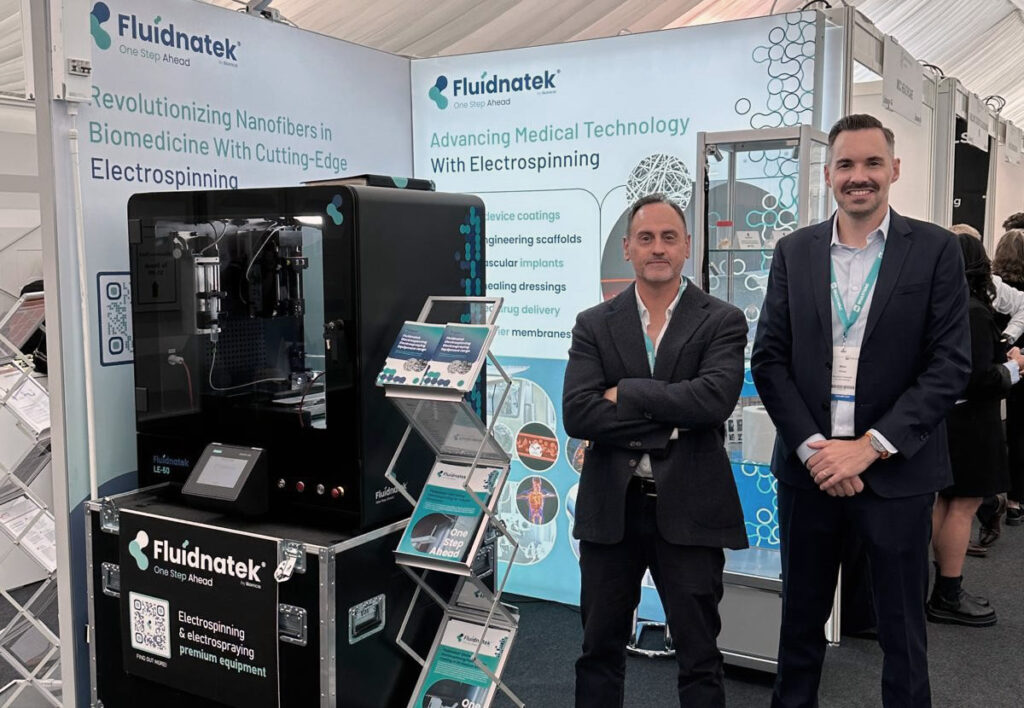
Fluidnatek is proud to strengthen its positioning in the biomedical community and to continue revolutionizing nanofiber solutions with cutting-edge electrospinning technology. Special thanks to our colleagues Becky Tunio (KAM) and Enrique Navarro (Sales & Marketing Manager) for representing our commitment and expertise on-site.
Let’s keep pushing the boundaries of innovation together!
Fluidnatek made a significant impact at Medical Technology Ireland 2025, held September 24–25 at the Galway Racecourse, where we proudly unveiled our groundbreaking LE-50 Gen2 electrospinning and electrospraying platform. This cutting-edge system represents the future of nanofiber and nanoparticle research in biomedical applications.
Live Innovation in Action
Our exhibition stand became a hub of scientific discovery as attendees witnessed live demonstrations of the LE-50 Gen2‘s remarkable capabilities. This state-of-the-art benchtop system revolutionizes laboratory research by seamlessly integrating both needle-based and needleless technologies within a single, versatile unit.
Unmatched precision for multi-material scaffold development
These advanced functionalities position the LE-50 Gen2 as the ideal solution for pioneering applications in tissue engineering, accelerated wound healing, precision drug delivery systems, and next-generation medical device coatings.
Expert Representation
Fluidnatek’s presence was expertly represented by our specialized team:
Enrique Navarro, Sales & Marketing Manager
Milan Proks, Key Account Manager
Transforming Medical Science
Electrospinning technology is revolutionizing biomedical research by enabling the creation of nanofiber-based scaffolds that precisely replicate the natural extracellular matrix. This biomimetic approach significantly enhances cell growth and accelerates tissue regeneration processes. Additionally, our electrospun materials deliver controlled, targeted release of therapeutic compounds, opening new frontiers in personalized medicine.
The LE-50 Gen2’s exceptional precision combined with its scalability makes it an indispensable tool for researchers and companies driving the next wave of medical technology breakthroughs.
Looking Forward
We extend our sincere gratitude to all the innovators, researchers, and industry leaders who visited our stand and engaged in meaningful discussions about how Fluidnatek’s advanced solutions can accelerate biomedical innovation. These valuable conversations fuel our commitment to pushing the boundaries of what’s possible in medical technology.
For more information about the LE-50 Gen2 and how it can transform your biomedical research, contact our team today.
Showcasing innovation in electrospinning and biomedical polymers
Fluidnatek successfully participated in the FBPS 2025 – Biomedical Polymers & Electrospinning Symposium, recently held in Porto. This international symposium provided a unique opportunity to present our latest innovations in electrospinning technology, nanofibers for biomedical applications, and advanced polymers, while strengthening collaboration with the global scientific community.
Event highlights
Innovative solutions on display
We showcased our latest developments in nanofiber electrospinning, nanotechnology, and biomedical applications, attracting strong interest from researchers and industry professionals.
Knowledge exchange
Our team engaged with international experts, generating enriching discussions and potential collaborations for future projects in biomaterials and nanofibers.
Excellent reception at our booth
Many visitors approached our booth to learn more about our technology, explore applications, and discuss opportunities for scientific and industrial collaboration.
Looking ahead
We would like to thank the symposium organizers for such an inspiring edition, as well as all visitors who shared their ideas and enthusiasm with us.
Events like FBPS 2025 confirm that we are on the right path: continuing to innovate in electrospinning, strengthen ties with the scientific community, and develop solutions with a real impact in biomedical applications.
Discover more about our electrospinning technologies and how we apply nanofibers and advanced polymers in biomedicine.
Join the Nanofiber Revolution with Bioinicia Fluidnatek!
Are you a dynamic and results-oriented sales professional with a passion for cutting-edge technology? Do you thrive in a fast-paced, innovative environment? If so, Bioinicia Fluidnatek has an exciting opportunity for you!
We are seeking a talented Key Account Manager (KAM) to join our team and drive growth in Central Europe. As a KAM, you will be responsible for developing and managing key customer relationships, promoting our state-of-the-art nanofiber equipment, and expanding our market presence in the region.
About Bioinicia Fluidnatek:
We are a leading company in the field of nanofiber and nanoparticle technologies, specializing in electrospinning equipment. Our innovative solutions are revolutionizing industries such as pharmaceuticals, cosmetics, food, and filtration. With a strong focus on research and development, we are committed to pushing the boundaries of what’s possible with nanofibers.
Your Mission
Identify and target potential customers in Central Europe, either the Netherlands, Belgium and France or Germany, Switzerland and Austria.
Develop and execute a strategic sales plan to achieve and exceed sales targets.
Build and maintain strong relationships with key decision-makers at target accounts.
Conduct product presentations and demonstrations to showcase the value of our equipment.
Negotiate and close sales contracts, ensuring customer satisfaction and long-term partnerships.
Represent Bioinicia Fluidnatek at industry events and conferences.
Provide regular sales reports and market feedback to the Sales Manager.
What You Bring
Proven track record of success in key account management, preferably in the sales of capital equipment.
Strong technical background or aptitude, with the ability to understand and explain complex technical concepts.
Excellent communication, presentation, and negotiation skills.
Self-motivated and proactive, with a strong drive to achieve results.
Ability to work independently and as part of a team.
Willingness to travel frequently within Central Europe (25-30% of time).
Fluency in English is required; communication skills in Spanish, French, Dutch or German are a plus.
Profile and skills required
Previous experience of at least 4 years working as KAM, preferably in the field of equipment sales.
Proven experience creating a customer portfolio.
Higher education with technical background will be highly considered (e.g. engineering…) since it will help to a better understanding of the process and the technology that Bioinicia is offering.
Person used to being proactive and working autonomously with the tools and resources provided.
It must be results-oriented person and committed to reach the goals established by the Sales Manager of the equipment business unit.
The person will report directly to the Sales Manager of the equipment business unit.
Person used to travel often. Availability to travel 25-30% of time.
Having a high level of German language (speaking and writing) will be positively considered. High level of English and Spanish is required.
It is required an organized and disciplined person with good commercial skills, as well as able to create, increase and manage properly, proactively and efficiently a customer portfolio.
Familiarity with usual marketing & sales tools: CRM, ERP, online professional networks, etc…
Bioinicia intends to create a long-term relationship with the person hired for the KAM position offered and the remuneration consists of a fix base salary + attractive variable bonus.
Why Bioinicia Fluidnatek?
Opportunity to work with a cutting-edge technology that is transforming multiple industries.
Dynamic and collaborative work environment.
Competitive salary and benefits package.
Chance to grow your career with a rapidly expanding company.
Ready to Make an Impact?
If you are a passionate and driven sales professional looking for a challenging and rewarding opportunity, we want to hear from you! Please submit your CV and cover letter detailing your qualifications and experience: marketing@bioinicia.com
To mimic the structure and function of natural extracellular matrix (ECM), electrospun fibrous meshes (eFMs) have been developed at the 3B’s Research Group (University of Minho, Portugal). Despite their physical resemblance, the ability of natural ECM to locally bind, store and deliver bioactive factors to adjacent cells have been also considered. Materializing, antibodies, tissue-specific proteins, soluble growth factors or extracellular vesicles were immobilized at the high surface area of eFMs. These biofunctional systems were developed to specifically regenerate cartilage, bone, vascular, neural and thymic tissues, using either endogenous or natural biomolecules. Ultimately, we aim to validate, at the preclinical and clinical stages, advanced target therapies for human use.
About the speaker
Dr. Albino Martins is an expert in Tissue Engineering and Regenerative Medicine at 3Bs – University of Minho, with expertise in nanostructures for targeted therapies. He holds a PhD in Tissue Engineering and has authored over 85 publications, accumulating 4,000+ citations (h-index 36). His work focuses on functionalized nanofibers and nanoparticles for cell modulation and cancer treatment. He has led and coordinated several national and international research projects, holds multiple patents, and actively participates in scientific dissemination. Martins also serves on editorial boards of high-impact journals and has supervised numerous graduate students, contributing significantly to research, innovation, and education in biomaterials and regenerative medicine.
About 3B’s
The 3B’s Research Group, part of the 3Bs Institute at the University of Minho, Portugal, is a leading center in biomaterials, tissue engineering, and regenerative medicine.Established in 1998, it focuses on developing natural polymer-based biomaterials and stem cell therapies for applications in drug delivery and tissue regeneration.The group leads the European Institute of Excellence on Tissue Engineering and Regenerative Medicine, with branches in 13 countries.
More information
3B’s Research Group. Click herefor more information.
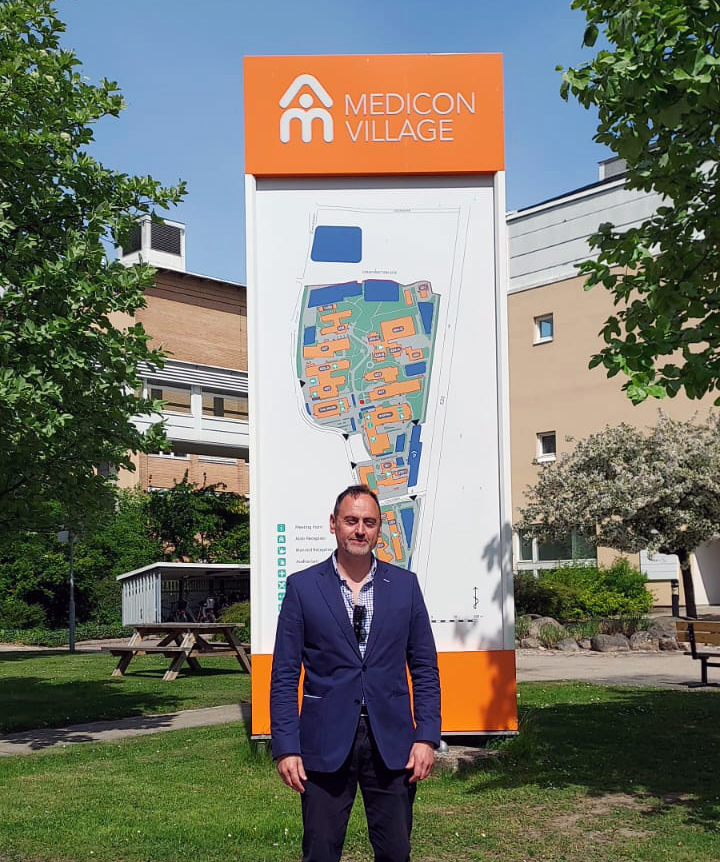
We’re thrilled to share that Fluidnatek is on a commercial mission in Medicon Valley Alliance, one of Europe’s most dynamic medical clusters. 🌍 Our presence at the #MVAAnnualSummit2025 is a key step in deepening our engagement with the science community, fostering new collaborations, and exploring business opportunities in this vibrant ecosystem.
Representing us at the summit is our Sales and Marketing Manager, Enrique Navarro Alonso, who is actively connecting with industry leaders and showcasing Fluidnatek’s latest innovations. 🤝
If you’re at the event, be sure to meet us and discover how we can work together to shape the future of life sciences.
Proud to be part of this international hub for pharma, biotech, and medtech advancement!
Why Environmental Control Is Crucial in Electrospinning
The Environmental Control Unit (ECU) is a self-contained external system that supplies conditioned, clean air to the fabrication chamber, regulating temperature (T) and relative humidity (RH) throughout the electrospinning process. Additionally, the air flow can be monitored and adjusted as needed. Properly controlling T, RH, and air flow is essential for achieving consistent fiber or particle morphology, enhancing sample uniformity and production efficiency, and ensuring effective evaporation of solvent vapors—thereby reducing residual solvent in fibers or particles.
Enviromental Control Unit by Fluidnatek.
Achieving reproducible fabrication of nanofibers and nanoparticles by electrospinning and electrospraying can present challenges. Incorporating the ECU significantly boosts the performance of electrospinners by allowing consistent fabrication regardless of time and location and by reducing the risk of clogging. Effective environmental control in electrospinning opens up possibilities for using a broader range of polymers and solvents in advanced sample development. The ECU also enhances the process’s repeatability (ensuring batch-to-batch consistency) and scalability while maintaining safe conditions for the operator.
Advantages of using the Environmental Control Unit developed by Fluidnatek in your electrospinning process when it comes to:
Polymers
Solvents
ACTIVE INGREDIENTS
Fiber properties& Morphology
Scalability
Safety
POLYMERS
Polymers sensitive to temperature & relative humidity:
The ability to control the environmental conditions during electrospinning process expands the list of polymers that can be properly processed. These include polymers particularly sensitive to temperature and humidity. A good example of this, amongst others, are the following polymers: Polycaprolactone (PCL), polylactic acid (PLA), polyglycolic acid (PGA), polylactic-co-glycolic acid (PLGA), polyethylene oxide (PEO), polyacrylonitrile (PAN), polyurethane (PU), Gelatin (Gel), Collagen (Clg), and nylon (N6 or N66). These polymers are used in applications like tissue engineering, medical devices, drug delivery, filtration, energy storage, food packaging, and other ones.
Tightly controlling temperature, relative humidity and air flow will allow consistent Taylor cone stability, prevent needle clogging (in needle-based electrospinning systems), and open research and production possibilities resulting in consistent and reproducible fabrication independent of time of year and location.
Picture 1 demonstrates the impact of precise control over temperature and relative humidity on fiber morphology, showing SEM images of two defect-free samples produced using different environmental conditions.
Figure 1a
Figure 1b
Picture1. Electrospun fibers developed under tight conditions with the Fluidnatek Environmental Control Unit (ECU) technology: a) PCL microfibers at 24°C/40% RH, b) PLA sub-microfibers at 25°C/30% RH. Images by Nanoscience Instruments.
Polymers with High Solvent Affinity:
Polymers that have good affinity to solvents can be difficult to minimize the residual solvent unless the right temperature, relative humidity and sometimes even a specific air flow rate are used during fabrication. A few examples of this include Collagen (Clg), Gelatin (Gel), Chitosan (natural materials) and solvents like Hexafluoroisopropanol (HFIP). These natural polymers are widely used in electrospinning, in uses like tissue engineering applications and medical devices (e.g. in applications like wound healing) as they are found in the native extracellular matrix and can be tuned to application needs thanks to the unique capabilities of electrospinning.
The addition of the Fluidnatek Environmental Control Unit ensures a wide range of temperature and relative humidity, simplifying the processing of polymers and solvents with good affinity and ensuring proper solvent removal during sample development (e.g. R&D stage), or during fabrication, when the process has been scaled up and taken to manufacturing stage.
Figure 2 shows the collagen and gelatin fibers processed with HFIP under tight environmental conditions which can be achieved using the Fluidnatek ECU. Operating at low relative humidities can cause needle clogging and dripping. Preventing needle clogging and dripping was possible for collagen when increasing the humidity up to 63%, allowing for constant electrospun fiber production (Picture 2a).
In the other case, gelatin microfibers from a recipe with HFIP blended with acetic acid as solvents in this electrospinning process, were obtained at lower humidity (35% RH). In this case, the solution and processing parameters were optimized to allow for ribbon shaped structures (Foto 2b).
Figure 2a
Figure 2b
Figure 2. Electrospun natural fibers produced at defined environmental conditions. a) Collagen fibers at 22°C and 63% RH, b) Gelatin fibers at 25°C and 35% RH, both dissolved in HFIP. Images by Nanoscience Instruments.
ENVIRONmental Control in electrospinning with fluidnatek ecu
Solvents
Managing environmental conditions during electrospinning expands the range of usable solvents.
Volatile Solvents:
Solvents like acetone (Ace), dichloromethane (DCM), chloroform (CHF), methyl acetate (MA), and ethyl acetate (EA) are frequently used in electrospinning and electrospraying. With high vapor pressures and rapid evaporation rates, can cause issues such as needle clogging or secondary jetting (Figure 3a), which makes consistent production and reproducibility difficult. Effective environmental control allows these volatile solvents to be used by setting optimal conditions to prevent needle clogging (Figure 3b).
Figure 3: A polymer solution with a low boiling point processed at varying humidity levels: a) 25°C, 35% RH causing clogging, and b) optimized at 25°C, 50% RH, allowing for a stable process and preventing clogging. Images by Nanoscience Instruments.
Figure 4 shows typical examples of PCL and PLA fibers and particles developed with high vapor pressure, volatile solvents. These biocompatible materials are widely used in fields such as tissue engineering, medical devices, and drug delivery. Without proper control over temperature and humidity, consistently producing these fibers or particles would not be feasible.
Figure 4a
Figure 4b
Figure 4c
Figure 4. Electrospun fibers and electrosprayed particles produced using highly volatile solvents under controlled environmental conditions: a) PCL in DCM at 25°C, 40% RH, b) PLA in DCM at 25°C, 50% RH, and c) PCL in MA at 22°C, 60% RH. Images by Nanoscience Instruments.
Non-volatile solvents (low evaporation rate):
Solvents with low evaporation rates, such as acetic acid (AA), dimethylformamide (DMF), dimethyl acetamide (DMAc), water (W), and N-Methyl-2-pyrrolidone (NMP), can be challenging to process because they do not evaporate fully, leading to fiber or particle adhesion and significant residual solvent content. This issue commonly arises with these types of solvents. How does the Environmental Control Unit address this challenge? By increasing the air temperature in the chamber (reducing relative humidity) and lowering absolute humidity, the unit facilitates processing and minimizes residual solvent in the resulting fibers or particles.
The water-soluble polymer polyethylene oxide (PEO) is often used in electrospinning as a sacrificial polymer, helping to produce fibers and particles from materials that are otherwise difficult or impossible to spin on their own. Figure 5a displays SEM images of PEO fibers dissolved in water. At low relative humidity, water evaporates more efficiently, enabling larger fiber formation. In contrast, higher relative humidity slows down evaporation, allowing for fine adjustments in microstructure to produce smaller fiber diameters.
Figure 5a
Figure 5b
Figure 5c
Photo 5. Electrospun synthetic polymers dissolved in low vapor pressure solvents under precise environmental conditions with the Fluidnatek Environmental Control Unit: a) PEO in water at 28°C, 40% RH, b) PAN in DMF at 25°C, 40% RH, and c) Thermoplastic polyurethane (TPU) in DMAc at 24°C, 43% RH. Images by Nanoscience Instruments.
Polyacrylonitrile (PAN) is often used in air filtration and as a precursor to carbon nanofibers (which can be produced through calcination) for energy storage applications like fuel cells, where membranes and separators require high energy density. Figure 5b shows PAN fibers produced in DMF, with temperature and humidity optimized to maximize production, reduce fiber bonding, and minimize residual solvent. PAN is highly sensitive to environmental conditions, so a stable Environmental Control Unit like Fluidnatek’s is essential for optimal results.
Thermoplastic Polyurethane (TPU) is widely applied as a coating for medical devices due to its stability and ideal mechanical properties, especially for implantable metals like stents, grafts, or heart valves. These devices often need to be crimped to smaller diameters, requiring flexibility. Controlling temperature and humidity helps prevent fiber bonding, which can otherwise interfere with TPU’s crimping ability. Figure 5c shows TPU fibers processed in DMAc, displaying their optimized microstructure.
Active ingredients
Many active ingredients commonly used in electrospinning—such as proteins, amino acids, vitamins, peptides, bacteria, live cells, or pharmaceuticals—are sensitive to temperature and humidity. High temperatures can degrade their native structure, while high humidity levels may cause hydrolysis, reducing effectiveness. In electrospraying, additives like surfactants and salts are used to improve particle suspension and surface tension but can be affected if temperature and humidity are not well controlled. The Fluidnatek Environmental Control Unit allows precise control from 18°C to 45°C (±1°C) and 10% to 80% (±3%) relative humidity to prevent these adverse effects, ensuring ideal conditions for thermolabile active ingredients or additives.
Fiber Properties and Morphology in Electrospun Materials
When developing an electrospinning or electrospraying process, optimizing from the start (R&D phase) is crucial for producing consistent and reproducible fibers or particles with defined properties. Uniform fiber morphology is essential to maintain key mechanical properties such as tensile strength, modulus, elongation, suture retention strength, and burst pressure. Additionally, fiber size can be modified to control the porosity of electrospun materials. The appearance of defects like beads and splashes in fiber morphology can also be strongly influenced by environmental conditions.
For example, producing gelatin fibers at 25°C and 70% RH leads to a beaded fiber structure (Figure 6a). At high humidity, water in the solution evaporates slowly, reducing solution viscosity and preventing full polymer elongation during jet formation, resulting in beads. These beaded structures can impact the mechanical properties, pore size, porosity, and potential release profile of active ingredients (e.g., in pharmaceuticals or cosmetics made via electrospinning or electrospraying).
Figure 6a
Figure 6b
Image 6. Gelatin fibers produced under varying humidity conditions: a) 25°C, 70% RH, and b) 25°C, 35% RH. Fibers created at high relative humidity display beaded structures, while those generated at lower humidity levels are smooth, round, and elongated. Images by Nanoscience Instruments.
Adjusting the electrospinning process to use a relative humidity of 35% for gelatin fibers results in rounded, consistent fiber morphology (Figure 6b). Lower humidity optimizes solvent evaporation, allowing material in the jet phase to elongate effectively and solidify at an ideal rate.
Temperature is another crucial factor influencing fiber characteristics and morphology, interacting closely with relative humidity and solvent properties. Humidity and temperature are interconnected variables; for instance, a rise in temperature may lower the relative humidity within the electrospinning chamber, impacting fiber thickness. Increasing temperature typically reduces solution viscosity, enabling faster movement of polymer chains, resulting in thinner fibers. However, higher evaporation rates due to increased temperature can also lead to thicker fibers. Therefore, achieving the optimal temperature balance is essential for specific application needs.
Generally, hydrophilic polymer fibers electrospun at low temperatures and high humidity will have smaller diameters, while those produced at higher temperatures and lower humidity will yield larger fiber diameters. For hydrophobic polymers, high humidity during electrospinning may cause water droplets to collect on the fiber surface, resulting in porous structures. These pores, while often considered defects that reduce mechanical strength, can be desirable for certain applications.
Scalability
Environmental control is essential when scaling the electrospinning process from initial proof-of-concept and feasibility studies to pilot production and, ultimately, industrial-scale manufacturing. The process’s stability, consistency, and reproducibility depend significantly on maintaining specific environmental conditions, along with other key factors.
As an example of the importance of environmental conditions in scaling electrospinning, polyacrylonitrile (PAN) fibers in dimethylformamide (DMF) were produced using 60 needles under controlled conditions. Optimal results were achieved with a flow rate of 30 mL/h (0.5 mL/h per needle) at 25°C, 35% relative humidity, and 90 m³/h air flow. However, when the number of needles doubled from 60 to 120, the flow rate increased to 60 mL/h to maintain a consistent rate per needle. Using the same environmental settings in this scaled-up configuration resulted in defects, specifically stacking and cross-stacking (Figure 7a). Stacking refers to fiber buildup from the collector to the needle, while cross-stacking describes fibers accumulated between fibers from separate needles.
Figure 7a
Figure 7b
Photo 7. Impact of temperature and humidity control on scaling PAN production: a) shows stacking and cross-stacking defects; b) optimized temperature, humidity, and airflow settings with defect-free production. Images by Nanoscience Instruments.
To address these issues, environmental parameters were refined, yielding a stable process at 40°C, 18% RH, and 120 m³/h airflow (Figure 7b). These optimized conditions, summarized in Table 1, increased evaporation rates and enabled faster solvent removal from the chamber due to higher airflow. This adjustment led to smooth, uniform PAN fiber production.
By controlling environmental conditions, the process benefits from improved solvent removal, prevention of needle clogging, and minimized defects, whether during sample development or large-scale material roll production. These optimized settings not only stabilize the process but also enhance electrospinning throughput (Table 1), making industrial-scale production feasible. The Environmental Control Unit thus enables seamless scaling from R&D to process development, pilot production, and finally to industrial manufacturing. The ECU’s core requirements include: 1) Versatility: full control over heating, cooling, drying, and humidifying; 2) Stability: precise and consistent temperature and humidity around set points for reliable processing; 3) Agility: the speed at which the ECU reaches desired environmental settings. The Fluidnatek Environmental Control Unit delivers all these features.
Needles
Flow Rate
Environmental conditions
Result
60
30 mL/h
25°C, 35% RH, air flow of 90 m3/h
Stable process
120
60 mL/h
25°C, 35% RH, air flow of 90 m3/h
Stacking & cross-stacking defects
120
60 mL/h
40°C, 18% RH, air flow of 120 m3/h
Stable process
120
120 mL/h
40°C, 18% RH, air flow of 120 m3/h
Stable & increased throughput
Environmental Control IN ELECTROSPINNING with Fluidnatek ECU
Safety
Safety is a crucial consideration in electrospinning, as it often involves the use of flammable or toxic solvents, as well as potentially hazardous polymers and additives. The Environmental Control Unit (ECU) developed by Fluidnatek incorporates several safety features to ensure stable and safe conditions during the electrospinning process.
Actively Regulated Exhaust System The system includes differential pressure sensors integrated into a control loop with an extraction fan, ensuring optimal ventilation while maintaining slightly negative pressure within the chamber. In case of a ventilation failure, the system shuts down safely to avoid the accumulation of harmful solvent vapors. This exhaust system works in tandem with the ECU to maintain stable environmental conditions, including temperature (18°C to 45°C ± 1°C), relative humidity (10% to 80% ± 3%), and airflow (50 m³/h to 180 m³/h).
Inert Atmosphere For applications involving large quantities of highly flammable or explosive solvents, the ECU can be equipped with a nitrogen loop. Combined with an oxygen sensor, this feature ensures that the oxygen concentration remains below the Lower Explosion Limit (LEL), maintaining safe conditions. The user can set a desired oxygen concentration limit, and the system will automatically adjust to keep the levels within safe parameters.
CONCLUSIONS
The Environmental Control Unit (ECU) plays a vital role in the electrospinning process. The environmental conditions within the electrospinner’s chamber can significantly affect the properties of the electrospun materials, even when other process variables remain constant. Fluidnatek understands the critical importance of this, which is why we designed our ECU specifically for electrospinning processes. Our newly released ECU 2nd Generation offers enhanced features compared to its predecessor. Key qualities of an excellent ECU include versatility, stability, and agility.
Fluidnatek ECU 2nd Generation
As discussed, environmental control is essential because materials, solvents, and additives each have unique chemical and physical properties, and their behavior during electrospinning is highly influenced by the environment. Consequently, the properties of electrospun or electrosprayed materials can vary based on the chamber’s environmental conditions. It is crucial to determine the optimal temperature and relative humidity settings for each specific material and process. Furthermore, proper environmental control is vital for scaling up production and ensuring safety. Fluidnatek is proud to offer a superior Environmental Control Unit that works seamlessly with our electrospinning equipment. As manufacturers of electrospun and electrosprayed materials at an industrial scale, we are acutely aware of the importance of precise environmental control for successful electrospinning.
This year, DGBM Annual Meeting was dedicated to the translation of biomaterials and the requirements for their successful implementation for future therapeutic approaches.
It has been a great opportunity to showcase our proven experience in Nanofibers & Nanoparticles Technology and our Premium Electrospinning solutions.
We would like to thank the organizing committee of the DGBM for inviting us to this successful edition.








 ESP
ESP