Tag Archives: biomedicine

Fluidnatek Unveils Revolutionary LE-50 Gen2: Next-Gen Biomedical Innovation Takes Center Stage at Medical Technology Ireland 2025

2025 MTI

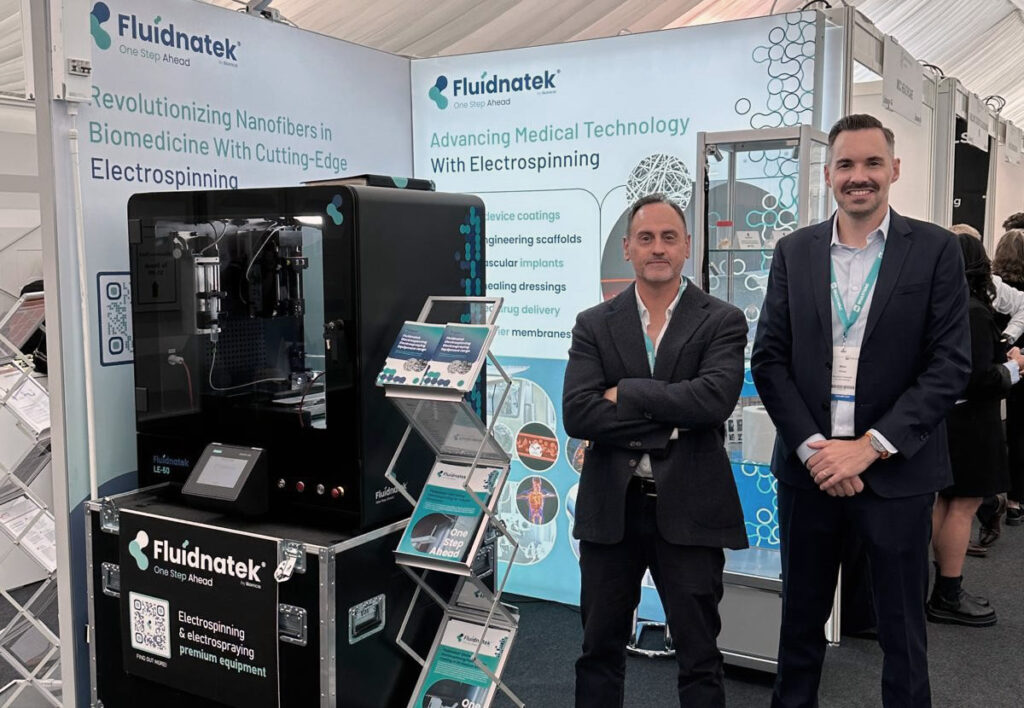
Fluidnatek made a significant impact at Medical Technology Ireland 2025, held September 24–25 at the Galway Racecourse, where we proudly unveiled our groundbreaking LE-50 Gen2 electrospinning and electrospraying platform. This cutting-edge system represents the future of nanofiber and nanoparticle research in biomedical applications.

Live Innovation in Action

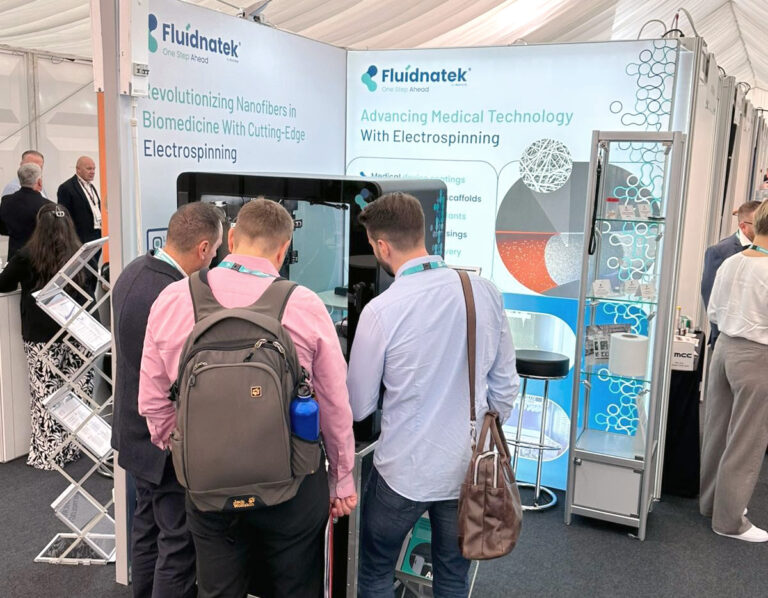
Our exhibition stand became a hub of scientific discovery as attendees witnessed live demonstrations of the LE-50 Gen2‘s remarkable capabilities. This state-of-the-art benchtop system revolutionizes laboratory research by seamlessly integrating both needle-based and needleless technologies within a single, versatile unit.

Key breakthrough features include:

  • Dual-solution processing capabilities
  • Independent high-voltage control systems
  • Automated emitter motion ensuring exceptional homogeneity
  • Unmatched precision for multi-material scaffold development

These advanced functionalities position the LE-50 Gen2 as the ideal solution for pioneering applications in tissue engineering, accelerated wound healing, precision drug delivery systems, and next-generation medical device coatings.

Expert Representation

Fluidnatek’s presence was expertly represented by our specialized team:

  • Enrique Navarro, Sales & Marketing Manager
  • Milan Proks, Key Account Manager

Transforming Medical Science

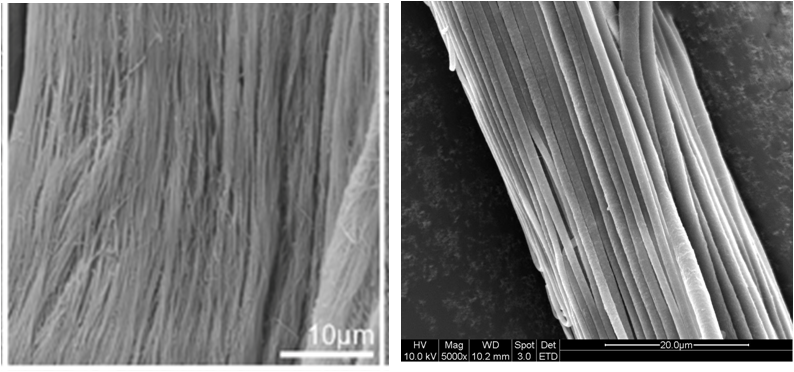
Electrospinning technology is revolutionizing biomedical research by enabling the creation of nanofiber-based scaffolds that precisely replicate the natural extracellular matrix. This biomimetic approach significantly enhances cell growth and accelerates tissue regeneration processes. Additionally, our electrospun materials deliver controlled, targeted release of therapeutic compounds, opening new frontiers in personalized medicine.

The LE-50 Gen2’s exceptional precision combined with its scalability makes it an indispensable tool for researchers and companies driving the next wave of medical technology breakthroughs.

Looking Forward

We extend our sincere gratitude to all the innovators, researchers, and industry leaders who visited our stand and engaged in meaningful discussions about how Fluidnatek’s advanced solutions can accelerate biomedical innovation. These valuable conversations fuel our commitment to pushing the boundaries of what’s possible in medical technology.

For more information about the LE-50 Gen2 and how it can transform your biomedical research, contact our team today.

2025 MTI

Live demonstrations of the LE50 Gen2.

Engaging with the Biomedical Community at FBPS 2025 in Porto

FBPS Porto

Showcasing innovation in electrospinning and biomedical polymers

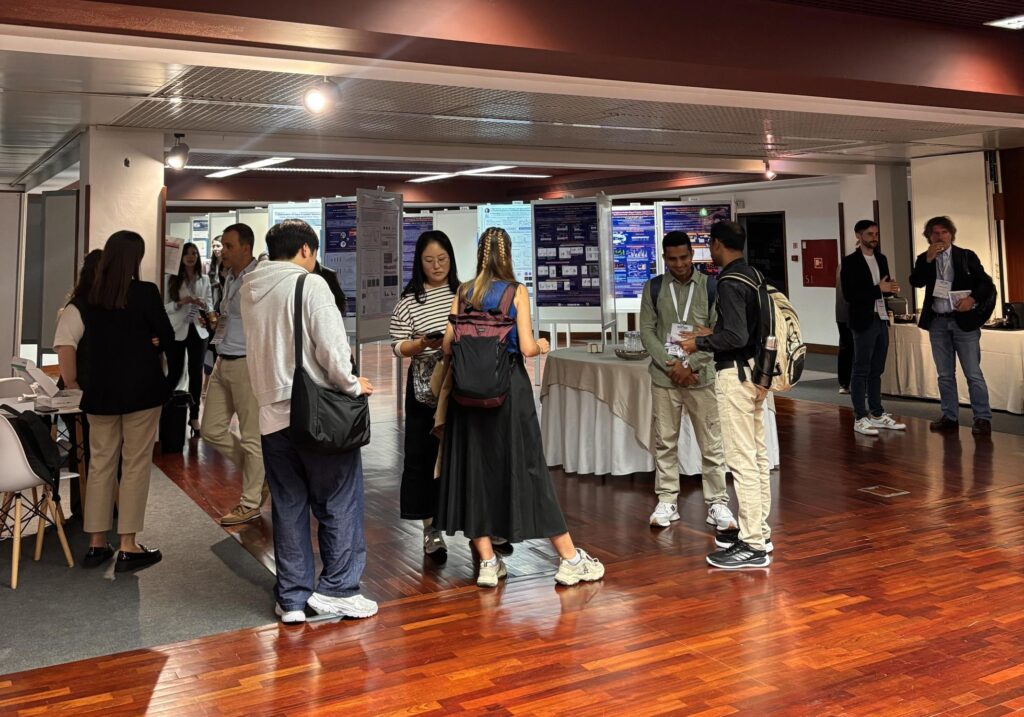
Fluidnatek successfully participated in the FBPS 2025 – Biomedical Polymers & Electrospinning Symposium, recently held in Porto. This international symposium provided a unique opportunity to present our latest innovations in electrospinning technology, nanofibers for biomedical applications, and advanced polymers, while strengthening collaboration with the global scientific community.

Event highlights

Innovative solutions on display

We showcased our latest developments in nanofiber electrospinning, nanotechnology, and biomedical applications, attracting strong interest from researchers and industry professionals.

Knowledge exchange

Our team engaged with international experts, generating enriching discussions and potential collaborations for future projects in biomaterials and nanofibers.

Excellent reception at our booth

Many visitors approached our booth to learn more about our technology, explore applications, and discuss opportunities for scientific and industrial collaboration.

Looking ahead

We would like to thank the symposium organizers for such an inspiring edition, as well as all visitors who shared their ideas and enthusiasm with us.

Events like FBPS 2025 confirm that we are on the right path: continuing to innovate in electrospinning, strengthen ties with the scientific community, and develop solutions with a real impact in biomedical applications.

Discover more about our electrospinning technologies and how we apply nanofibers and advanced polymers in biomedicine.

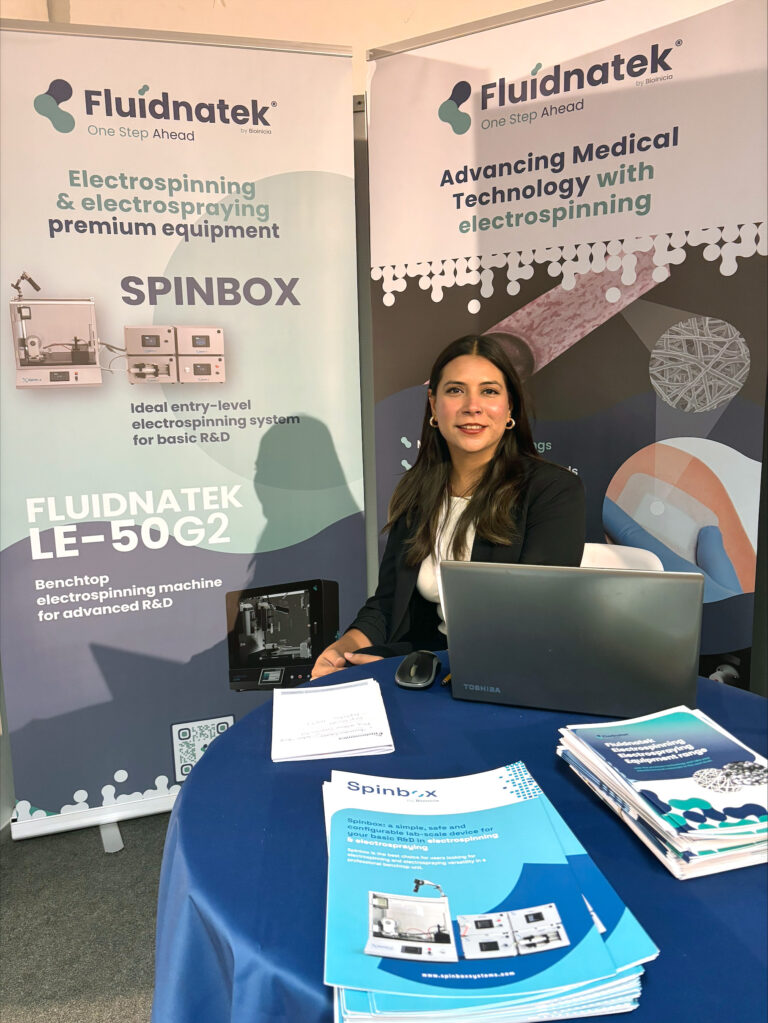
FBPS25_Becky

Becky Tunio, at FBPS 2025 in Porto.

Electrospun Bioresorbable Tubular Scaffolds for Advanced Medical Devices

electrospun bioresorbable tubular scaffolds

Introduction: The Need for Biofunctional Medical Devices

Electrospinning has emerged as a transformative technology in biomedical engineering, enabling the fabrication of nanofibrous materials that closely mimic the hierarchical structure and functionality of the extracellular matrix (ECM) found in native tissues. This biomimetic capability is particularly valuable for developing next-generation medical devices including vascular grafts, stent coatings, bioresorbable stents, nerve conduits, and electrospun bioresorbable tubular scaffolds. These applications demand precise control over material architecture, mechanical properties, biocompatibility, and degradation kinetics to achieve optimal functional performance.

The growing demand for minimally invasive, patient-specific interventions has accelerated interest in electrospun tubular constructs that can be fully resorbed by the body after fulfilling their therapeutic function. This application note explores the current state of electrospinning technology for producing electrospun bioresorbable tubular scaffolds, highlights key applications in medical device development, and discusses emerging trends in this rapidly evolving field.


Electrospinning Technology for Bioresorbable Tubular Scaffold Production

Process Fundamentals

Electrospinning for tubular scaffold fabrication involves applying a high voltage (10-30 kV) to a polymer solution or melt, creating an electrostatic force that overcomes surface tension to form a jet. This jet undergoes whipping and stretching as the solvent evaporates, resulting in nanofibers that collect on a opposite voltage rotating mandrel to form tubular structures. The process allows precise control over:

  • Fiber diameter (typically 100-500 nm)
  • Fiber orientation (random or aligned)
  • Porosity (60-90%)
  • Wall thickness (50 μm to several mm)
  • Mechanical properties (tensile strength, compliance, and elasticity)
  • Surface chemistry and topography

Equipment Configurations

Several commercial systems have been developed specifically for tubular scaffold production, including the Fluidnatek LE-100 Bio Tubing platform. These advanced electrospinning systems typically feature:

  • Multiple collector options: Rotating mandrels with variable diameters (0.5-10 mm) and rotation speeds (50-2000 rpm) for seamless tubular scaffold fabrication
  • In-line monitoring: Real-time thickness measurement and fiber morphology analysis for stringent quality control
  • Environmental control: Precision regulation of temperature (18-45°C) and humidity (10-80% RH) to ensure reproducibility
  • Clean processing environments: ISO 5/Class 100 compatible chambers for aseptic, contamination-free processing
  • Automation capabilities: Programmable deposition patterns and process parameters for complex architectures
  • Data management: Industry 4.0 integration for process traceability and validation

Materials for Electrospun Bioresorbable Scaffolds

The selection of appropriate polymers is critical for successful bioresorbable scaffold development. Commonly used materials include:

Polymer

Degradation Time

Key Properties

Common Applications

Poly(lactic acid) (PLA)

12-24 months

High strength, moderate hydrophobicity

Vascular grafts, bone scaffolds

Poly(glycolic acid) (PGA)

2-4 months

Rapid degradation, good cell adhesion

Nerve guides, temporary stents

Poly(lactic-co-glycolic acid) (PLGA)

1-12 months (tunable)

Controllable degradation rate

Drug delivery, soft tissue engineering

Polycaprolactone (PCL)

24-36 months

Excellent elasticity, slow degradation

Long-term vascular applications

Polyurethanes (PU)

Variable

Superior mechanical properties

Heart valves, vascular devices

Natural polymers (collagen, silk, chitosan)

Variable

Enhanced bioactivity

Tissue engineering, wound healing

Multi-material approaches using polymer blends or core-shell configurations enable tailored degradation profiles and mechanical properties specific to each application.

Electrospun Scaffolds for Medical Devices and Tissue Engineering

Electrospun bioresorbable tubular scaffolds are advancing several areas in medical device development:

Electrospun Vascular Grafts

Electrospun vascular grafts represent a promising alternative to autologous vessels for bypass procedures and vascular repair. Their advantages include:

  • Tunable compliance: Matching mechanical properties with native vessels reduces hemodynamic disturbances and intimal hyperplasia
  • Controlled porosity: Optimized pore size (typically 10-30 μm) facilitates cell infiltration while maintaining barrier function
  • Drug delivery capabilities: Incorporation of anticoagulants, anti-inflammatories, or growth factors enhances performance
  • Degradation synchronized with tissue regeneration: Scaffold provides initial support and gradually transfers load to newly formed tissue

Clinical studies have demonstrated promising results for small-diameter (<6 mm) vascular grafts, with ongoing trials for peripheral and coronary applications.

Stent Coatings and Fully Bioresorbable Stents

Electrospun polymeric coatings for conventional metal stents (including nitinol-based stents) as well as fully bioresorbable stent platforms offer several advantages:

  • Controlled drug elution: Precise release kinetics for antiproliferative agents
  • Reduced foreign body response: Gradual dissolution minimizes chronic inflammation
  • Preservation of vessel geometry: After resorption, native vessel mechanics are restored
  • Facilitation of repeat interventions: Absence of permanent implants simplifies future procedures
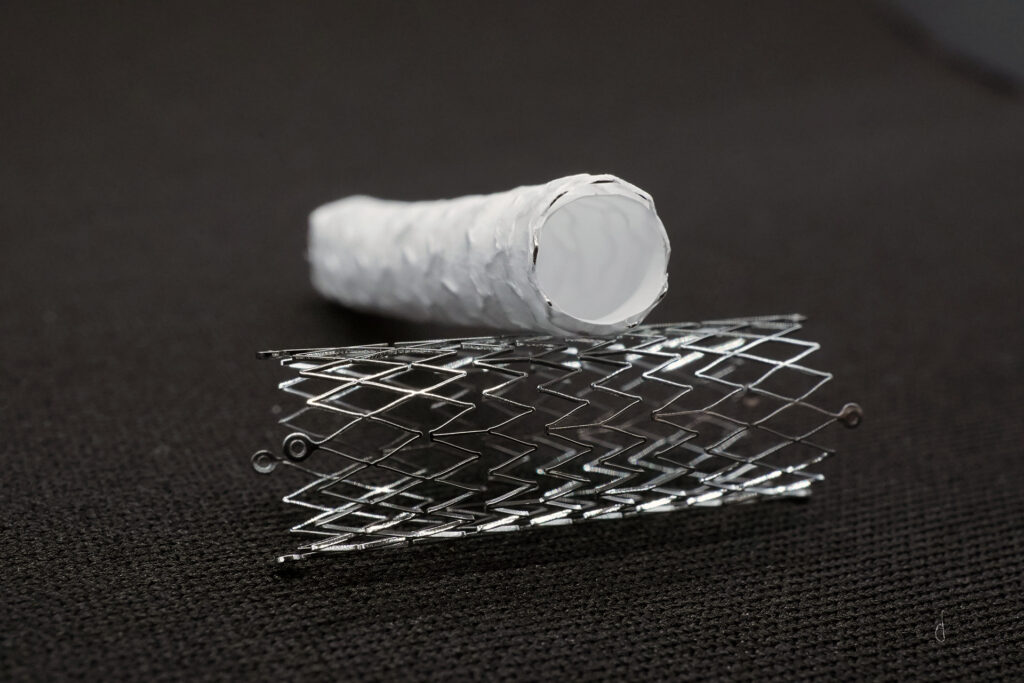
  • Enhanced compatibility with nitinol stents: Electrospun coatings can mitigate nickel ion release while maintaining the mechanical advantages of nitinol.

Recent innovations include dual-layer electrospun stents with different drug release profiles and mechanical properties in each layer[8].

Nerve Conduits and Neural Tissue Engineering

Tubular electrospun conduits support nerve regeneration following injury by:

  • Directing axonal growth: Aligned nanofibers guide regenerating neurons
  • Preventing scar tissue infiltration: Semipermeable walls block fibroblast migration
  • Supporting Schwann cell migration: Optimized architecture promotes cellular colonization
  • Delivering neurotrophic factors: Sustained release of growth factors enhances nerve regeneration

Electrospun nerve guides have shown promising results in peripheral nerve defects up to 30 mm in preclinical models.

Hybrid Metal-Polymer Scaffolds

An important advancement in electrospun scaffold technology is the development of hybrid constructs combining metallic frameworks with electrospun polymer coatings. Nitinol (nickel-titanium alloy) is particularly valuable in these applications due to its unique properties:

  • Shape memory effect: Allows for minimally invasive deployment and self-expansion
  • Superelasticity: Provides mechanical support while maintaining flexibility
  • Biocompatibility: Well-established safety profile in vascular applications
  • Fatigue resistance: Withstands physiological cyclic loading

Electrospun coatings on nitinol structures can:

  • Deliver therapeutic agents locally
  • Modulate the tissue-material interface
  • Provide a template for tissue ingrowth
  • Create a barrier to control nitinol ion release

These hybrid constructs are particularly valuable for stents, occlusion devices, and embolic protection systems where the mechanical properties of nitinol complement the biological functionality of electrospun polymers[10].

Other Emerging Applications

Additional applications leveraging electrospun bioresorbable tubular scaffolds include:

  • Tracheal and bronchial replacement: Reinforced electrospun constructs with radial rigidity and longitudinal flexibility
  • Gastrointestinal stents: Degradable stents for temporary stricture management
  • Urethral reconstruction: Tailored scaffolds supporting regeneration of functional urethral tissue
  • Drug delivery conduits: Tubular implants for localized, sustained therapeutic delivery

Manufacturing Considerations

Quality Control Parameters

Consistent performance of electrospun tubular scaffolds depends on rigorous quality control focused on:

  • Structural uniformity: Even fiber distribution and orientation throughout the scaffold
  • Mechanical consistency: Batch-to-batch reproducibility of tensile strength, burst pressure, and compliance
  • Chemical purity: Residual solvent levels below regulatory thresholds (<50 ppm for common solvents)
  • Sterility assurance: Validated sterilization processes compatible with delicate nanostructures

Scale-Up Strategies

Transitioning from laboratory to commercial production requires addressing several challenges:

  • Throughput enhancement: Multinozzle or needleless systems to increase production volume
  • Process validation: Design of Experiments (DoE) approaches to establish robust process parameters
  • Inline monitoring: Real-time quality verification systems for continuous production
  • Regulatory compliance: Documentation systems meeting cGMP, ISO 13485, and FDA requirements
  • Sterilization compatibility: Process development for terminal sterilization methods preserving scaffold integrity

Regulatory Considerations

Electrospun bioresorbable scaffolds face specific regulatory challenges:

  • Novel material combinations: May require additional biocompatibility and degradation testing
  • Long-term degradation products: Assessment of tissue response to breakdown components
  • Process validation: Critical process parameters for electrospinning must be thoroughly documented
  • Mechanical testing standards: Often requires development of custom test methods specific to the intended application
  • Shelf-life determination: Stability of both mechanical properties and biological activity must be demonstrated

Regulatory pathways differ by region and specific application, with combination products (incorporating drugs or biologics) facing more complex requirements.

Clinical Case Studies

Case Study 1: Small-Diameter Vascular Grafts

A recent clinical trial evaluated PCL/PLA electrospun grafts (4 mm diameter) for hemodialysis access in 12 patients. Key findings included:

  • 83% primary patency at 6 months
  • No aneurysm formation or catastrophic mechanical failure
  • Progressive endothelialization observed via ultrasound
  • Degradation profile matching tissue ingrowth rates

Case Study 2: Drug-Eluting Bioresorbable Stent Coating

A PLGA electrospun coating on a metal stent platform demonstrated:

  • Reduced restenosis rates compared to bare metal stents (8% vs. 22%)
  • Complete resorption by 9 months post-implantation
  • Reduced dual antiplatelet therapy requirements
  • Improved vessel healing and reduced inflammation

Future Trends and Challenges

Several emerging approaches are poised to advance electrospun tubular scaffold technology:

  • Smart responsive scaffolds: Integration of stimuli-responsive materials that adapt to physiological changes
  • 4D printing approaches: Electrospun structures programmed to change shape or properties over time
  • Hybrid manufacturing: Combining electrospinning with other fabrication techniques (3D printing, textile processes)
  • Cell electrospinning: Direct incorporation of living cells during the fabrication process
  • Personalized medicine applications: Patient-specific scaffold designs based on medical imaging data

Challenges requiring further research include:

  • Mechanical property optimization: Matching complex native tissue mechanics more precisely
  • Control of degradation heterogeneity: Ensuring uniform resorption throughout the scaffold volume
  • Scale-up limitations: Addressing throughput constraints for high-volume applications
  • Standardization: Developing consensus testing methods specific to electrospun materials


Conclusion

Electrospun bioresorbable tubular scaffolds represent a significant advancement in medical device technology, offering unprecedented control over scaffold architecture, material properties, and biological response. As manufacturing capabilities continue to mature and clinical evidence accumulates, these materials are positioned to address critical unmet needs in vascular, neural, and other tubular tissue applications. Continued innovation in materials, processing techniques, and hybrid approaches will further expand the potential of this versatile technology platform.

Designed for Excellence in Tubular Scaffold Manufacturing
The Fluidnatek LE-100 BioTubing system is specially engineered to meet the stringent requirements of tubular scaffold production. Its advanced rotating mandrel system, precision-controlled environment, and high-resolution deposition capabilities enable the fabrication of seamless, uniform, and reproducible tubular structures. With full GMP-compliant architecture and options for cleanroom integration, the LE-100 BioTubing is the ideal platform for scaling up from research to clinical manufacturing of bioresorbable vascular grafts, nerve conduits, and other implantable devices.

Let’s Build the Future of Medical Devices
Are you developing resorbable scaffolds for advanced biomedical applications

**Fluidnatek’s electrospinning platforms** deliver the precision, reproducibility, and scalability needed to design **customised tubular nanostructures** for next-generation medical devices. 

👉 Contact our team (https://fluidnatek.com/contact) to discuss your biomedical project.

References

  1. Zhang Y, et al. Recent advances in electrospinning for biomedical applications. Biomater Sci. 2022;10(2):316-339. https://doi.org/10.1039/D1BM01518C
  2. Sensini A, et al. Hierarchical electrospun tendon-ligament bioinspired scaffolds. Biofabrication. 2023;15(1):015004. https://doi.org/10.1088/1758-5090/aca8c6
  3. Keirouz A, et al. Nanofiber-based wound dressings and their applications. Mater Sci Eng C. 2023;113:111018. https://doi.org/10.1016/j.msec.2020.111018
  4. Khorshidi S, et al. A review of key challenges of electrospun scaffolds for tissue-engineering applications. J Tissue Eng Regen Med. 2022;16(3):195-215. https://doi.org/10.1002/term.3267
  5. Gao S, et al. Core-shell nanofibers: Nano channel and capsule by coaxial electrospinning. Adv Mater Interfaces. 2023;10(7):2101770. https://doi.org/10.1002/admi.202101770
  6. Nagarajan S, et al. Design strategies for controlling degradation rate and mechanical properties in electrospun vascular scaffolds. ACS Appl Mater Interfaces. 2022;14(41):45829-45843. https://doi.org/10.1021/acsami.2c09274
  7. Fukunishi T, et al. Tissue-engineered small diameter arterial vascular grafts from cell-free nanofiber PCL/chitosan scaffolds in a sheep model. PLoS One. 2022;17(3):e0254315. https://doi.org/10.1371/journal.pone.0254315
  8. Qiu X, et al. Controlled dual-drug release from electrospun nanofibers as bioresorbable local drug delivery systems. J Control Release. 2023;353:607-618. https://doi.org/10.1016/j.jconrel.2022.12.039
  9. Wang S, et al. Aligned electrospun polycaprolactone/silk fibroin core-shell nanofibers for nerve tissue engineering. J Biomed Mater Res A. 2023;111(5):814-826. https://doi.org/10.1002/jbm.a.37487
  10. Torres-Giner S, et al. Industrial applications of electrospinning: Drug delivery, tissue engineering, and regulatory considerations. Int J Mol Sci. 2023;24(4):3676. https://doi.org/10.3390/ijms24043676
  11. Tsetsekou M, et al. Nitinol-polymer composites for medical applications: A review. J Mater Sci. 2023;58(10):4692-4721. https://doi.org/10.1007/s10853-022-08128-1
  12. Kuznetsov K, et al. Surface modification of nitinol stents with electrospun bioresorbable polymers: Approaches and clinical outcomes. J Biomater Appl. 2022;37(3):481-496. https://doi.org/10.1177/08853282221131975

Fluidnatek in Medicon Valley Alliance

MediconValley_1

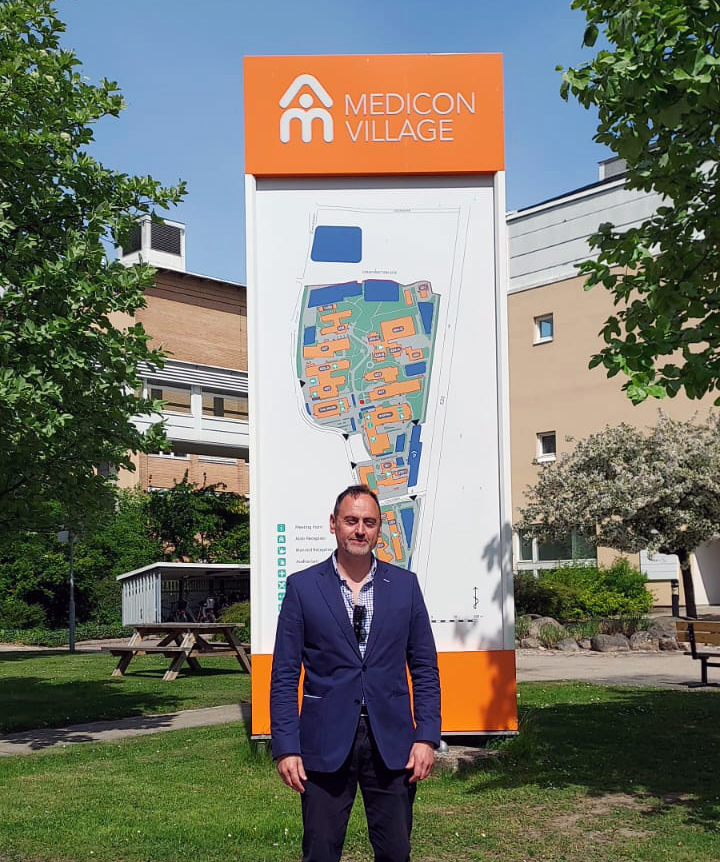
We’re thrilled to share that Fluidnatek is on a commercial mission in Medicon Valley Alliance, one of Europe’s most dynamic medical clusters. 🌍 Our presence at the #MVAAnnualSummit2025 is a key step in deepening our engagement with the science community, fostering new collaborations, and exploring business opportunities in this vibrant ecosystem.

Representing us at the summit is our Sales and Marketing Manager, Enrique Navarro Alonso, who is actively connecting with industry leaders and showcasing Fluidnatek’s latest innovations. 🤝

If you’re at the event, be sure to meet us and discover how we can work together to shape the future of life sciences.

Proud to be part of this international hub for pharma, biotech, and medtech advancement!

MediconValley_1

Our Sales and Marketing Manager, Enrique Navarro.

INTERESTED? CONTACT OUR SPECIALISTS!