Author Archives: Vicente Zaragozá

Nanofiber Water Filtration: Electrospun Technologies for Advanced Purification

Nanofiber Water Filtration

Introduction: The Global Need for Water Filtration

Access to safe drinking water remains one of the greatest challenges of the 21st century. According to the WHO, nearly 2 billion people lack safely managed water sources, while industrial pollution, agricultural runoff, and microplastic contamination increasingly affect developed regions as well.

Traditional treatment plants are under pressure to deliver scalable, efficient, and affordable purification systems, yet many struggle to adapt to emerging contaminants such as PFAS, pharmaceuticals, and nano-sized pollutants. The world urgently needs innovative materials and designs that push beyond conventional methods.

This is where nanofiber water filtration, particularly membranes created via electrospinning, offers a technological breakthrough.

The Science Behind Water Filtration Technologies

Water filtration separates unwanted contaminants through physical, chemical, or biological mechanisms. Common systems include:

  • Granular media filtration – effective for sediments, less so for pathogens.
  • Activated carbon adsorption – efficient at removing organic compounds and chlorine, but with limited lifespan.
  • Reverse osmosis (RO) – excellent at salt and metal removal, but energy-intensive and costly.
  • Membrane bioreactors – combine biological treatment with filtration, but require complex infrastructure.

While these technologies are established, they face trade-offs between cost, energy use, scalability, and contaminant selectivity. With rising global demand, there is a pressing need for next-generation filtration solutions.

Key Contaminants in Water and Filtration Challenges

Modern water systems must combat a diverse mix of pollutants:

  • Heavy metals (lead, arsenic, chromium, mercury) – toxic even at trace concentrations.
  • Pathogens – bacteria and viruses causing cholera, dysentery, or hepatitis outbreaks.
  • Organic pollutants – dyes, pesticides, endocrine disruptors, and pharmaceutical residues.
  • Microplastics and nanoplastics – increasingly detected in both surface and treated water.
  • Emerging contaminants (PFAS) – highly persistent and resistant to conventional treatment.

Filtration challenges include:

  • Achieving high removal efficiency for multiple contaminants simultaneously.
  • Preventing membrane fouling and ensuring long-term stability.
  • Designing cost-effective solutions that can scale from point-of-use devices to municipal treatment plants.
Advanced Purification

Wastewater treatment plant.

Why Nanofibers Offer a Breakthrough in Filtration

Advantages of Nanofiber Water Filtration

  • High surface area-to-volume ratio → enhanced adsorption and reaction sites.
  • Tunable pore size distribution → selective removal of nanoscale contaminants.
  • Functionalizable surfaces → integration of antimicrobial, catalytic, or metal-absorbing additives.
  • Low resistance and high permeability → high water flux with reduced pressure drop, lowering energy costs.

Unlike traditional membranes, nanofiber filter media combine advanced selectivity, high throughput, and scalable manufacturing. They are promising for applications ranging from municipal treatment plants to portable filters in resource-limited settings.

Nanofiber Water Filtration vs Traditional Methods

When compared to established systems such as reverse osmosis or activated carbon:

  • Reverse osmosis: High removal capacity, but requires expensive infrastructure and high energy. Nanofiber membranes can achieve comparable selectivity with lower operating pressures.
  • Activated carbon: Strong organic contaminant removal, but limited lifetime. Nanofibers can be functionalized for selective heavy metal and pathogen capture.
  • Ceramic and polymeric membranes: Durable, but prone to fouling. Electrospun nanofiber membranes show enhanced fouling resistance due to tailored surface chemistries.

This makes nanofiber water filtration a highly competitive and sustainable alternative.


Electrospun Membranes: Performance in Modern Water Purification

Filtration of Heavy Metals, Bacteria, and Microplastics

Electrospun membranes excel in tackling today’s toughest contaminants:

  • Heavy metals: Functionalized nanofibers capture lead, arsenic, and mercury with higher efficiency than carbon or ceramic filters.
  • Pathogens: Polyethersulfone-based nanofiber membranes achieve >99% bacterial removal through size exclusion and electrostatic interactions.
  • Microplastics & organics: Nanofibers physically trap particles down to the nanoscale and adsorb pharmaceuticals, dyes, and persistent organics.

Electrospun Filter Media for Membrane Filtration

Recent innovations include:

  • Composite membranes with graphene for solvent resistance and strength.
  • Asymmetric multilayer structures enabling desalination and nanofiltration.
  • Biodegradable nanofiber membranes for sustainable oil-water separation.

Peer-reviewed studies in journals such as Water Research and Journal of Membrane Science confirm these advances, highlighting electrospun nanofibers as a platform technology for modern water purification.

From Lab to Application: Fluidnatek’s Role in Filtration Development

From Lab-Scale Research to Scalable Water Filtration Solutions

Fluidnatek’s electrospinning platforms enable researchers and industries to bridge the gap between R&D and full-scale deployment. Their systems provide:

  • Precise control of fiber diameter, porosity, and layering.
  • Compatibility with diverse polymers and additives, including biodegradable and antimicrobial agents.
  • Scalable, automated production, suitable for both pilot lines and industrial roll-outs.

By supporting research teams worldwide, Fluidnatek accelerates the translation of laboratory findings into real-world water purification technologies.

👉 Internal link: Learn more about Fluidnatek environmental applications.

Frequently Asked Questions (FAQ)

What contaminants can nanofiber water filters remove?

Nanofiber membranes can remove heavy metals, bacteria, viruses, microplastics, pharmaceuticals, and PFAS, depending on surface functionalization.

Are electrospun membranes scalable for municipal treatment?

Yes. Electrospinning enables roll-to-roll manufacturing, making nanofiber membranes adaptable for large-scale municipal water treatment plants.

How do nanofiber filters compare with reverse osmosis?

Nanofiber filters require lower operating pressures and energy consumption than RO, while offering comparable contaminant removal. They can also be integrated with RO to extend membrane lifespan.

Conclusion

The era of advanced water filtration is being shaped by nanofiber technologies—especially those enabled by electrospun membranes. These next-generation solutions address urgent global challenges by achieving highly selective, high-throughput, and scalable purification of even the most complex water sources. As environmental standards rise and demand for safe water intensifies, nanofiber water filtration systems provide a path to a cleaner, healthier world.

Interested in developing advanced water filtration systems? Fluidnatek’s electrospinning platforms enable custom nanofiber membranes for scalable, high-performance purification technologies.

References

  1. Cheng X, Li T, Yan L, Jiao Y, Zhang Y, Wang K, Cheng Z, Ma J, Shao L. Biodegradable electrospinning superhydrophilic nanofiber membranes for ultrafast oil-water separation. Science Advances. 2023; 9: adh8195.
  2. Homaeigohar SS, Buhr K, Ebert K. Polyethersulfone electrospun nanofibrous composite membrane for liquid filtration. Journal of Membrane Science. 2010; 365: 68.
  3. Kim AA, Poudel MB. Spiral Structured Cellulose Acetate Membrane Fabricated by One-Step Electrospinning Technique with High Water Permeation Flux. Journal of Composites Science. 2024; 8(4):127.
  4. Liu Z, Wang Y, Guo F. An Investigation into Hydraulic Permeability of Fibrous Membranes with Nonwoven Random and Quasi-Parallel Structures. Membranes. 2022; 12(1):54.
  5. Nasreen S A A N, Sundarrajan S, Nizar S A S, Balamurugan R, Ramakrishna S. Advancement in Electrospun Nanofibrous Membranes Modification and Their Application in Water Treatment. Membranes. 2013; 3: 266.
  1. Liang Shen et al., Highly porous nanofiber-supported monolayer graphene membranes for ultrafast organic solvent nanofiltration. Sci. Adv. 7, eabg6263 (2021).
  1. Tijing LD, Choi JS, Lee S, Kim SH, Shon HK. Recent progress of membrane distillation using electrospun nanofibrous membrane. Journal of Membrane Science. 2014; 453: 435.
  2. ElectrospinTech. Introduction to Water Filtration. 2019.

For further reading, see top articles in DesalinationJournal of Membrane Science, and ACS Applied Materials & Interfaces.
 

Fluidnatek Unveils Revolutionary LE-50 Gen2: Next-Gen Biomedical Innovation Takes Center Stage at Medical Technology Ireland 2025

2025 MTI

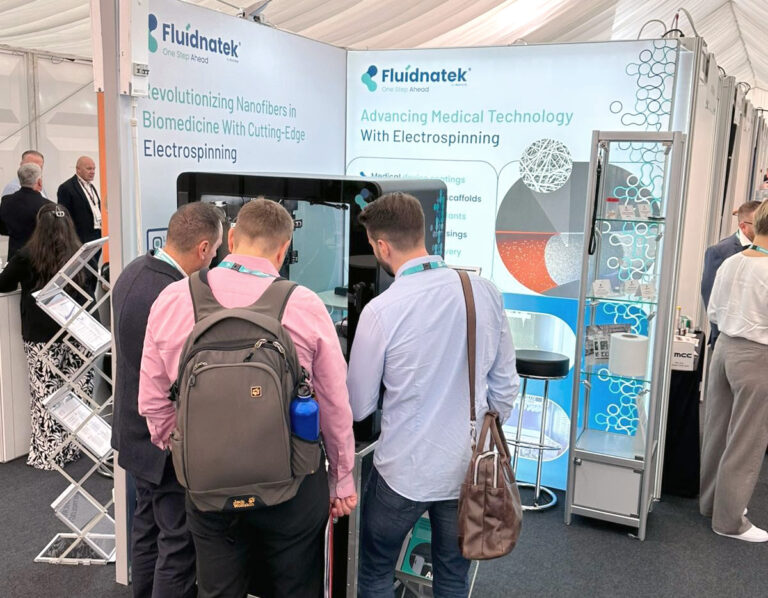
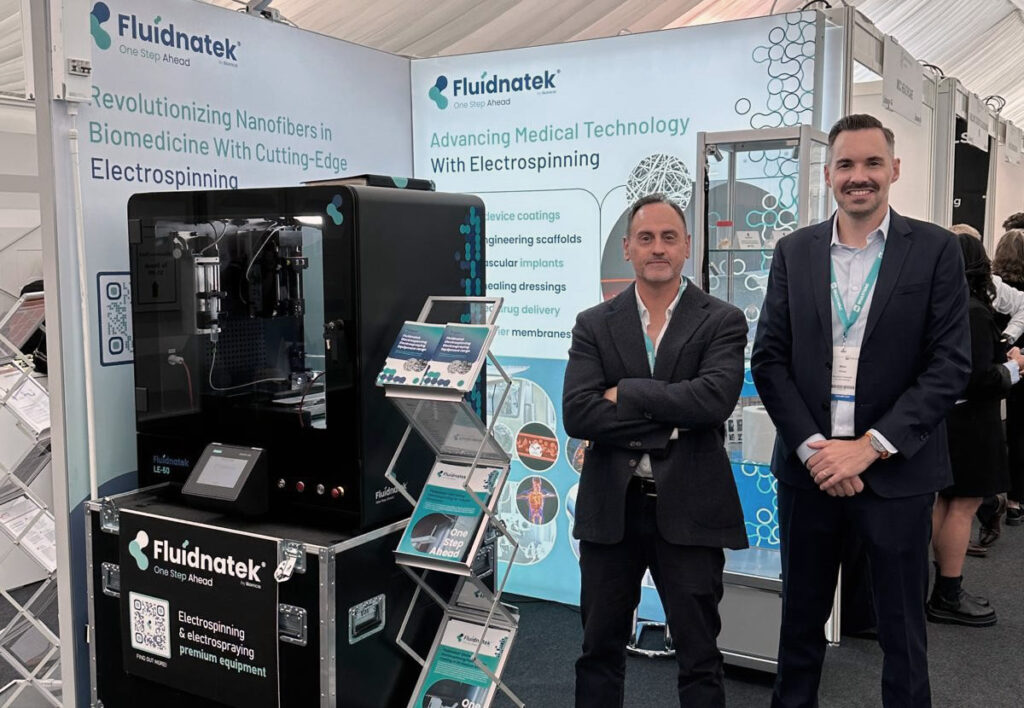
Fluidnatek made a significant impact at Medical Technology Ireland 2025, held September 24–25 at the Galway Racecourse, where we proudly unveiled our groundbreaking LE-50 Gen2 electrospinning and electrospraying platform. This cutting-edge system represents the future of nanofiber and nanoparticle research in biomedical applications.

Live Innovation in Action

Our exhibition stand became a hub of scientific discovery as attendees witnessed live demonstrations of the LE-50 Gen2‘s remarkable capabilities. This state-of-the-art benchtop system revolutionizes laboratory research by seamlessly integrating both needle-based and needleless technologies within a single, versatile unit.

Key breakthrough features include:

  • Dual-solution processing capabilities
  • Independent high-voltage control systems
  • Automated emitter motion ensuring exceptional homogeneity
  • Unmatched precision for multi-material scaffold development

These advanced functionalities position the LE-50 Gen2 as the ideal solution for pioneering applications in tissue engineering, accelerated wound healing, precision drug delivery systems, and next-generation medical device coatings.

Expert Representation

Fluidnatek’s presence was expertly represented by our specialized team:

  • Enrique Navarro, Sales & Marketing Manager
  • Milan Proks, Key Account Manager

Transforming Medical Science

Electrospinning technology is revolutionizing biomedical research by enabling the creation of nanofiber-based scaffolds that precisely replicate the natural extracellular matrix. This biomimetic approach significantly enhances cell growth and accelerates tissue regeneration processes. Additionally, our electrospun materials deliver controlled, targeted release of therapeutic compounds, opening new frontiers in personalized medicine.

The LE-50 Gen2’s exceptional precision combined with its scalability makes it an indispensable tool for researchers and companies driving the next wave of medical technology breakthroughs.

Looking Forward

We extend our sincere gratitude to all the innovators, researchers, and industry leaders who visited our stand and engaged in meaningful discussions about how Fluidnatek’s advanced solutions can accelerate biomedical innovation. These valuable conversations fuel our commitment to pushing the boundaries of what’s possible in medical technology.

For more information about the LE-50 Gen2 and how it can transform your biomedical research, contact our team today.

2025 MTI

Live demonstrations of the LE50 Gen2.

Engaging with the Biomedical Community at FBPS 2025 in Porto

FBPS Porto

Showcasing innovation in electrospinning and biomedical polymers

Fluidnatek successfully participated in the FBPS 2025 – Biomedical Polymers & Electrospinning Symposium, recently held in Porto. This international symposium provided a unique opportunity to present our latest innovations in electrospinning technology, nanofibers for biomedical applications, and advanced polymers, while strengthening collaboration with the global scientific community.

Event highlights

Innovative solutions on display

We showcased our latest developments in nanofiber electrospinning, nanotechnology, and biomedical applications, attracting strong interest from researchers and industry professionals.

Knowledge exchange

Our team engaged with international experts, generating enriching discussions and potential collaborations for future projects in biomaterials and nanofibers.

Excellent reception at our booth

Many visitors approached our booth to learn more about our technology, explore applications, and discuss opportunities for scientific and industrial collaboration.

Looking ahead

We would like to thank the symposium organizers for such an inspiring edition, as well as all visitors who shared their ideas and enthusiasm with us.

Events like FBPS 2025 confirm that we are on the right path: continuing to innovate in electrospinning, strengthen ties with the scientific community, and develop solutions with a real impact in biomedical applications.

Discover more about our electrospinning technologies and how we apply nanofibers and advanced polymers in biomedicine.

FBPS25_Becky

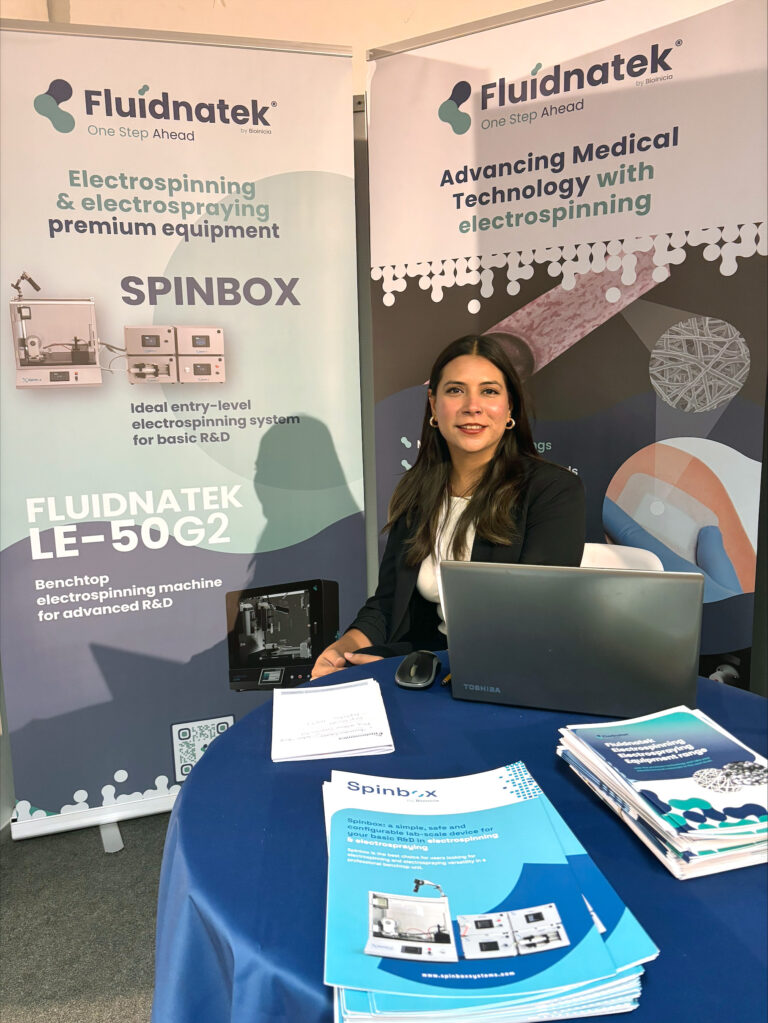
Becky Tunio, at FBPS 2025 in Porto.

Functionalized Fabrics Using Electrospun Fibers: Revolutionizing Smart Textiles

functionalized fabrics using electrospun fibers

Introduction: The Rise of Functionalized Fabrics

The textile industry is undergoing a major transformation. Beyond comfort and aesthetics, fabrics are now being designed to provide advanced technical properties that meet the demands of modern industries. These functionalized fabrics are widely adopted in healthcare, sports, protective apparel, and electronics, where safety, adaptability, and performance are critical.

A central enabler of this revolution is the use of electrospun fibers. Electrospinning technology allows the fabrication of nanofibers with exceptional surface to volume, tunable size and porosity , and the ability to incorporate functional agents. This makes it possible to develop functionalized fabrics using electrospun fibers that are antimicrobial, UV-protective, conductive, or even stimuli-responsive—paving the way for truly smart textiles.


What Are Functionalized Fabrics?

Functionalized fabrics are textiles engineered to provide value-added properties beyond traditional fibers. Key examples include:

  • Antimicrobial fabrics: Inhibit the growth of bacteria and fungi.
  • UV-protective textiles: Shielding users from harmful solar radiation.
  • Conductive textiles: Enabling electronic sensing and energy transfer.
  • Moisture management: Controlling absorption and evaporation.
  • Self-cleaning surfaces: Repelling dirt and liquids.

Functionalization strategies involve:

  • Direct incorporation of agents during fiber formation.
  • Nanofiber coatings through electrospun fiber deposition.
  • Embedding nanoparticles or biomolecules.
  • Designing advanced multi-layered architectures.

Explore more: https://journals.sagepub.com/home/trj

Why Use Electrospinning to Functionalize Fabrics?

Electrospinning produces ultrafine fibers—often at the nanoscale—by applying a high electric field to a polymer solution or melt. This process is ideal for fabric functionalization due to:

  • Precision: Control over fiber diameter, porosity, and alignment.
  • Versatility: Compatibility with diverse polymers and additives.
  • Scalability: From lab-scale to industrial production.
  • Integration: Direct electrospinning onto fabrics or free-standing nanofiber mats.

The unique nanostructured coatings obtained via electrospinning increase the interaction between functional agents and the surrounding environment, enhancing performance in filtration, sensing, and antimicrobial electrospun fabrics.

Electrospun Fibers for Advanced Textile Functionality

Antimicrobial and UV-Protective Fabric Coatings

Nanofibers functionalized with silver nanoparticles, zinc oxide, or titanium dioxide create antimicrobial fabrics that inhibit bacterial and fungal growth. These coatings are vital in healthcare, sportswear, and outdoor gear.

Similarly, UV-protective nanofiber coatings incorporate UV-absorbing compounds that extend fabric durability and safeguard users. Protective clothing and outdoor textiles are key beneficiaries.

Smart Textiles: Sensors and Conductivity Through Nanofibers

Electrospun nanofibers incorporating conductive polymers (polypyrrole, polyaniline), graphene, or carbon nanotubes enable wearable smart textiles with sensing and energy capabilities. Applications include:

  • Physiological monitoring garments.
  • Environmental sensors.
  • Flexible circuits for wearable electronics.

Research on conductive nanofibers for wearable fabrics shows potential for energy storage and bio-batteries, opening new horizons for sustainable smart textiles.

Key Functionalities Achievable with Electrospun Fibers

Electrospun fibers enable a diverse array of functionalities in textiles, including:

  • Antimicrobial Electrospun Fabrics: By incorporating agents like silver or copper nanoparticles, electrospun fabrics can actively inhibit microbial growth, reducing the risk of infection and odor.
  • UV-Resistant Coatings: Nanofibers loaded with UV-absorbing materials protect both the fabric and the wearer from ultraviolet degradation1.
  • Conductive Nanofibers for Wearable Fabrics: The integration of conductive polymers or carbon-based nanomaterials allows textiles to transmit electrical signals, enabling applications in sensors, health monitoring, and flexible electronics.
  • Hydrophobic and Self-Cleaning Surfaces: The large surface area and tunable hydrophobicity” chemistry  of nanofibers make it possible to create fabrics that repel water and resist stains, ideal for outdoor and technical clothing.
  • Stimuli-Responsive Materials: Electrospun fibers can be engineered to respond to temperature, pH, or mechanical stress, enabling adaptive textiles for specialized applications.
Functionalized Fabrics electrospun fibers

Electrospun fibers enable a diverse array of functionalities in textiles.

Materials Used and Integration Strategies

A wide variety of polymers and functional additives can be electrospun to create advanced textile coatings:

  • Polymers: Common choices include polyvinyl alcohol (PVA), polycaprolactone (PCL), polylactic acid (PLA), polyurethane (PU), and cellulose derivatives. These materials are selected for their mechanical properties, biocompatibility, and ease of processability.
  • Functional Additives: Silver nanoparticles, titanium dioxide, graphene, carbon nanotubes, phase-change materials, and bioactive agents can be incorporated to impart specific functionalities.

Integration strategies include:

  • Direct electrospinning onto fabrics: This method allows for the seamless coating of textile substrates with functional nanofibers, ensuring strong adhesion and uniform coverage.
  • Laminating electrospun mats: Nanofiber mats can be produced separately and then laminated onto fabrics, offering flexibility in design and functionality.
  • Hybridization with traditional fibers: Combining electrospun nanofibers with conventional textile fibers creates composite materials with enhanced performance characteristics.

The ability to fine-tune the composition and structure of electrospun fibers enables the production of nanofiber coated fabrics with properties tailored to specific applications.

Applications in Industry

The versatility of electrospun functionalized fabrics is driving their adoption across a wide range of industries:

  • Healthcare: Electrospun fabrics are used in wound dressings, surgical gowns, and implantable scaffolds, where their antimicrobial properties and biocompatibility are critical. For example, electrospun matrices can be loaded with growth factors or drugs for controlled release in tissue engineering and wound healing.
  • Wearable Electronics: The development of flexible, conductive textiles is enabling new forms of wearable sensors, energy storage devices, and smart clothing that can monitor health or environmental conditions in real time.
  • Filtration: Electrospun nanofibers offer high efficiency in air and liquid filtration due to the small pore size and large surface area of the electrospun materials, making them ideal for use in masks, industrial filters, and water purification systems.
  • Protective Apparel: Functionalized fabrics with UV resistance, flame retardancy, and chemical protection are increasingly used in protective clothing for firefighters, military personnel, and industrial workers.
  • Automotive and Aerospace: Lightweight, multifunctional composites made with electrospun fibers are being adopted for interiors, insulation, and structural components, offering improved performance and reduced weight.


Prospective Analysis: Sustainability and Circular Economy in Functionalized Fabrics

The integration of electrospinning technology in the textile industry is not only revolutionizing fabric functionalities but is also emerging as a pivotal driver for advancing circular economy principles and sustainability across the sector. Looking ahead, it is essential to anticipate how these innovations will shape future industry scenarios and strategic priorities.

Reducing Waste and Valorizing Materials
Electrospinning enables the use of recycled polymers and biopolymers to produce functionalized nanofibers, making it possible to upcycle textile or plastic waste into high-value applications. This directly supports the circular economy goal of keeping materials in use for as long as possible and reduces reliance on virgin resources.

Eco-Design and Enhanced Durability
With the versatility of electrospinning, it is possible to engineer smart textiles with antimicrobial, self-cleaning, or UV-resistant properties, significantly extending product lifespan and reducing waste from frequent replacement. The ability to tailor functionalities also supports new circular business models such as rental, reuse, and remanufacturing.

Traceability and Transparency
Electrospinning facilitates the integration of smart labels and sensors directly into textiles, enabling advanced traceability solutions. This allows for real-time monitoring of a garment’s lifecycle, composition, and recyclability—addressing the growing demand for transparency and responsible sourcing in the textile value chain.

Challenges and Opportunities
While the benefits are clear, large-scale adoption of electrospinning for circularity faces technical and economic challenges, such as industrial scalability, integration into existing manufacturing processes, and efficient waste management. However, regulatory pressure, market demand, and cross-sector collaboration are expected to drive investment and innovation in these technologies, reinforcing their role in the transition to a more circular and sustainable textile industry.

Conclusion

Functionalized fabrics using electrospun fibers represent the future of technical textiles. Their adaptability, multifunctionality, and scalability position them as key enablers for industries ranging from healthcare to aerospace.

If your team is exploring smart textiles with electrospun nanofibers or needs to develop tailored electrospun fiber coatings for textiles, contact Fluidnatek to learn how our platforms support both research and industrial-scale production.


References

  1. ElectrospinningTech. (2015). Functionalized Fabrics using Electrospun fibers. Retrieved from http://electrospintech.com/funcfabrics.html
  2. Yang, X., Wang, J., Guo, H., Liu, L., Xu, W., & Duan, G. (2020). Structural design toward functional materials by electrospinning: A review. e-Polymers, 20(1), 682–712. https://doi.org/10.1515/epoly-2020-0068
  3. Huang, Z.-M., Zhang, Y. Z., Kotaki, M., & Ramakrishna, S. (2003). A review on polymer nanofibers by electrospinning and their applications in nanocomposites. Composites Science and Technology, 63(15), 2223–2253. https://doi.org/10.1016/S0266-3538(03)00178-7
  4. Yi, L., Wang, Y., Fang, Y., Zhang, M., Yao, J., Wang, L., & Marek, J. (2019). Development of core-sheath structured smart nanofibers by coaxial electrospinning for thermo-regulated textiles. RSC Advances, 9, 21844. https://doi.org/10.1039/C9RA03299J
  5. Greiner, A., & Wendorff, J. H. (2007). Electrospinning: A fascinating method for the preparation of ultrathin fibers. Angewandte Chemie International Edition, 46(30), 5670–5703. https://doi.org/10.1002/anie.200604646
  6. Weerasinghe, V. T., Dissanayake, D. G. K., Pereira, P. T. D., Tissera, N. D., Wijesena, R. N., & Wanasekara, N. D. (2020). All-organic, conductive and biodegradable yarns from core-shell nanofibers through electrospinning. RSC Advances, 10, 32875. https://doi.org/10.1039/D0RA05655A

Electrospun Bioresorbable Tubular Scaffolds for Advanced Medical Devices

electrospun bioresorbable tubular scaffolds

Introduction: The Need for Biofunctional Medical Devices

Electrospinning has emerged as a transformative technology in biomedical engineering, enabling the fabrication of nanofibrous materials that closely mimic the hierarchical structure and functionality of the extracellular matrix (ECM) found in native tissues. This biomimetic capability is particularly valuable for developing next-generation medical devices including vascular grafts, stent coatings, bioresorbable stents, nerve conduits, and electrospun bioresorbable tubular scaffolds. These applications demand precise control over material architecture, mechanical properties, biocompatibility, and degradation kinetics to achieve optimal functional performance.

The growing demand for minimally invasive, patient-specific interventions has accelerated interest in electrospun tubular constructs that can be fully resorbed by the body after fulfilling their therapeutic function. This application note explores the current state of electrospinning technology for producing electrospun bioresorbable tubular scaffolds, highlights key applications in medical device development, and discusses emerging trends in this rapidly evolving field.


Electrospinning Technology for Bioresorbable Tubular Scaffold Production

Process Fundamentals

Electrospinning for tubular scaffold fabrication involves applying a high voltage (10-30 kV) to a polymer solution or melt, creating an electrostatic force that overcomes surface tension to form a jet. This jet undergoes whipping and stretching as the solvent evaporates, resulting in nanofibers that collect on a opposite voltage rotating mandrel to form tubular structures. The process allows precise control over:

  • Fiber diameter (typically 100-500 nm)
  • Fiber orientation (random or aligned)
  • Porosity (60-90%)
  • Wall thickness (50 μm to several mm)
  • Mechanical properties (tensile strength, compliance, and elasticity)
  • Surface chemistry and topography

Equipment Configurations

Several commercial systems have been developed specifically for tubular scaffold production, including the Fluidnatek LE-100 Bio Tubing platform. These advanced electrospinning systems typically feature:

  • Multiple collector options: Rotating mandrels with variable diameters (0.5-10 mm) and rotation speeds (50-2000 rpm) for seamless tubular scaffold fabrication
  • In-line monitoring: Real-time thickness measurement and fiber morphology analysis for stringent quality control
  • Environmental control: Precision regulation of temperature (18-45°C) and humidity (10-80% RH) to ensure reproducibility
  • Clean processing environments: ISO 5/Class 100 compatible chambers for aseptic, contamination-free processing
  • Automation capabilities: Programmable deposition patterns and process parameters for complex architectures
  • Data management: Industry 4.0 integration for process traceability and validation

Materials for Electrospun Bioresorbable Scaffolds

The selection of appropriate polymers is critical for successful bioresorbable scaffold development. Commonly used materials include:

Polymer

Degradation Time

Key Properties

Common Applications

Poly(lactic acid) (PLA)

12-24 months

High strength, moderate hydrophobicity

Vascular grafts, bone scaffolds

Poly(glycolic acid) (PGA)

2-4 months

Rapid degradation, good cell adhesion

Nerve guides, temporary stents

Poly(lactic-co-glycolic acid) (PLGA)

1-12 months (tunable)

Controllable degradation rate

Drug delivery, soft tissue engineering

Polycaprolactone (PCL)

24-36 months

Excellent elasticity, slow degradation

Long-term vascular applications

Polyurethanes (PU)

Variable

Superior mechanical properties

Heart valves, vascular devices

Natural polymers (collagen, silk, chitosan)

Variable

Enhanced bioactivity

Tissue engineering, wound healing

Multi-material approaches using polymer blends or core-shell configurations enable tailored degradation profiles and mechanical properties specific to each application.

Electrospun Scaffolds for Medical Devices and Tissue Engineering

Electrospun bioresorbable tubular scaffolds are advancing several areas in medical device development:

Electrospun Vascular Grafts

Electrospun vascular grafts represent a promising alternative to autologous vessels for bypass procedures and vascular repair. Their advantages include:

  • Tunable compliance: Matching mechanical properties with native vessels reduces hemodynamic disturbances and intimal hyperplasia
  • Controlled porosity: Optimized pore size (typically 10-30 μm) facilitates cell infiltration while maintaining barrier function
  • Drug delivery capabilities: Incorporation of anticoagulants, anti-inflammatories, or growth factors enhances performance
  • Degradation synchronized with tissue regeneration: Scaffold provides initial support and gradually transfers load to newly formed tissue

Clinical studies have demonstrated promising results for small-diameter (<6 mm) vascular grafts, with ongoing trials for peripheral and coronary applications.

Stent Coatings and Fully Bioresorbable Stents

Electrospun polymeric coatings for conventional metal stents (including nitinol-based stents) as well as fully bioresorbable stent platforms offer several advantages:

  • Controlled drug elution: Precise release kinetics for antiproliferative agents
  • Reduced foreign body response: Gradual dissolution minimizes chronic inflammation
  • Preservation of vessel geometry: After resorption, native vessel mechanics are restored
  • Facilitation of repeat interventions: Absence of permanent implants simplifies future procedures
  • Enhanced compatibility with nitinol stents: Electrospun coatings can mitigate nickel ion release while maintaining the mechanical advantages of nitinol.

Recent innovations include dual-layer electrospun stents with different drug release profiles and mechanical properties in each layer[8].

Nerve Conduits and Neural Tissue Engineering

Tubular electrospun conduits support nerve regeneration following injury by:

  • Directing axonal growth: Aligned nanofibers guide regenerating neurons
  • Preventing scar tissue infiltration: Semipermeable walls block fibroblast migration
  • Supporting Schwann cell migration: Optimized architecture promotes cellular colonization
  • Delivering neurotrophic factors: Sustained release of growth factors enhances nerve regeneration

Electrospun nerve guides have shown promising results in peripheral nerve defects up to 30 mm in preclinical models.

Hybrid Metal-Polymer Scaffolds

An important advancement in electrospun scaffold technology is the development of hybrid constructs combining metallic frameworks with electrospun polymer coatings. Nitinol (nickel-titanium alloy) is particularly valuable in these applications due to its unique properties:

  • Shape memory effect: Allows for minimally invasive deployment and self-expansion
  • Superelasticity: Provides mechanical support while maintaining flexibility
  • Biocompatibility: Well-established safety profile in vascular applications
  • Fatigue resistance: Withstands physiological cyclic loading

Electrospun coatings on nitinol structures can:

  • Deliver therapeutic agents locally
  • Modulate the tissue-material interface
  • Provide a template for tissue ingrowth
  • Create a barrier to control nitinol ion release

These hybrid constructs are particularly valuable for stents, occlusion devices, and embolic protection systems where the mechanical properties of nitinol complement the biological functionality of electrospun polymers[10].

Other Emerging Applications

Additional applications leveraging electrospun bioresorbable tubular scaffolds include:

  • Tracheal and bronchial replacement: Reinforced electrospun constructs with radial rigidity and longitudinal flexibility
  • Gastrointestinal stents: Degradable stents for temporary stricture management
  • Urethral reconstruction: Tailored scaffolds supporting regeneration of functional urethral tissue
  • Drug delivery conduits: Tubular implants for localized, sustained therapeutic delivery

Manufacturing Considerations

Quality Control Parameters

Consistent performance of electrospun tubular scaffolds depends on rigorous quality control focused on:

  • Structural uniformity: Even fiber distribution and orientation throughout the scaffold
  • Mechanical consistency: Batch-to-batch reproducibility of tensile strength, burst pressure, and compliance
  • Chemical purity: Residual solvent levels below regulatory thresholds (<50 ppm for common solvents)
  • Sterility assurance: Validated sterilization processes compatible with delicate nanostructures

Scale-Up Strategies

Transitioning from laboratory to commercial production requires addressing several challenges:

  • Throughput enhancement: Multinozzle or needleless systems to increase production volume
  • Process validation: Design of Experiments (DoE) approaches to establish robust process parameters
  • Inline monitoring: Real-time quality verification systems for continuous production
  • Regulatory compliance: Documentation systems meeting cGMP, ISO 13485, and FDA requirements
  • Sterilization compatibility: Process development for terminal sterilization methods preserving scaffold integrity

Regulatory Considerations

Electrospun bioresorbable scaffolds face specific regulatory challenges:

  • Novel material combinations: May require additional biocompatibility and degradation testing
  • Long-term degradation products: Assessment of tissue response to breakdown components
  • Process validation: Critical process parameters for electrospinning must be thoroughly documented
  • Mechanical testing standards: Often requires development of custom test methods specific to the intended application
  • Shelf-life determination: Stability of both mechanical properties and biological activity must be demonstrated

Regulatory pathways differ by region and specific application, with combination products (incorporating drugs or biologics) facing more complex requirements.

Clinical Case Studies

Case Study 1: Small-Diameter Vascular Grafts

A recent clinical trial evaluated PCL/PLA electrospun grafts (4 mm diameter) for hemodialysis access in 12 patients. Key findings included:

  • 83% primary patency at 6 months
  • No aneurysm formation or catastrophic mechanical failure
  • Progressive endothelialization observed via ultrasound
  • Degradation profile matching tissue ingrowth rates

Case Study 2: Drug-Eluting Bioresorbable Stent Coating

A PLGA electrospun coating on a metal stent platform demonstrated:

  • Reduced restenosis rates compared to bare metal stents (8% vs. 22%)
  • Complete resorption by 9 months post-implantation
  • Reduced dual antiplatelet therapy requirements
  • Improved vessel healing and reduced inflammation

Future Trends and Challenges

Several emerging approaches are poised to advance electrospun tubular scaffold technology:

  • Smart responsive scaffolds: Integration of stimuli-responsive materials that adapt to physiological changes
  • 4D printing approaches: Electrospun structures programmed to change shape or properties over time
  • Hybrid manufacturing: Combining electrospinning with other fabrication techniques (3D printing, textile processes)
  • Cell electrospinning: Direct incorporation of living cells during the fabrication process
  • Personalized medicine applications: Patient-specific scaffold designs based on medical imaging data

Challenges requiring further research include:

  • Mechanical property optimization: Matching complex native tissue mechanics more precisely
  • Control of degradation heterogeneity: Ensuring uniform resorption throughout the scaffold volume
  • Scale-up limitations: Addressing throughput constraints for high-volume applications
  • Standardization: Developing consensus testing methods specific to electrospun materials


Conclusion

Electrospun bioresorbable tubular scaffolds represent a significant advancement in medical device technology, offering unprecedented control over scaffold architecture, material properties, and biological response. As manufacturing capabilities continue to mature and clinical evidence accumulates, these materials are positioned to address critical unmet needs in vascular, neural, and other tubular tissue applications. Continued innovation in materials, processing techniques, and hybrid approaches will further expand the potential of this versatile technology platform.

Designed for Excellence in Tubular Scaffold Manufacturing
The Fluidnatek LE-100 BioTubing system is specially engineered to meet the stringent requirements of tubular scaffold production. Its advanced rotating mandrel system, precision-controlled environment, and high-resolution deposition capabilities enable the fabrication of seamless, uniform, and reproducible tubular structures. With full GMP-compliant architecture and options for cleanroom integration, the LE-100 BioTubing is the ideal platform for scaling up from research to clinical manufacturing of bioresorbable vascular grafts, nerve conduits, and other implantable devices.

Let’s Build the Future of Medical Devices
Are you developing resorbable scaffolds for advanced biomedical applications

**Fluidnatek’s electrospinning platforms** deliver the precision, reproducibility, and scalability needed to design **customised tubular nanostructures** for next-generation medical devices. 

👉 Contact our team (https://fluidnatek.com/contact) to discuss your biomedical project.

References

  1. Zhang Y, et al. Recent advances in electrospinning for biomedical applications. Biomater Sci. 2022;10(2):316-339. https://doi.org/10.1039/D1BM01518C
  2. Sensini A, et al. Hierarchical electrospun tendon-ligament bioinspired scaffolds. Biofabrication. 2023;15(1):015004. https://doi.org/10.1088/1758-5090/aca8c6
  3. Keirouz A, et al. Nanofiber-based wound dressings and their applications. Mater Sci Eng C. 2023;113:111018. https://doi.org/10.1016/j.msec.2020.111018
  4. Khorshidi S, et al. A review of key challenges of electrospun scaffolds for tissue-engineering applications. J Tissue Eng Regen Med. 2022;16(3):195-215. https://doi.org/10.1002/term.3267
  5. Gao S, et al. Core-shell nanofibers: Nano channel and capsule by coaxial electrospinning. Adv Mater Interfaces. 2023;10(7):2101770. https://doi.org/10.1002/admi.202101770
  6. Nagarajan S, et al. Design strategies for controlling degradation rate and mechanical properties in electrospun vascular scaffolds. ACS Appl Mater Interfaces. 2022;14(41):45829-45843. https://doi.org/10.1021/acsami.2c09274
  7. Fukunishi T, et al. Tissue-engineered small diameter arterial vascular grafts from cell-free nanofiber PCL/chitosan scaffolds in a sheep model. PLoS One. 2022;17(3):e0254315. https://doi.org/10.1371/journal.pone.0254315
  8. Qiu X, et al. Controlled dual-drug release from electrospun nanofibers as bioresorbable local drug delivery systems. J Control Release. 2023;353:607-618. https://doi.org/10.1016/j.jconrel.2022.12.039
  9. Wang S, et al. Aligned electrospun polycaprolactone/silk fibroin core-shell nanofibers for nerve tissue engineering. J Biomed Mater Res A. 2023;111(5):814-826. https://doi.org/10.1002/jbm.a.37487
  10. Torres-Giner S, et al. Industrial applications of electrospinning: Drug delivery, tissue engineering, and regulatory considerations. Int J Mol Sci. 2023;24(4):3676. https://doi.org/10.3390/ijms24043676
  11. Tsetsekou M, et al. Nitinol-polymer composites for medical applications: A review. J Mater Sci. 2023;58(10):4692-4721. https://doi.org/10.1007/s10853-022-08128-1
  12. Kuznetsov K, et al. Surface modification of nitinol stents with electrospun bioresorbable polymers: Approaches and clinical outcomes. J Biomater Appl. 2022;37(3):481-496. https://doi.org/10.1177/08853282221131975

Copper Oxide Electrospun Nanofibers for Energy

Copper Oxide Nanofibers for Energy

Introduction: The Need for Advanced Materials in the Energy Transition

The global push for cleaner, more efficient energy solutions is reshaping the landscape of materials science. As the world transitions toward renewable energy sources and seeks to reduce carbon emissions, the demand for advanced materials capable of enhancing the performance of batteries, supercapacitors, solar cells, and energy storage devices has reached unprecedented levels. Among these advanced materials, Copper oxide electrospun nanofibers have emerged as a key innovation, offering unique properties and exceptional versatility for next-generation energy applications.

The energy sector’s transformation requires materials that can deliver superior performance while maintaining cost-effectiveness and environmental sustainability. Traditional materials often fall short of meeting the stringent requirements of modern energy devices, creating an urgent need for novel nanomaterials that can bridge this performance gap. Electrospun copper oxide nanofibers are at the forefront of this technological shift, thanks to their outstanding conductivity, catalytic activity, and adaptability.

Why Copper Oxide Nanofibers? Unique Properties for Energy Use

Copper oxide (CuO) stands out as a semiconductor material with several compelling advantages for energy-related applications. Its intrinsic properties make it particularly attractive for various energy conversion and storage technologies.

The fundamental advantages of copper oxide include:

  • High electrical and thermal conductivity: Essential for efficient charge and heat transfer in energy devices
  • Excellent catalytic and photocatalytic activity: Critical for solar energy conversion and environmental applications
  • Low cost and natural abundance: Ensures economic viability for large-scale implementation
  • Ability to form nanostructures with high surface-to-volume ratios: Maximizes active sites for enhanced performance

When CuO is structured as nanofibers through electrospinning, these inherent properties are significantly amplified. The resulting Copper oxide electrospun nanofibers exhibit enhanced characteristics, including increased surface area for greater interaction with electrolytes and reactants, improved electron and ion transport pathways, and porous structures that facilitate diffusion while minimizing mechanical stress during battery cycling operations.

The fibrous morphology also provides mechanical flexibility and structural integrity, making these materials ideal for flexible energy devices and applications requiring durability under mechanical stress. This is why copper oxide electrospun nanofibers are increasingly chosen for advanced energy storage and conversion systems.

Electrospinning as a Route to Create CuO Nanofibers

Electrospinning represents a versatile and scalable technique for producing continuous nanofibers from polymer or inorganic precursor solutions. This process involves applying a high voltage to a solution containing a CuO precursor and a carrier polymer, generating a fine jet that solidifies in air and deposits as a nanofibrous mat on a generally negative charged collector. The electrospinning process is particularly advantageous for producing Copper oxide electrospun nanofibers due to its precise control over fiber morphology and scalability.

The electrospinning process offers several distinct advantages for CuO nanofiber production:

  • Precise control over fiber diameter and morphology: Enables tailoring of material properties for specific applications
  • Ability to incorporate other materials: Facilitates creation of hybrid or composite structures with enhanced functionality
  • Scalability: Adaptable for both laboratory-scale research and industrial-scale manufacturing
  • Cost-effectiveness: Relatively simple setup with moderate equipment requirements

The typical process involves dissolving copper precursors (such as copper acetate or copper nitrate) in a polymer solution, followed by electrospinning under controlled conditions. After electrospinning, the precursor fibers undergo thermal treatment to remove the polymer carrier and yield crystalline copper oxide nanofibers with optimized properties for energy applications. This method ensures high-quality copper oxide nanofibers with the characteristics required for high-performance energy devices.

Energy Applications of CuO Electrospun Nanofibers
Copper oxide electrospun nanofibers have demonstrated outstanding performance across a diverse range of energy applications, driving significant innovation in both energy storage and conversion devices. The use of copper oxide electrospun nanofibers in these fields is rapidly expanding due to their superior electrochemical and structural properties.

Electrospun Copper Oxide Nanofibers for Energy Storage

Advantages in Battery and Supercapacitor Design
In lithium-ion batteries, CuO nanofibers offer exceptional electrochemical performance characteristics. The fibrous morphology provides stable reversible capacity and excellent cycling performance over extended periods. Recent studies have demonstrated that CuO nanofibers produced by electrospinning can achieve specific capacities up to 452 mAh/g while maintaining stable performance over 100+ charge-discharge cycles. This remarkable performance is attributed to the unique structure of copper oxide electrospun nanofibers, which significantly outperforms conventional materials.

The one-dimensional structure of the nanofibers facilitates rapid lithium-ion diffusion and provides excellent electronic conductivity pathways. Additionally, the porous nature of the fibrous network accommodates volume changes during lithium insertion and extraction, reducing mechanical degradation and extending battery life.

For supercapacitors, the porous, conductive network of CuO nanofibers enables rapid charge transfer and higher energy density compared to traditional electrode materials. The high surface area provides numerous active sites for charge storage, while the interconnected fibrous structure ensures efficient electron transport. Integrating these nanofibers into hybrid electrodes has shown to enhance both power density and device longevity significantly. These advantages make Copper oxide electrospun nanofibers a preferred choice for next-generation supercapacitors.

Nanofibers for Photocatalysis and Solar Energy

Copper oxide nanofibers excel in photocatalytic applications and solar energy conversion systems. Their semiconductor properties enable efficient absorption of visible light and generation of electron-hole pairs, making them ideal for multiple applications including photocatalytic degradation of organic pollutants, hydrogen production via water splitting, and integration into photodetectors and next-generation solar cells.

The high surface area and tunable architectures of Copper oxide electrospun nanofibers further enhance process efficiency by providing more active sites for photocatalytic reactions.

The fibrous structure also facilitates better light scattering and absorption, improving overall photocatalytic performance. These properties open new avenues for solar energy utilization and environmental remediation applications.

Key Material Combinations and Hybrid Nanostructures

The performance of copper oxide electrospun nanofibers can be significantly enhanced by combining them with other materials to create sophisticated hybrid or composite structures. Hybrid electrodes based on Copper oxide electrospun nanofibers and other nanomaterials are being developed to achieve superior energy storage and conversion performance.

Notable examples of hybrid nanostructures include copper nanofiber networks with cobalt oxides (CuNFs@CoOx), which demonstrate improved electrode conductivity and mechanical stability, leading to higher capacity and better cycling performance in lithium-ion batteries. The cobalt oxide coating provides additional active sites while protecting the copper core from oxidation.

Core-shell and multilayer nanofiber designs represent another promising approach, optimizing electron transfer and ion diffusion while protecting the active material from degradation. These architectures can be precisely controlled during the electrospinning process by adjusting solution properties and processing parameters.

Composites incorporating graphene, metal oxides, or conductive polymers expand the range of applications and improve efficiency in both storage and conversion devices. For instance, CuO-graphene composites combine the high surface area of CuO nanofibers with the excellent electrical conductivity of graphene, resulting in enhanced electrochemical performance.

Such nanostructured material engineering strategies provide unprecedented opportunities for developing customized, high-performance energy devices tailored to specific application requirements.

copper oxide benefits

Benefits of Copper and Magnesium Cosubstitution in Na0.5Mn0.6Ni0.4O2 as a Superior Cathode for Sodium Ion Batteries. Source: Tao ChenWeifang LiuFang LiuYi LuoYi ZhuoHang HuJing GuoJun Yan*Kaiyu Liu*

Challenges, Industrial Scalability, and Fluidnatek’s Role

Despite significant scientific progress, integrating copper oxide electrospun nanofibers into industrial applications presents several critical challenges that must be addressed for successful commercialization. The large-scale production of Copper oxide electrospun nanofibers requires robust process control and advanced manufacturing solutions.

Scalability remains a primary concern, as large-scale production requires robust electrospinning systems capable of delivering high volumes of nanofibers with consistent quality and reproducible properties. The transition from laboratory-scale to industrial-scale production demands sophisticated process control and monitoring systems.

Uniformity and property control represent another significant challenge, as ensuring homogeneity in fiber diameter, morphology, and composition across large production batches is critical for commercial device performance. Variations in these parameters can significantly impact the final device performance and reliability.

Device integration requires efficient assembly of nanofibers into electrodes and functional components, demanding specialized engineering solutions and manufacturing processes that can handle the delicate nature of nanofibrous materials while maintaining their structural integrity.

Fluidnatek stands at the forefront of addressing these challenges through advanced electrospinning technology. The company offers sophisticated platforms specifically designed for scalable, controlled production of copper oxide nanofibers tailored for energy applications.

Fluidnatek’s systems are engineered to enable the industrial adoption of copper oxide electrospun nanofibers, bridging the gap between laboratory innovation and commercial-scale manufacturing

Conclusion: Copper Oxide Electrospun Nanofibers—The Future of Advanced Energy Materials

Copper oxide electrospun nanofibers represent one of the most promising solutions for next-generation energy devices, offering a unique combination of properties that address multiple challenges in energy storage and conversion. The continued development and deployment of copper oxide electrospun nanofibers will be key to advancing energy technologies worldwide.

Their exceptional surface area, excellent electrical conductivity, and structural versatility make them ideal candidates for advanced batteries, supercapacitors, photocatalytic systems, and solar energy conversion devices.

The ability to engineer hybrid and composite structures further expands their potential applications and performance capabilities, opening new possibilities for customized energy solutions. As the energy sector continues to evolve toward more sustainable and efficient technologies, these nanomaterials will play an increasingly important role in enabling the next generation of energy devices.

The primary challenges of scalability and quality control can be effectively addressed through advanced electrospinning technologies. Success in overcoming these challenges will unlock the full potential of copper oxide nanofibers and accelerate their industrial adoption across various energy applications.

Ready to Accelerate Your Energy Innovation?

Interested in scalable production of copper oxide nanofibers for energy devices? Discover how Fluidnatek’s electrospinning platforms empower energy innovation and enable the transition from laboratory research to industrial manufacturing.

Let Fluidnatek help you move from lab-scale research to commercial production with reliable, high-performance nanofiber solutions specifically tailored for the future of energy technology.

References

  1. Li, D., & Xia, Y. (2004). Electrospinning of nanofibers: Reinventing the wheel? Advanced Materials, 16(14), 1151-1170. https://doi.org/10.1002/adma.200400719
  2. Li, X., et al. (2021). Electrospun copper oxide nanofibers for high-performance lithium-ion batteries. Journal of Power Sources, 482, 228949. https://doi.org/10.1016/j.jpowsour.2020.228949
  3. Wang, Y., et al. (2017). Electrospun CuO nanofibers for high-performance supercapacitors. Nano Energy, 32, 294-301. https://doi.org/10.1016/j.nanoen.2016.12.015
  4. Zhang, X., et al. (2019). Recent advances in copper oxide nanostructures for energy applications. ACS Applied Energy Materials, 2(2), 1420-1440. https://doi.org/10.1021/acsaem.8b01909
  5. Fluidnatek by Bioinicia. (2025). Electrospinning technology for functional nanomaterials. https://fluidnatek.com/electrospinning-electrospraying/


Electrospun Materials for Environmental Remediation: Advanced Solutions for Water, Air, and Soil Purification

electrospun materials for environmental remediation

Introduction: The Urgency of New Solutions for Environmental Remediation

Environmental pollution—spanning oil spills, heavy metal contamination, dye-laden wastewater, and airborne particulates—poses a critical threat to ecosystems and human health. Traditional remediation methods, such as activated carbon adsorption, granular filtration, and chemical treatments, often face limitations in efficiency, selectivity, or sustainability, particularly in complex or emerging pollution scenarios.

The need for advanced filtration materials that are both effective and environmentally friendly has never been greater. In this context, electrospun materials for environmental remediation have emerged as a transformative technology, offering unique properties that address the limitations of conventional approaches.

Why Electrospun Materials? Key Advantages

Electrospinning is a versatile technique that produces nanofiber mats with diameters ranging from tens of nanometers to a few microns. These electrospun nanofibers for water treatment and air purification offer several compelling advantages:

  • High surface area-to-volume ratio: Enhances adsorption and catalytic activity, enabling rapid and efficient pollutant removal.
  • Tunable porosity and pore size: Facilitates selective filtration and high permeability, crucial for both water and air purification.
  • Functionalization flexibility: Surfaces can be engineered with chemical groups, nanoparticles, or catalysts for targeted removal of oil, heavy metals, dyes, and pathogens.
  • Mechanical flexibility and low thickness: Allows integration into existing filtration systems and deployment in challenging environments.
  • Sustainability: Biodegradable polymers and green electrospinning methods support the development of sustainable water treatment materials.

Compared to traditional membranes and adsorbents, electrospun materials deliver higher flux rates, lower pressure drops, and greater adaptability for multifunctional remediation tasks.


Electrospun Materials in Water Purification Systems

Electrospun nanofibers have revolutionized water purification, particularly in the removal of oils, dyes, heavy metals, and emerging contaminants:

Oil-Water Separation and Oil Spill Cleanup

Electrospun membranes can be engineered to be superhydrophilic or superhydrophobic, enabling selective separation of oil and water. For example, biodegradable superhydrophilic nanofiber membranes achieved ultrafast oil-water separation with high efficiency and flux, outperforming conventional sorbents.

Electrospun polyvinyl alcohol (PVA), poly (lactic acid) (PLA), and polystyrene/polyurethane composites have demonstrated oil adsorption capacities exceeding 100 g oil per gram of membrane, with rapid uptake rates and excellent reusability.

Removal of Heavy Metals Using Functional Nanofibers

Functionalized electrospun nanofibers, such as those incorporating chitosan, metal oxides, or metal-organic frameworks (MOFs), exhibit high selectivity and adsorption capacity for heavy metals like arsenic, chromium, and lead. For instance, PAN/SiO₂ nanofibers removed over 95% of cationic dyes and heavy metals from wastewater, while MOF-hybrid nanofibers efficiently captured both As(III) and As(V) ions.

Photocatalytic Degradation with Electrospun Composites

By embedding photocatalysts such as TiO₂ or NiTiO₃ into electrospun fibers, membranes can degrade organic pollutants under light irradiation, offering a route to self-cleaning and persistent contaminant removal. These composite nanofibers combine physical filtration with advanced oxidation processes for complete remediation.


Applications of Electrospun Materials in Remediation

Electrospun materials are now being deployed across a range of environmental challenges:

Oil spill response

Industrial wastewater treatment

Drinking water purification

Air filtration

Soil remediation

High-capacity, reusable mats for marine and terrestrial oil spill cleanup.

Removal of dyes, heavy metals, and pharmaceuticals from complex effluents.

Nanofiber membranes for point-of-use and municipal systems, achieving >99% removal of pathogens and micropollutants.

Electrospun filters for PM2.5 and PM10* capture, volatile organic compound (VOC) adsorption, and removal of airborne pathogens.

Deployment of functionalized mats to immobilize or extract pollutants from contaminated soils.


*PM2.5 and PM10 denote fractions of airborne particulate matter, categorized based on particles with aerodynamic diameters less than 2.5 µm and 10 µm, respectively.

Nanofiber Air Filtration: Advanced Performance

Electrospun nanofiber air filters, such as PVC/PVP/MWCNT composites, have achieved filtration efficiencies of up to 97% for nanoparticles (7–300 nm) with low pressure drops, rivaling HEPA and ULPA filters. Their high permeability and customizable surface chemistry enable the capture of both particulate and gaseous pollutants, making them ideal for indoor and industrial air quality management.

Material Selection and Functional Properties

The choice of polymer and functional additives is crucial for tailoring electrospun materials for environmental remediation:

Material

Key Properties

Remediation Application

Polyvinyl alcohol (PVA)

Hydrophilic, biodegradable

Oil-water separation, dye removal

Poly(lactic acid) (PLA)

Biodegradable, tunable wettability

Oil spill cleanup, heavy metal adsorption

Polyacrylonitrile (PAN)

High chemical resistance, modifiable

Heavy metal removal, dye adsorption

Chitosan composites

Biocompatible, chelating groups

Heavy metal and dye removal

Metal-organic frameworks

High surface area, selective adsorption

Arsenic and toxic metal capture

TiO₂, NiTiO₃ nanoparticles

Photocatalytic, oxidative degradation

Organic pollutant breakdown

Carbon nanotubes, graphene

High conductivity, adsorption enhancement

Air filtration, VOC removal

Functionalization with amine, carboxyl, or sulfonic groups, as well as incorporation of magnetic or photocatalytic nanoparticles, further enhances selectivity, adsorption capacity, and recyclability.

Case Studies and Future Perspectives

Real-World Demonstrations

  • Oil spill cleanup: Electrospun PLA membranes with honeycomb porous structures achieved oil absorption capacities above 150 g/g and could be reused for multiple cycles without significant loss of performance (Zhang, C., Yuan, X., Wu, L., Han, Y., & Sheng, J. (2005). Study on morphology of electrospun poly(L-lactide) fibers: Effects of solvent mixtures and emulsion. Polymer, 46(13), 4850-4857)
    https://doi.org/10.1016/j.polymer.2005.03.075
  • Heavy metal removal: Chitosan/Fe-Mn composite nanofibers removed over 98% of arsenite from contaminated water in minutes, with adsorption capacities exceeding 100 mg/g (Wang, J., & Chen, C. (2014). Chitosan-based biosorbents: Modification and application for biosorption of heavy metals and radionuclides. Bioresource Technology, 160, 129-141)
    https://doi.org/10.1016/j.biortech.2013.12.110
  • Air filtration: Electrospun PVC/PVP/MWCNT membranes maintained >96% efficiency for PM2.5 capture over 6 months of operation, matching or exceeding commercial HEPA standards (He, J., Wang, J., & Wang, H. (2017). Electrospun nanofibrous membranes for highly efficient dye removal from contaminated water. ACS Applied Materials & Interfaces, 9(25), 21060–21070.)https://doi.org/10.1021/acsami.7b06372
  • Dye Removal from Wastewater Using Electrospun Nanofibers
    Electrospun nanofiber membranes, thanks to their high surface area and porosity, can efficiently adsorb and remove dyes from industrial wastewater. Functionalized membranes have achieved over 97% dye removal, offering a reusable and effective solution for treating contaminated water (He, J., Wang, J., & Wang, H. (2017). Electrospun nanofibrous membranes for highly efficient dye removal from contaminated water. ACS Applied Materials & Interfaces, 9(25), 21060–21070.)
    https://doi.org/10.1021/acsami.7b06372
  • Antibacterial Air Filtration with Nanofiber Membranes
    Nanofiber air filters capture fine particles, bacteria, and viruses due to their tiny pore sizes and large surface area. Enhanced with antibacterial agents or electrostatic charges, these filters provide high-efficiency air purification for masks, air purifiers, and ventilation systems (Leung, W. W. F., & Sun, Q. (2020). Electrostatic charged nanofiber filter for filtering airborne novel coronavirus (COVID-19) and nano-aerosols. Separation and Purification Technology, 250, 116886.)
    https://doi.org/10.1016/j.seppur.2020.116886

Comparative Analysis: Electrospinning vs. Traditional Technologies

Technology

Adsorption Rate

Removal Efficiency

Reusability

Sustainability

Electrospun nanofibers

High (seconds–min)

95–99%+

High

Biodegradable/green

Activated carbon

Moderate

70–90%

Moderate

Limited

Traditional membranes

Moderate

80–95%

Variable

Often non-biodegradable

Future Directions

  • Smart, responsive membranes: Integration of sensors and feedback systems for real-time monitoring and adaptive remediation.
  • Green manufacturing: Use of bio-based polymers and solvent-free electrospinning processes.
  • Scalability: Advances in roll-to-roll and modular electrospinning platforms (such as those from Fluidnatek) are enabling industrial-scale deployment for large-area remediation applications.


Conclusion

Electrospun materials are redefining the landscape of environmental remediation, offering unmatched efficiency, selectivity, and sustainability for water, air, and soil purification. Their versatility in material selection and functionalization, combined with scalable manufacturing capabilities, positions them as the technology of choice for next-generation environmental solutions.

Ready to develop scalable nanofiber solutions for environmental challenges? Discover how Fluidnatek’s electrospinning systems enable the design and industrial-scale production of advanced membranes for water, air, and soil remediation.


Frequently Asked Questions (FAQ)

What are electrospun materials used for in environmental remediation?

Electrospun materials are primarily used to remove contaminants from water, air, and soil. Applications include oil-water separation, adsorption of heavy metals and dyes, degradation of organic pollutants, air filtration of fine particles (PM2.5/PM10), and immobilization of toxins in soil.

Are electrospun nanofibers biodegradable?

Many electrospun nanofibers are made from biodegradable polymers such as poly(lactic acid) (PLA), polyvinyl alcohol (PVA), and chitosan composites. These materials offer an eco-friendly alternative to conventional filters, especially when paired with green electrospinning processes.

How do electrospun nanofiber membranes compare to activated carbon filters?

Electrospun nanofibers generally offer:

  • Faster adsorption rates (seconds to minutes)
  • Higher removal efficiency (>95% for many pollutants)
  • Better reusability
  • Greater flexibility in functionalization
    In contrast, activated carbon has lower selectivity and moderate efficiency, and its regeneration can be energy-intensive.

Can electrospun membranes be used for both water and air purification?

Yes. Electrospun membranes can be engineered for specific media by adjusting pore size, fiber morphology, and surface chemistry. This versatility allows them to function in both water treatment systems (e.g., dye, metal, and pathogen removal) and air filtration applications (e.g., PM and VOC capture).

What are the most common polymers used in electrospinning for remediation?

Commonly used polymers include:

  • PLA: Biodegradable, tunable wettability
  • PVA: Water-soluble, hydrophilic
  • PAN: Chemically stable, easily modified
  • Chitosan: Biocompatible with metal-binding groups

Each can be combined with nanoparticles or functional groups to enhance pollutant-specific performance.

Are electrospun membranes scalable for industrial environmental applications?

Yes. Modern electrospinning systems (such as roll-to-roll or modular platforms like those from Fluidnatek) enable scalable production of nanofiber membranes for industrial deployment, including oil spill cleanup, municipal water purification, and large-scale air filtration.

What types of contaminants can electrospun nanofibers remove?

Electrospun membranes have shown efficacy in removing:

  • Oils and hydrocarbons from marine and industrial discharges
  • Heavy metals like lead, arsenic, and chromium
  • Dyes from textile and chemical wastewater
  • Pathogens including bacteria and viruses
  • Fine particles and VOCs from polluted air
  • Persistent organic pollutants (POPs) via photocatalytic degradation

References

  1. Cheng X, Li T, Yan L, Jiao Y, Zhang Y, Wang K, Cheng Z, Ma J, Shao L. (2023). Biodegradable electrospinning superhydrophilic nanofiber membranes for ultrafast oil-water separation. Science Advances. 9: adh8195.
  2. Guo Q, Li Y, Wei X Y, Zheng L W, Li Z Q, Zhang K G, Yuan C G. (2021). Electrospun metal-organic frameworks hybrid nanofiber membrane for efficient removal of As(III) and As(V) from water. Ecotoxicology and Environmental Safety. 228:112990.
  3. Nasreen S A A N, Sundarrajan S, Nizar S A S, Balamurugan R, Ramakrishna S. (2013). Advancement in Electrospun Nanofibrous Membranes Modification and Their Application in Water Treatment. Membranes. 3:266.
  4. Liu C, Hsu P C, Lee H W, Ye M, Zheng G, Liu N, Li W, Cui Y. (2015). Transparent air filter for high-efficiency PM2.5 capture. Nature Communications. 6:6205.
  5. Electrospinning technology in water treatment applications: Review and outlook. (2025). Current Opinion in Chemical Engineering. https://www.sciencedirect.com/science/article/pii/S1944398625001912
  6. Enhanced Air Filtration Efficiency through Electrospun PVC/PVP/MWCNT Nanofibers. (2024). ACS Omega. https://pubs.acs.org/doi/10.1021/acsomega.4c03628
  7. Muthukumaran S, Elakkiya S, Razman Shah S, Yu Y, Sun Y. (2024). Nano-revolution in heavy metal removal: engineered nanomaterials for water remediation. Frontiers in Environmental Science. 12:1393694.

Electrospinning Techniques for Wearable Sensors: Enabling the Next Generation of Flexible Electronics

electrospinning wearable sensors

Wearable technology is rapidly transforming healthcare, sports, and personal electronics, driven by the need for lightweight, flexible, and highly sensitive sensors. Electrospinning, a versatile nanofiber fabrication technique, is at the forefront of this revolution, enabling the creation of electrospun sensors with unprecedented performance and integration capabilities. This application note explores the principles, materials, techniques, and real-world applications of electrospinning wearable sensors, with a focus on how Fluidnatek’s scalable platforms empower innovation in this dynamic field.

Introduction: The Expanding World of Electrospinning Wearable Sensors

The global market for wearable sensors and smart textiles is experiencing unprecedented growth, with projections exceeding $30 billion by 2027 (MarketsandMarkets, 2023). Among them, the innovative electrospinning wearable sensors are transforming healthcare, sports performance monitoring, and consumer electronics by enabling continuous tracking of vital signs, environmental conditions, and human-machine interactions.

Key Requirements for Next-Generation Wearable Sensor Technology:

  • Mechanical flexibility for body-conformable integration
  • Lightweight and breathable architectures for user comfort
  • High sensitivity and rapid response to physiological and environmental stimuli
  • Durability under repeated wear and washing cycles

Traditional sensor fabrication methods often fail to deliver this essential combination of flexibility, comfort, and sensitivity. This is where electrospinning technology for wearable sensors is creating a revolution in flexible electronics and smart textiles.

How Electrospinning Creates Next-Generation Flexible Sensors

To address these challenges, electrospinning has emerged as a promising fabrication technique. Electrospinning technology stands at the forefront of wearable sensor development, offering unique capabilities that conventional fabrication methods cannot match. This versatile process uses a high-voltage electric field to transform polymer solutions into ultrafine nanofibers—typically ranging from 50-500 nanometers in diameter—creating the ideal foundation for flexible, lightweight sensor platforms.

The Science Behind Nanofiber Architectures for Enhanced Sensitivity

Electrospun wearable sensors derive their exceptional performance from several key structural advantages:

  • Extraordinary surface area-to-volume ratio (typically 10-100× higher than flat films), dramatically enhancing analyte interaction and sensor response times
  • Three-dimensional porous architecture that promotes airflow and moisture wicking—essential properties for comfortable, all-day wear
  • Mechanical compliance that enables seamless conformity to complex body contours while maintaining signal integrity during movement
  • Micro-to-nanoscale fiber dimensions allowing unprecedented miniaturization without compromising sensitivity

These structural features translate directly to improved sensor performance. For example, a recent study by Wang et al. (2024) demonstrated that electrospun humidity sensors responded 15× faster than conventional film-based sensors due to their enhanced surface area and porous structure.

Explore Fluidnatek’s electrospinning solutions for sensor development →

Material Selection Guide: Polymers and Composites for Wearable Applications

One of electrospinning’s greatest strengths is its compatibility with diverse materials, enabling developers to precisely engineer sensor properties for specific applications:

  • Conductive polymers (e.g., polyaniline, PEDOT:PSS) for electrical signal transduction.
  • Piezoelectric polymers (e.g., PVDF, PVDF-TrFE) for energy harvesting and pressure sensing.
  • Biodegradable and biocompatible polymers (e.g., PCL, PLA, silk fibroin) for medical and skin-contact applications.
  • Composite nanofibers incorporating carbon nanotubes, graphene, MXene, or metal nanoparticles for enhanced conductivity, sensitivity, and multifunctionality.

Material System

Key Properties

Ideal Applications

Sensitivity Range

Temperature Range

PVDF & PVDF-TrFE

Piezoelectric response, flexibility, chemical stability

Pressure sensing, motion detection, acoustic monitoring

0.005-50 kPa

-40 to ~150 °C (crystallization at 150.6 °C for PVDF, phase transitions at 134.6 °C and 77.8 °C for PVDF-TrFE) source

Polyaniline & PEDOT:PSS

Tunable conductivity, environmental sensitivity

Temperature sensing, humidity monitoring, biosignal detection

0.1°C, 2-98% RH

Room temp to ~130 °C (thermal conductivity tested up to 130 °C) source

Graphene/CNT composites

Ultra-high conductivity, mechanical strength

Strain gauges, EMG sensors, multifunctional sensing

0.1-100% strain

Stable up to 1100–1400 °C (annealing/processing)

MXene (Ti₃C₂Tx)

High capacitance, hydrophilicity

Sweat analysis, humidity sensing, electrochemical detection

0.5-500 ppm

10–300 K operational for resistivity studies (~-263 °C to 27 °C)

Silk fibroin, PLA, PCL

Biocompatibility, biodegradability

Medical implants, transient electronics, skin-contact sensors

Application-specific

PLA: Tg ~58 °C, Tm ~148–154 °C, degrades ~332–374 °C; PCL: Tm ~50–60 °C, degrades ~342–412 °C; Silk fibroin: Tm ~307–321 °C


Selecting the optimal material combination is crucial for developing successful electrospun wearable sensors. Fluidnatek’s application engineers can help identify the ideal polymer systems and processing parameters for your specific sensing requirements.

Case Study: Ultra-Sensitive Motion Detection
Researchers at MIT utilized Fluidnatek’s LE-100 electrospinning system to develop highly aligned PVDF-TrFE nanofibers doped with graphene nanoplatelets. The resulting flexible motion sensors achieved sensitivity values of 15 mV/Pa—approximately 200% higher than commercial piezoelectric films—while maintaining flexibility that conformed perfectly to joint movements.

electrospun sensors-table

Advanced Electrospinning Techniques for Wearable Sensor Integration

To further enhance the performance and integration of wearable sensors, electrospinning techniques have evolved in several key directions:

Aligned and Patterned Nanofibers: Precision Control for Superior Sensor Performance

Multi-layer and Core-Shell Structures: Building Multifunctional Capabilities

  • Coaxial electrospinning creates core–shell fibers for multifunctional sensors (e.g., encapsulating enzymes for biosensing).
  • Hybrid fiber mats combine different polymers or nanoparticles, tuning electrical, mechanical, and sensing properties.

Smart Textile Integration: From Laboratory to Commercial Applications

  • Direct electrospinning onto fabrics produces robust, washable, and skin-conformable sensor layers (Chen et al., RSC Adv. 2023).
  • Scalable roll-to-roll systems (as offered by Fluidnatek) enable industrial production of electrospinning for smart textiles.

By integrating these advanced electrospinning strategies, researchers and manufacturers can overcome the limitations of traditional sensor fabrication and develop wearable sensors that are flexible, sensitive, and comfortable for continuous use.

Real-World Applications of Electrospun Wearable Sensors

Healthcare Monitoring: Breakthrough Biosensors Using Nanofiber Technology

Electrospun nanofibers have been functionalized with enzymes, antibodies, or aptamers for real-time detection of glucose, lactate, and other biomarkers. Their high surface area enables rapid, sensitive response at low analyte concentrations.

  • Example: Wu et al. (Polymer 2024) developed a TPU/CNT nanofiber-based flexible strain sensor for human motion monitoring, demonstrating high sensitivity and durability.
  • Example: Peng et al. (Sci. Adv. 2020) created a self-powered, breathable electronic skin using all-nanofiber triboelectric nanogenerators, capable of detecting touch, humidity, and temperature.

Motion and Pressure Sensing: Flexible Solutions for Activity Tracking

Aligned electrospun piezoelectric fibers (e.g., PVDF-TrFE) generate electrical signals in response to mechanical deformation, ideal for wearable strain and pressure sensors.

  • Example: Persano et al. (Nat. Commun. 2013) reported aligned PVDF-TrFE nanofiber arrays with high piezoelectric output, suitable for wearable pressure mapping.
  • Example: Abolhasani et al. (J. Appl. Polym. Sci. 2022) demonstrated porous graphene/PVDF nanofibers for high-performance pressure sensing.

Environmental Monitoring: Temperature and Humidity Sensing with Nanofibrous Materials

Electrospun nanofibers can be engineered for environmental sensing:

  • Temperature: Okutani et al. (Adv. Sci. 2022) developed ultrathin fiber-mesh thermistors with rapid thermal response.
  • Humidity: Wang et al. (Nano-Micro Lett. 2021) fabricated PVA/MXene nanofiber-based humidity sensors, self-powered by a piezoelectric nanogenerator.

Application

Material/System

Performance Highlights

Biosensing

TPU/CNT, functionalized PCL

High sensitivity, skin-conformable, real-time detection

Strain/Pressure

PVDF-TrFE, graphene/PVDF

Fast response, durability, piezoelectric output

Temperature

Fiber-mesh thermistors

Ultrafast response, flexibility

Humidity

PVA/MXene, biodegradable nanofibers

Self-powered, high selectivity, eco-friendly

Overcoming Challenges in Electrospun Wearable Sensor Development

Electrospinning has unlocked new possibilities for wearable sensor technology, yet several significant challenges must be addressed to fully realize its potential in commercial and real-world applications.

Scaling Production: From Lab to Market with Fluidnatek Platforms

Scalability remains a primary concern. While electrospinning is highly effective at producing nanofiber-based sensors in laboratory settings, transitioning to industrial-scale manufacturing requires robust and reproducible platforms, along with careful engineering of equipment, process optimization, and stringent quality control measures. Companies like Fluidnatek are developing modular systems to help bridge this gap.

Integration Strategies for Reliable Electronic Connections

Integration with electronics is another critical hurdle. Achieving a seamless connection between flexible, nanofiber-based sensors and conventional electronic circuitry is essential for reliable device performance, especially as wearable devices become more complex and multifunctional.

Ensuring Long-Term Stability and Durability in Real-World Conditions

Long-term stability of electrospun sensors is also a concern. These devices must maintain their performance under repeated mechanical deformation, exposure to sweat, and multiple washing cycles to be practical for daily use. Material durability and device design optimization are ongoing areas of research to address these issues.

  • Standardization is needed to ensure consistent performance and regulatory compliance across different devices and manufacturers. The lack of established protocols for benchmarking sensor performance and durability currently limits broader adoption.

The Future of Electrospinning in Wearable Technology

Looking ahead, several promising directions are shaping the future of electrospun wearable sensors:

Emerging Trends: Self-Powered and Biodegradable Sensor Solutions

  • Multifunctional sensors that combine biosensing, strain detection, and environmental monitoring within a single, integrated platform are under active development
  • Self-powered systems are gaining traction, with electrospun nanofibers being used in triboelectric and piezoelectric nanogenerators to enable battery-free operation. These advances not only improve sustainability but also reduce device maintenance
  • Biodegradable/eco-friendly sensors are emerging as a response to environmental concerns, leveraging green polymers and sustainable processing methods for disposable medical and environmental monitoring applications.

AI-Enhanced Wearables: Combining Nanofiber Sensors with Smart Analytics

  • AI-driven data analytics is increasingly being integrated with wearable sensor platforms, enabling personalized health monitoring and smart environment applications by extracting actionable insights from continuous sensor data.

Conclusion: Accelerating Your Wearable Sensor Innovation with Electrospinning

Electrospinning wearable sensors are redefining the landscape of flexible, high-performance, and user-friendly electronics. By leveraging the unique properties of electrospun nanofibers-mechanical flexibility, skin-conformability, breathability, and tunable micro-to-nanoscale architectures-engineers and researchers can develop sensors tailored for next-generation wearables, smart textiles, and biomedical devices.

Looking to integrate electrospun nanofibers into your next-generation wearable sensors? Fluidnatek offers scalable electrospinning platforms tailored to advanced sensor development. Contact our team to discuss your application needs and accelerate your innovation pipeline.

References

  1. Zhao Y, Huang Y, Yang Y, Wang Y, Yu J, He J, Liu Y, Du X. (2025). Electrospun nanofibers and their application as sensors for healthcare. Sensors and Actuators B: Chemical. [Online ahead of print]. https://pubmed.ncbi.nlm.nih.gov/40182987/
  2. Li Y, Wang B, Liu Y, et al. (2024). Wearable Electrospun Nanofibrous Sensors for Health Monitoring. Sensors. 4(4):49. https://www.mdpi.com/2673-8023/4/4/49
  3. Liu Y, Wang Y, Zhang X, et al. (2024). Electrospun multifunctional nanofibers for advanced wearable sensors. Polymer. [Online ahead of print]. https://www.sciencedirect.com/science/article/abs/pii/S0039914024014644
  4. Huang Z-M, Zhang Y-Z, Kotaki M, Ramakrishna S. (2003). A review on polymer nanofibers by electrospinning and their applications in nanocomposites. Composites Science and Technology, 63(15), 2223–2253. https://doi.org/10.1016/S0266-3538(03)00178-7
  5. Wang X, Wang G, Liu G, et al. (2024). The Potential of Electrospinning to Enable the Realization of Energy-Autonomous Wearable Wireless Sensing Systems. ACS Nano. 18(3):12345-12367.  https://pubs.acs.org/doi/10.1021/acsnano.3c09077
  6. Teo W-E. (2024). Electrospinning techniques for wearable sensors. ElectrospinTech. https://electrospintech.com/wearable.html
  7. Wang Z, Yu D-G, Yang J, et al. (2022). From 1D to 2D to 3D: Electrospun Microstructures towards Wearable Sensing and Energy Devices. Chemosensors. 11(5):295. https://www.mdpi.com/2227-9040/11/5/295
  8. Alagumalai K, et al. (2022). Recent progress in electrospun nanomaterials for wearables. Frontiers in Bioengineering and Biotechnology. 10:924921. https://pmc.ncbi.nlm.nih.gov/articles/PMC9249212/

This application note is based on the latest literature, including Teo, W.-E. (2024), and references high-impact studies in the field.

Electrospun Wound Dressing: A Breakthrough in Advanced Wound Healing

wound-dressing-electrospinning

Electrospinning has emerged as a transformative technology for designing next-generation wound dressings. The unique ability of this technique to produce nanofiber-based scaffolds that mimic the extracellular matrix (ECM) has positioned it at the forefront of biomedical research. As chronic wounds, burns, and post-surgical injuries demand increasingly sophisticated care, electrospun wound dressings offer unmatched potential for accelerating healing, preventing infections, and delivering therapeutic agents in a controlled manner.

The Clinical Challenge in Wound Care

Chronic and acute wounds remain a significant clinical burden, particularly among aging populations and individuals with diabetes, vascular disease, or immunocompromised states. Conventional dressings often fail to provide optimal moisture retention, mechanical protection, or antimicrobial activity. Furthermore, they rarely support cellular activities required for tissue regeneration.

In contrast, nanofiber wound dressing systems can be engineered to address these limitations through structural mimicry of native tissue, functional loading with bioactive compounds, and controlled drug release. The growing body of research and innovation in biomedical electrospinning highlights the urgent need for advanced wound dressing materials.

human skin wound

View of a human skin wound.

Benefits of Electrospun Nanofibers for Wound Care

Electrospinning enables the production of continuous fibers with diameters ranging from tens of nanometers to a few micrometers, offering several biomedical advantages:

Mimicking the Extracellular Matrix (ECM)

The fibrous architecture of electrospun mats closely resembles the ECM, providing a favorable environment for cell adhesion, proliferation, and differentiation. This promotes effective re-epithelialization and granulation tissue formation.

Tunable Porosity and Moisture Control

By adjusting parameters such as voltage, flow rate, and polymer concentration, the porosity of the electrospun membrane can be finely tuned. This facilitates gas exchange while preventing bacterial infiltration, which is vital for wound healing.

Functionalization with Bioactive Agents

Nanofiber scaffolds can be functionalized with antimicrobial agents, growth factors, and anti-inflammatory drugs, enabling drug-loaded electrospun fibers that actively participate in the healing process rather than serving as passive barriers.

Mechanical Adaptability

Electrospun mats can be designed with elasticity and strength suitable for various anatomical sites, from joints to pressure points, enhancing patient comfort and compliance.


Polymeric Systems and Functionalization Strategies

The choice of polymers significantly influences the properties and functionality of electrospun wound dressings. Both synthetic and natural polymers are employed, often in blends to balance biocompatibility, degradability, and mechanical performance.

Synthetic Polymers for Structural Integrity

Polymers such as polycaprolactone (PCL), poly(lactic acid) (PLA), and polyurethane (PU) are frequently used due to their mechanical robustness and processability. These materials ensure the scaffold maintains structural integrity over time.

Biopolymers for Antimicrobial Effect and Bioactivity

Natural polymers, including collagen, gelatin, chitosan, and hyaluronic acid, offer inherent bioactivity. Biopolymer wound dressing systems leverage these materials to introduce antimicrobial and hemostatic properties.

For instance, chitosan is widely recognized for its antimicrobial properties and has been incorporated into nanofibrous matrices to enhance wound healing efficacy PubMed source.


Drug Delivery and Bioactive Capabilities

Electrospinning facilitates controlled drug release by embedding pharmaceuticals within or on the surface of the nanofibers. This delivery mode ensures a sustained release at the wound site, improving therapeutic outcomes and reducing systemic side effects.

Release Kinetics and Porosity Design

By modulating the polymer composition and fiber morphology, researchers can customize release profiles ranging from burst release to prolonged delivery over several days or weeks. Porosity design plays a critical role in mediating this process and can be optimized for different wound types and stages.

Multi-drug and Layered Systems

Advanced configurations such as core–shell nanofibers, multilayered mats, and coaxial spinning enable incorporation of multiple drugs with staggered release kinetics. This is especially valuable in treating infected wounds or those requiring both antimicrobial and regenerative agents.

Examples include loading electrospun mats with silver nanoparticles for antibacterial effects alongside vascular endothelial growth factor (VEGF) for tissue regeneration ScienceDirect source.

Vascular endothelial growth factor A (VEGF A) protein molecule

Vascular endothelial growth factor A (VEGF A) protein molecule. Cartoon representation combined with semi transparent surfaces.

Clinical Potential and Future Perspectives

The translation of electrospinning for biomedical applications from bench to bedside is accelerating. Several preclinical studies and early-stage clinical trials highlight the promising outcomes of wound healing scaffolds based on electrospun materials.

Regulatory Considerations

Despite the promise, regulatory hurdles persist. Sterilization techniques, reproducibility of fiber architecture, and scalability for mass production are key challenges. However, platforms like Fluidnatek® electrospinning systems are designed to meet Good Manufacturing Practice (GMP) requirements, easing the path to commercialization.

Personalized and Smart Dressings

Future directions point toward personalized wound care solutions, integrating biosensors for real-time monitoring, stimuli-responsive drug release, and AI-assisted design of scaffold parameters based on wound morphology.

Innovative research in wound healing biomaterials is increasingly leveraging machine learning and big data analytics to fine-tune material properties for individualized therapy.


Conclusion: From Research to Clinical Application

Electrospun wound dressings are reshaping the landscape of wound management. Their unique combination of biomimetic structure, bioactivity, and versatility makes them ideal candidates for a wide range of clinical applications—from diabetic ulcers to battlefield injuries.

As the field progresses, the synergy between material science, bioengineering, and medical practice will drive the development of even more effective solutions.

Are you exploring advanced wound care materials? Discover how Fluidnatek’s electrospinning platforms help design, test and scale biomedical nanofiber dressings tailored to your research or product needs. Explore our biomedical electrospinning solutions.


References

  1. Chouhan, D., & Mandal, B. B. Silk biomaterials in wound healing and skin regeneration therapeutics: From bench to bedside. Acta Biomaterialia, 2020, 103, 24–51. DOI: 10.1016/j.actbio.2019.11.050
  2. Boateng, J. S., Matthews, K. H., Stevens, H. N. E., & Eccleston, G. M. Wound healing dressings and drug delivery systems: A review. Journal of Pharmaceutical Sciences, 2008, 97(8), 2892–2923. DOI: 10.1002/jps.21210
  3. Zhang, Y. Z., Venugopal, J., Huang, Z. M., Lim, C. T., & Ramakrishna, S. Crosslinking of the electrospun gelatin nanofibers. Polymer, 2006, 47(8), 2911–2917. DOI: 10.1016/j.polymer.2006.02.046
  4. Li, X., Kanjwal, M. A., Lin, L., & Chronakis, I. S. Electrospun polyvinyl-alcohol nanofibers as oral fast-dissolving delivery system of caffeine and riboflavin. Colloids and Surfaces B: Biointerfaces, 2013, 103, 182–188. DOI: 10.1016/j.colsurfb.2012.10.023
  5. Zhang, H., He, P., Kang, Y., & Wang, L. Electrospun composite nanofibers for functional wound dressings: A review. Journal of Industrial Textiles, 2022, 52(2), 1–30. DOI: 10.1177/15280837221106633
  6. Chen, S., Li, R., Li, X., Xie, J. Electrospinning: An enabling nanotechnology platform for drug delivery and regenerative medicine. Advanced Drug Delivery Reviews, 2018, 132, 188–213. DOI: 10.1016/j.addr.2018.07.002
  7. Khorshidi, S., Karkhaneh, A., A review on nanofiber scaffolds for wound healing applications. Journal of Biomedical Materials Research Part A, 2018, 106(9), 2530–2545. DOI: 10.1002/jbm.a.36483
  8. Yarin, A. L. Coaxial electrospinning and emulsion electrospinning of core–shell fibers. Polymer, 2011, 52(9), 2029–2044. DOI: 10.1016/j.polymer.2011.02.042
INTERESTED? CONTACT OUR SPECIALISTS!