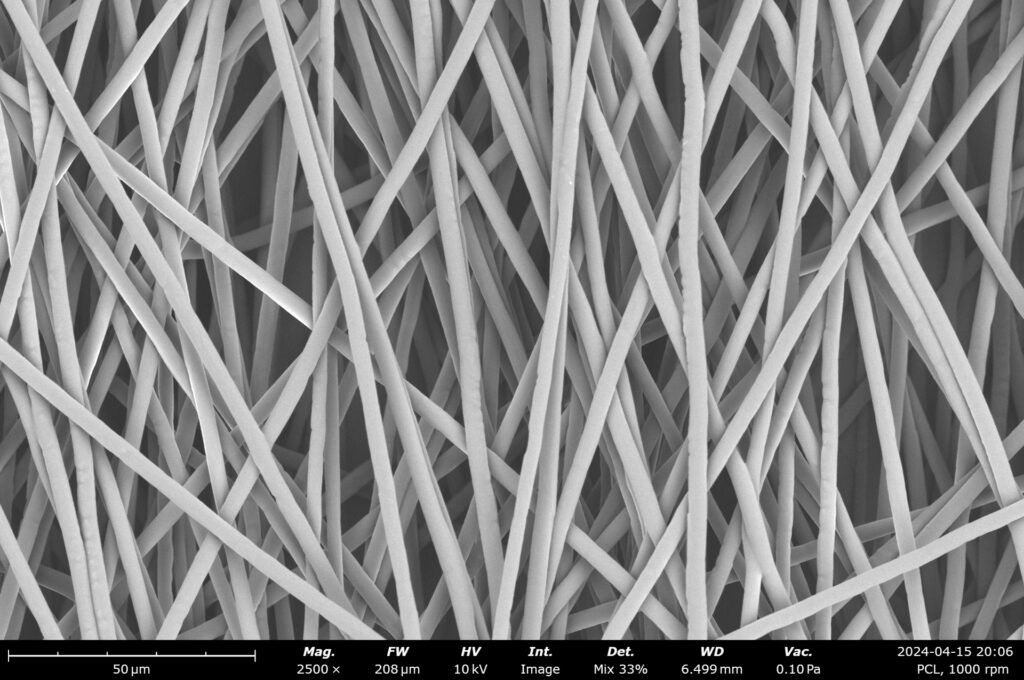
Tag Archives: electrospun nanofibers

Copper Oxide Electrospun Nanofibers for Energy

Copper Oxide Nanofibers for Energy

Introduction: The Need for Advanced Materials in the Energy Transition

The global push for cleaner, more efficient energy solutions is reshaping the landscape of materials science. As the world transitions toward renewable energy sources and seeks to reduce carbon emissions, the demand for advanced materials capable of enhancing the performance of batteries, supercapacitors, solar cells, and energy storage devices has reached unprecedented levels. Among these advanced materials, Copper oxide electrospun nanofibers have emerged as a key innovation, offering unique properties and exceptional versatility for next-generation energy applications.

The energy sector’s transformation requires materials that can deliver superior performance while maintaining cost-effectiveness and environmental sustainability. Traditional materials often fall short of meeting the stringent requirements of modern energy devices, creating an urgent need for novel nanomaterials that can bridge this performance gap. Electrospun copper oxide nanofibers are at the forefront of this technological shift, thanks to their outstanding conductivity, catalytic activity, and adaptability.

Why Copper Oxide Nanofibers? Unique Properties for Energy Use

Copper oxide (CuO) stands out as a semiconductor material with several compelling advantages for energy-related applications. Its intrinsic properties make it particularly attractive for various energy conversion and storage technologies.

The fundamental advantages of copper oxide include:

  • High electrical and thermal conductivity: Essential for efficient charge and heat transfer in energy devices
  • Excellent catalytic and photocatalytic activity: Critical for solar energy conversion and environmental applications
  • Low cost and natural abundance: Ensures economic viability for large-scale implementation
  • Ability to form nanostructures with high surface-to-volume ratios: Maximizes active sites for enhanced performance

When CuO is structured as nanofibers through electrospinning, these inherent properties are significantly amplified. The resulting Copper oxide electrospun nanofibers exhibit enhanced characteristics, including increased surface area for greater interaction with electrolytes and reactants, improved electron and ion transport pathways, and porous structures that facilitate diffusion while minimizing mechanical stress during battery cycling operations.

The fibrous morphology also provides mechanical flexibility and structural integrity, making these materials ideal for flexible energy devices and applications requiring durability under mechanical stress. This is why copper oxide electrospun nanofibers are increasingly chosen for advanced energy storage and conversion systems.

Electrospinning as a Route to Create CuO Nanofibers

Electrospinning represents a versatile and scalable technique for producing continuous nanofibers from polymer or inorganic precursor solutions. This process involves applying a high voltage to a solution containing a CuO precursor and a carrier polymer, generating a fine jet that solidifies in air and deposits as a nanofibrous mat on a generally negative charged collector. The electrospinning process is particularly advantageous for producing Copper oxide electrospun nanofibers due to its precise control over fiber morphology and scalability.

The electrospinning process offers several distinct advantages for CuO nanofiber production:

  • Precise control over fiber diameter and morphology: Enables tailoring of material properties for specific applications
  • Ability to incorporate other materials: Facilitates creation of hybrid or composite structures with enhanced functionality
  • Scalability: Adaptable for both laboratory-scale research and industrial-scale manufacturing
  • Cost-effectiveness: Relatively simple setup with moderate equipment requirements

The typical process involves dissolving copper precursors (such as copper acetate or copper nitrate) in a polymer solution, followed by electrospinning under controlled conditions. After electrospinning, the precursor fibers undergo thermal treatment to remove the polymer carrier and yield crystalline copper oxide nanofibers with optimized properties for energy applications. This method ensures high-quality copper oxide nanofibers with the characteristics required for high-performance energy devices.

Energy Applications of CuO Electrospun Nanofibers
Copper oxide electrospun nanofibers have demonstrated outstanding performance across a diverse range of energy applications, driving significant innovation in both energy storage and conversion devices. The use of copper oxide electrospun nanofibers in these fields is rapidly expanding due to their superior electrochemical and structural properties.

Electrospun Copper Oxide Nanofibers for Energy Storage

Advantages in Battery and Supercapacitor Design
In lithium-ion batteries, CuO nanofibers offer exceptional electrochemical performance characteristics. The fibrous morphology provides stable reversible capacity and excellent cycling performance over extended periods. Recent studies have demonstrated that CuO nanofibers produced by electrospinning can achieve specific capacities up to 452 mAh/g while maintaining stable performance over 100+ charge-discharge cycles. This remarkable performance is attributed to the unique structure of copper oxide electrospun nanofibers, which significantly outperforms conventional materials.

The one-dimensional structure of the nanofibers facilitates rapid lithium-ion diffusion and provides excellent electronic conductivity pathways. Additionally, the porous nature of the fibrous network accommodates volume changes during lithium insertion and extraction, reducing mechanical degradation and extending battery life.

For supercapacitors, the porous, conductive network of CuO nanofibers enables rapid charge transfer and higher energy density compared to traditional electrode materials. The high surface area provides numerous active sites for charge storage, while the interconnected fibrous structure ensures efficient electron transport. Integrating these nanofibers into hybrid electrodes has shown to enhance both power density and device longevity significantly. These advantages make Copper oxide electrospun nanofibers a preferred choice for next-generation supercapacitors.

Nanofibers for Photocatalysis and Solar Energy

Copper oxide nanofibers excel in photocatalytic applications and solar energy conversion systems. Their semiconductor properties enable efficient absorption of visible light and generation of electron-hole pairs, making them ideal for multiple applications including photocatalytic degradation of organic pollutants, hydrogen production via water splitting, and integration into photodetectors and next-generation solar cells.

The high surface area and tunable architectures of Copper oxide electrospun nanofibers further enhance process efficiency by providing more active sites for photocatalytic reactions.

The fibrous structure also facilitates better light scattering and absorption, improving overall photocatalytic performance. These properties open new avenues for solar energy utilization and environmental remediation applications.

Key Material Combinations and Hybrid Nanostructures

The performance of copper oxide electrospun nanofibers can be significantly enhanced by combining them with other materials to create sophisticated hybrid or composite structures. Hybrid electrodes based on Copper oxide electrospun nanofibers and other nanomaterials are being developed to achieve superior energy storage and conversion performance.

Notable examples of hybrid nanostructures include copper nanofiber networks with cobalt oxides (CuNFs@CoOx), which demonstrate improved electrode conductivity and mechanical stability, leading to higher capacity and better cycling performance in lithium-ion batteries. The cobalt oxide coating provides additional active sites while protecting the copper core from oxidation.

Core-shell and multilayer nanofiber designs represent another promising approach, optimizing electron transfer and ion diffusion while protecting the active material from degradation. These architectures can be precisely controlled during the electrospinning process by adjusting solution properties and processing parameters.

Composites incorporating graphene, metal oxides, or conductive polymers expand the range of applications and improve efficiency in both storage and conversion devices. For instance, CuO-graphene composites combine the high surface area of CuO nanofibers with the excellent electrical conductivity of graphene, resulting in enhanced electrochemical performance.

Such nanostructured material engineering strategies provide unprecedented opportunities for developing customized, high-performance energy devices tailored to specific application requirements.

copper oxide benefits

Benefits of Copper and Magnesium Cosubstitution in Na0.5Mn0.6Ni0.4O2 as a Superior Cathode for Sodium Ion Batteries. Source: Tao ChenWeifang LiuFang LiuYi LuoYi ZhuoHang HuJing GuoJun Yan*Kaiyu Liu*

Challenges, Industrial Scalability, and Fluidnatek’s Role

Despite significant scientific progress, integrating copper oxide electrospun nanofibers into industrial applications presents several critical challenges that must be addressed for successful commercialization. The large-scale production of Copper oxide electrospun nanofibers requires robust process control and advanced manufacturing solutions.

Scalability remains a primary concern, as large-scale production requires robust electrospinning systems capable of delivering high volumes of nanofibers with consistent quality and reproducible properties. The transition from laboratory-scale to industrial-scale production demands sophisticated process control and monitoring systems.

Uniformity and property control represent another significant challenge, as ensuring homogeneity in fiber diameter, morphology, and composition across large production batches is critical for commercial device performance. Variations in these parameters can significantly impact the final device performance and reliability.

Device integration requires efficient assembly of nanofibers into electrodes and functional components, demanding specialized engineering solutions and manufacturing processes that can handle the delicate nature of nanofibrous materials while maintaining their structural integrity.

Fluidnatek stands at the forefront of addressing these challenges through advanced electrospinning technology. The company offers sophisticated platforms specifically designed for scalable, controlled production of copper oxide nanofibers tailored for energy applications.

Fluidnatek’s systems are engineered to enable the industrial adoption of copper oxide electrospun nanofibers, bridging the gap between laboratory innovation and commercial-scale manufacturing

Conclusion: Copper Oxide Electrospun Nanofibers—The Future of Advanced Energy Materials

Copper oxide electrospun nanofibers represent one of the most promising solutions for next-generation energy devices, offering a unique combination of properties that address multiple challenges in energy storage and conversion. The continued development and deployment of copper oxide electrospun nanofibers will be key to advancing energy technologies worldwide.

Their exceptional surface area, excellent electrical conductivity, and structural versatility make them ideal candidates for advanced batteries, supercapacitors, photocatalytic systems, and solar energy conversion devices.

The ability to engineer hybrid and composite structures further expands their potential applications and performance capabilities, opening new possibilities for customized energy solutions. As the energy sector continues to evolve toward more sustainable and efficient technologies, these nanomaterials will play an increasingly important role in enabling the next generation of energy devices.

The primary challenges of scalability and quality control can be effectively addressed through advanced electrospinning technologies. Success in overcoming these challenges will unlock the full potential of copper oxide nanofibers and accelerate their industrial adoption across various energy applications.

Ready to Accelerate Your Energy Innovation?

Interested in scalable production of copper oxide nanofibers for energy devices? Discover how Fluidnatek’s electrospinning platforms empower energy innovation and enable the transition from laboratory research to industrial manufacturing.

Let Fluidnatek help you move from lab-scale research to commercial production with reliable, high-performance nanofiber solutions specifically tailored for the future of energy technology.

References

  1. Li, D., & Xia, Y. (2004). Electrospinning of nanofibers: Reinventing the wheel? Advanced Materials, 16(14), 1151-1170. https://doi.org/10.1002/adma.200400719
  2. Li, X., et al. (2021). Electrospun copper oxide nanofibers for high-performance lithium-ion batteries. Journal of Power Sources, 482, 228949. https://doi.org/10.1016/j.jpowsour.2020.228949
  3. Wang, Y., et al. (2017). Electrospun CuO nanofibers for high-performance supercapacitors. Nano Energy, 32, 294-301. https://doi.org/10.1016/j.nanoen.2016.12.015
  4. Zhang, X., et al. (2019). Recent advances in copper oxide nanostructures for energy applications. ACS Applied Energy Materials, 2(2), 1420-1440. https://doi.org/10.1021/acsaem.8b01909
  5. Fluidnatek by Bioinicia. (2025). Electrospinning technology for functional nanomaterials. https://fluidnatek.com/electrospinning-electrospraying/


Electrospun Wound Dressing: A Breakthrough in Advanced Wound Healing

wound-dressing-electrospinning

Electrospinning has emerged as a transformative technology for designing next-generation wound dressings. The unique ability of this technique to produce nanofiber-based scaffolds that mimic the extracellular matrix (ECM) has positioned it at the forefront of biomedical research. As chronic wounds, burns, and post-surgical injuries demand increasingly sophisticated care, electrospun wound dressings offer unmatched potential for accelerating healing, preventing infections, and delivering therapeutic agents in a controlled manner.

The Clinical Challenge in Wound Care

Chronic and acute wounds remain a significant clinical burden, particularly among aging populations and individuals with diabetes, vascular disease, or immunocompromised states. Conventional dressings often fail to provide optimal moisture retention, mechanical protection, or antimicrobial activity. Furthermore, they rarely support cellular activities required for tissue regeneration.

In contrast, nanofiber wound dressing systems can be engineered to address these limitations through structural mimicry of native tissue, functional loading with bioactive compounds, and controlled drug release. The growing body of research and innovation in biomedical electrospinning highlights the urgent need for advanced wound dressing materials.

human skin wound

View of a human skin wound.

Benefits of Electrospun Nanofibers for Wound Care

Electrospinning enables the production of continuous fibers with diameters ranging from tens of nanometers to a few micrometers, offering several biomedical advantages:

Mimicking the Extracellular Matrix (ECM)

The fibrous architecture of electrospun mats closely resembles the ECM, providing a favorable environment for cell adhesion, proliferation, and differentiation. This promotes effective re-epithelialization and granulation tissue formation.

Tunable Porosity and Moisture Control

By adjusting parameters such as voltage, flow rate, and polymer concentration, the porosity of the electrospun membrane can be finely tuned. This facilitates gas exchange while preventing bacterial infiltration, which is vital for wound healing.

Functionalization with Bioactive Agents

Nanofiber scaffolds can be functionalized with antimicrobial agents, growth factors, and anti-inflammatory drugs, enabling drug-loaded electrospun fibers that actively participate in the healing process rather than serving as passive barriers.

Mechanical Adaptability

Electrospun mats can be designed with elasticity and strength suitable for various anatomical sites, from joints to pressure points, enhancing patient comfort and compliance.


Polymeric Systems and Functionalization Strategies

The choice of polymers significantly influences the properties and functionality of electrospun wound dressings. Both synthetic and natural polymers are employed, often in blends to balance biocompatibility, degradability, and mechanical performance.

Synthetic Polymers for Structural Integrity

Polymers such as polycaprolactone (PCL), poly(lactic acid) (PLA), and polyurethane (PU) are frequently used due to their mechanical robustness and processability. These materials ensure the scaffold maintains structural integrity over time.

Biopolymers for Antimicrobial Effect and Bioactivity

Natural polymers, including collagen, gelatin, chitosan, and hyaluronic acid, offer inherent bioactivity. Biopolymer wound dressing systems leverage these materials to introduce antimicrobial and hemostatic properties.

For instance, chitosan is widely recognized for its antimicrobial properties and has been incorporated into nanofibrous matrices to enhance wound healing efficacy PubMed source.


Drug Delivery and Bioactive Capabilities

Electrospinning facilitates controlled drug release by embedding pharmaceuticals within or on the surface of the nanofibers. This delivery mode ensures a sustained release at the wound site, improving therapeutic outcomes and reducing systemic side effects.

Release Kinetics and Porosity Design

By modulating the polymer composition and fiber morphology, researchers can customize release profiles ranging from burst release to prolonged delivery over several days or weeks. Porosity design plays a critical role in mediating this process and can be optimized for different wound types and stages.

Multi-drug and Layered Systems

Advanced configurations such as core–shell nanofibers, multilayered mats, and coaxial spinning enable incorporation of multiple drugs with staggered release kinetics. This is especially valuable in treating infected wounds or those requiring both antimicrobial and regenerative agents.

Examples include loading electrospun mats with silver nanoparticles for antibacterial effects alongside vascular endothelial growth factor (VEGF) for tissue regeneration ScienceDirect source.

Vascular endothelial growth factor A (VEGF A) protein molecule

Vascular endothelial growth factor A (VEGF A) protein molecule. Cartoon representation combined with semi transparent surfaces.

Clinical Potential and Future Perspectives

The translation of electrospinning for biomedical applications from bench to bedside is accelerating. Several preclinical studies and early-stage clinical trials highlight the promising outcomes of wound healing scaffolds based on electrospun materials.

Regulatory Considerations

Despite the promise, regulatory hurdles persist. Sterilization techniques, reproducibility of fiber architecture, and scalability for mass production are key challenges. However, platforms like Fluidnatek® electrospinning systems are designed to meet Good Manufacturing Practice (GMP) requirements, easing the path to commercialization.

Personalized and Smart Dressings

Future directions point toward personalized wound care solutions, integrating biosensors for real-time monitoring, stimuli-responsive drug release, and AI-assisted design of scaffold parameters based on wound morphology.

Innovative research in wound healing biomaterials is increasingly leveraging machine learning and big data analytics to fine-tune material properties for individualized therapy.


Conclusion: From Research to Clinical Application

Electrospun wound dressings are reshaping the landscape of wound management. Their unique combination of biomimetic structure, bioactivity, and versatility makes them ideal candidates for a wide range of clinical applications—from diabetic ulcers to battlefield injuries.

As the field progresses, the synergy between material science, bioengineering, and medical practice will drive the development of even more effective solutions.

Are you exploring advanced wound care materials? Discover how Fluidnatek’s electrospinning platforms help design, test and scale biomedical nanofiber dressings tailored to your research or product needs. Explore our biomedical electrospinning solutions.


References

  1. Chouhan, D., & Mandal, B. B. Silk biomaterials in wound healing and skin regeneration therapeutics: From bench to bedside. Acta Biomaterialia, 2020, 103, 24–51. DOI: 10.1016/j.actbio.2019.11.050
  2. Boateng, J. S., Matthews, K. H., Stevens, H. N. E., & Eccleston, G. M. Wound healing dressings and drug delivery systems: A review. Journal of Pharmaceutical Sciences, 2008, 97(8), 2892–2923. DOI: 10.1002/jps.21210
  3. Zhang, Y. Z., Venugopal, J., Huang, Z. M., Lim, C. T., & Ramakrishna, S. Crosslinking of the electrospun gelatin nanofibers. Polymer, 2006, 47(8), 2911–2917. DOI: 10.1016/j.polymer.2006.02.046
  4. Li, X., Kanjwal, M. A., Lin, L., & Chronakis, I. S. Electrospun polyvinyl-alcohol nanofibers as oral fast-dissolving delivery system of caffeine and riboflavin. Colloids and Surfaces B: Biointerfaces, 2013, 103, 182–188. DOI: 10.1016/j.colsurfb.2012.10.023
  5. Zhang, H., He, P., Kang, Y., & Wang, L. Electrospun composite nanofibers for functional wound dressings: A review. Journal of Industrial Textiles, 2022, 52(2), 1–30. DOI: 10.1177/15280837221106633
  6. Chen, S., Li, R., Li, X., Xie, J. Electrospinning: An enabling nanotechnology platform for drug delivery and regenerative medicine. Advanced Drug Delivery Reviews, 2018, 132, 188–213. DOI: 10.1016/j.addr.2018.07.002
  7. Khorshidi, S., Karkhaneh, A., A review on nanofiber scaffolds for wound healing applications. Journal of Biomedical Materials Research Part A, 2018, 106(9), 2530–2545. DOI: 10.1002/jbm.a.36483
  8. Yarin, A. L. Coaxial electrospinning and emulsion electrospinning of core–shell fibers. Polymer, 2011, 52(9), 2029–2044. DOI: 10.1016/j.polymer.2011.02.042

Electrospun Membrane Hydrophilicity: Materials & Methods

Electrospun Membrane Hydrophilicity copia

Electrospun membrane hydrophilicity represents a critical property that significantly influences their performance across various applications. When fabricating nanofibrous materials through electrospinning, controlling surface wettability becomes essential for optimizing functionality in fields ranging from biomedical engineering to environmental remediation.

Hydrophilic membranes facilitate fluid transport, enhance cell adhesion, improve filtration efficiency, and promote biomolecule immobilization—making them particularly valuable in tissue engineering, drug delivery systems, and water treatment processes.

The ability to precisely engineer membrane hydrophilicity through careful selection of materials, processing parameters, and post-fabrication treatments has positioned electrospinning as a versatile technique for creating application-specific fibrous structures.

This article explores the fundamental concepts, methodologies, and applications related to hydrophilic electrospun nanofibers, providing insights for researchers and industry professionals seeking to leverage these advanced materials.

What is Membrane Hydrophilicity?

Membrane hydrophilicity refers to the affinity of a membrane surface for water molecules. This property is governed by the chemical composition and physical structure of the membrane surface, which determine its interaction with water through hydrogen bonding and other molecular forces.

Measuring Hydrophilicity

The most common method for quantifying membrane hydrophilicity is the water contact angle measurement. This technique involves placing a water droplet on the membrane surface and measuring the angle formed between the surface and the tangent line at the droplet’s edge:

  • Contact angle > 150°: Indicates a superhydrophobic surface with minimal contact area
  • Contact angle > 90°: Indicates a hydrophobic surface where water tends to bead up
  • Contact angle < 90°: Indicates a hydrophilic surface where water spreads more readily
  • Contact angle < 10°: Indicates a superhydrophilic surface with excellent wetting properties

The water contact angle of a nanofiber membrane is a key indicator of nanofiber membrane hydrophilicity, influenced by both the polymer’s chemical composition and the fibrous network’s physical architecture.

Hidrophilicity_plasma

Contact angle comparison of scaffolds with and without plasma treatment. Data are mean ± standard error of the mean, n = 3; *p<0.05. [Zhu et al. PLoS ONE 2015; 10(7): e0134729. doi:10.1371/journal.pone.0134729. cc by 4.0].

Factors Affecting Hydrophilicity

Several factors influence the hydrophilicity of electrospun membranes:

  1. Chemical composition: The presence of hydrophilic functional groups (hydroxyl, carboxyl, amino, etc.) on the polymer backbone increases water affinity
  2. Surface roughness: Nanoscale roughness can either enhance or reduce wettability depending on the baseline hydrophilicity of the material
  3. Porosity: Higher porosity typically increases the effective surface area available for water interaction
  4. Fiber diameter: Smaller fiber diameters generally correlate with increased hydrophilicity due to higher specific surface area
  5. Surface energy: Materials with higher surface energy tend to exhibit greater hydrophilicity

Understanding these factors allows researchers to strategically design electrospun nanofibers with tailored wetting properties for specific applications.

How Electrospinning Affects Hydrophilicity

The electrospinning process plays a pivotal role in surface wettability control by influencing fiber formation, polymer orientation, and surface morphology, ultimately determining the final hydrophilicity of electrospun membranes.

Material Selection Impact

The choice of polymer is the primary determinant of membrane hydrophilicity. Common polymers used in electrospinning can be categorized based on their inherent hydrophilicity:

Hydrophilic Polymers:

Hydrophobic Polymers:

PolyVinyl Alcohol (PVA)

PolyCaproLactone (PCL)

PolyEthylene Oxide (PEO)

PolyLactic Acid (PLA)

PolyAcrylic Acid (PAA)

PolyStyrene (PS)

PolyVinylPyrrolidone (PVP)

Poly (Methyl MethAcrylate) (PMMA)

Natural polymers (gelatin, collagen, chitosan)

PolyVinyliDene Fluoride (PVDF)

Electrospinning Parameters

Various electrospinning parameters directly influence the wettability of the resulting membranes:

  • Solution concentration: Higher polymer concentrations typically yield fibers with larger diameters and potentially lower hydrophilicity
  • Applied voltage: Affects fiber morphology and surface roughness, indirectly influencing wetting behavior
  • Flow rate: Can impact fiber diameter and membrane porosity
  • Collector distance: Influences solvent evaporation and fiber crystallinity
  • Environmental conditions: Humidity and temperature affect solvent evaporation rates and subsequent fiber properties

Research has shown that optimizing these parameters can produce membranes with controlled hydrophilicity even when using inherently hydrophobic polymers. For instance, Li et al. (2019) demonstrated that reducing the flow rate from 1.5 mL/h to 0.5 mL/h when electrospinning PVDF resulted in fibers with smaller diameters and increased surface area, decreasing the water contact angle from 142° to 128°.

Similarly, Zhu et al. (2021) reported that increasing applied voltage from 12 kV to 18 kV during PCL electrospinning created fibers with enhanced surface roughness that, when combined with plasma treatment, achieved a 40% greater improvement in hydrophilicity compared to fibers produced at lower voltages.

Surface Modification Approaches

Surface modification techniques are widely employed to enhance the hydrophilicity of electrospun membranes:

  1. Plasma treatment: Low-temperature plasma exposure introduces oxygen-containing functional groups on the fiber surface, significantly improving hydrophilicity without affecting bulk properties
  2. Chemical treatment: Alkaline hydrolysis or acid treatment can cleave polymer chains to create hydrophilic functional groups
  3. UV irradiation: Initiates photochemical reactions that introduce hydrophilic groups on polymer surfaces
  4. Coaxial electrospinning: Creates core-shell fibers with hydrophilic exteriors and hydrophobic interiors for multifunctional properties
  5. Blend electrospinning: Incorporates hydrophilic polymers or additives into primarily hydrophobic polymer solutions
  6. Surface coating: Post-fabrication application of hydrophilic agents like polyethylene glycol (PEG) or hydrophilic polymers

These approaches enable precise control over surface wettability while maintaining the mechanical integrity and bulk properties of the electrospun membrane.

Applications of Hydrophilic Electrospun Membranes

The enhanced wettability of hydrophilic electrospun membranes makes them particularly valuable across diverse applications:

Biomedical Applications

Tissue Engineering:

  • Improved cell adhesion, proliferation, and migration on hydrophilic scaffold surfaces
  • Enhanced nutrient transport and waste removal in three-dimensional tissue constructs
  • Better mimicry of the natural extracellular matrix environment

Drug Delivery:

  • More efficient loading of hydrophilic drugs
  • Controlled release profiles due to improved interaction with aqueous environments
  • Improved biocompatibility and reduced foreign body response

Wound Dressing:

  • Superior absorption of wound exudates
  • Maintenance of a moist healing environment
  • Facilitated delivery of therapeutic agents to wound sites

Environmental Applications

Water Filtration:

  • Electrospun hydrophilic membranes enable enhanced removal of contaminants through improved interaction with water, making them ideal for advanced filtration systems. Reduced fouling due to hydrophilic surface properties
  • Higher flux rates compared to hydrophobic membranes

Oil-Water Separation:

  • Selective permeation of water through hydrophilic membranes while rejecting oil
  • Self-cleaning properties that reduce maintenance requirements
  • Sustainable approach to treating industrial wastewater

Sensor Technologies

Biosensors:

  • Improved immobilization of biomolecules on hydrophilic surfaces
  • Enhanced sensitivity and response times due to better interaction with aqueous analytes
  • Reduced non-specific binding and improved selectivity

Case Studies and Recent Research

Recent advances in hydrophilic electrospun membrane development highlight the ongoing innovation in this field:

Case Study 1: Superhydrophilic Nanofibers for Oil-Water Separation

Researchers at the Massachusetts Institute of Technology (MIT) led by Wang et al. (2020) developed a polyacrylonitrile (PAN) nanofiber membrane with superhydrophilic and underwater superoleophobic properties. By optimizing electrospinning parameters and subsequent alkaline hydrolysis, they achieved a water contact angle near zero while maintaining excellent mechanical strength. The membrane demonstrated 99.8% separation efficiency for various oil-water mixtures with high flux rates (>5.000 L/m²·h) and anti-fouling properties, retaining over 95% of its initial flux after ten cycles of operation. This work, published in the Journal of Membrane Science, represents a significant advancement in sustainable water treatment technologies.

Case Study 2: Biomimetic Electrospun Membranes for Tissue Engineering

A team from the National University of Singapore created a biomimetic hydrophilic scaffold using a blend of PCL and gelatin. The electrospun nanofibers exhibited a water contact angle of approximately 45°, compared to 135° for pure PCL membranes. The optimized hydrophilicity significantly enhanced human dermal fibroblast attachment, proliferation, and extracellular matrix production, making these membranes promising candidates for skin tissue engineering applications.

Recent Research Advances

Several cutting-edge approaches to controlling membrane hydrophilicity have emerged in recent literature:

  • Stimuli-responsive membranes: Electrospun materials that can switch between hydrophilic and hydrophobic states in response to environmental triggers (pH, temperature, light)
  • Gradient hydrophilicity: Membranes with spatially varying wettability to guide cell migration or fluid flow
  • Janus membranes: Asymmetric membranes with hydrophilic and hydrophobic faces for directional fluid transport
  • Mineral-incorporated nanofibers: Integration of hydrophilic nanoparticles (silica, hydroxyapatite) to enhance surface wettability while adding functionality

These innovations demonstrate the continuing evolution of hydrophilic electrospun membrane technology and its expanding applications.

The Future of Hydrophilic Electrospun Membranes

As research in electrospun nanofibers continues to advance, several promising directions are emerging for hydrophilic membrane development:

  1. Sustainable materials: Increased focus on biodegradable and bio-based polymers with inherent hydrophilicity
  2. Multifunctional membranes: Integration of hydrophilicity with other properties like antimicrobial activity or electrical conductivity
  3. Precision engineering: Finer control over hydrophilicity gradients and patterns within a single membrane
  4. Scalable production: Development of industrial-scale processes for manufacturing consistent hydrophilic membranes
  5. Computational modeling: Advanced simulation tools to predict and optimize hydrophilicity based on material and process parameters

These advancements will further expand the utility of hydrophilic electrospun membranes across existing and emerging applications.

Conclusion

The hydrophilicity of electrospun membranes represents a critical parameter that significantly influences their performance across numerous applications. By carefully selecting materials, optimizing processing parameters, and applying surface modification techniques, researchers can precisely control membrane hydrophilicity to meet specific application requirements.

The versatility of electrospinning as a fabrication technique, combined with the numerous approaches available for enhancing surface wettability, has positioned hydrophilic electrospun membranes as valuable materials for addressing challenges in healthcare, environmental protection, and advanced manufacturing. As research continues to advance, we can anticipate further innovations in this dynamic field.

Looking to tailor electrospun membrane hydrophilicity for your application? Discover how Fluidnatek’s platforms enable electrospinning surface wettability control and precise fabrication of electrospun hydrophilic membranes, tailored to your application requirements. Our technology allows for reproducible fabrication of hydrophilic nanofibrous materials optimized for your specific requirements.


References

  1. Ahmed, F. E., Lalia, B. S., & Hashaikeh, R. (2015). A review on electrospinning for membrane fabrication: Challenges and applications. Desalination, 356, 15-30. https://doi.org/10.1016/j.desal.2014.09.033
  2. Bhardwaj, N., & Kundu, S. C. (2010). Electrospinning: A fascinating fiber fabrication technique. Biotechnology Advances, 28(3), 325-347. https://doi.org/10.1016/j.biotechadv.2010.01.004
  3. Haider, A., Haider, S., & Kang, I. K. (2018). A comprehensive review summarizing the effect of electrospinning parameters and potential applications of nanofibers in biomedical and biotechnology. Arabian Journal of Chemistry, 11(8), 1165-1188. https://doi.org/10.1016/j.arabjc.2015.11.015
  4. Liu, M., Duan, X. P., Li, Y. M., Yang, D. P., & Long, Y. Z. (2017). Electrospun nanofibers for wound healing. Materials Science and Engineering: C, 76, 1413-1423. https://doi.org/10.1016/j.msec.2017.03.034
  5. Liao, Y., Wang, R., Tian, M., Qiu, C., & Fane, A. G. (2018). Fabrication of polyvinylidene fluoride (PVDF) nanofiber membranes by electro-spinning for direct contact membrane distillation. Journal of Membrane Science, 30-39, 425-426. https://doi.org/10.1016/j.memsci.2012.09.023
  6. Desmet, T., Morent, R., De Geyter, N., Leys, C., Schacht, E., & Dubruel, P. (2009). Nonthermal plasma technology as a versatile strategy for polymeric biomaterials surface modification: A review. Biomacromolecules, 10(9), 2351-2378. https://doi.org/10.1021/bm900186s
  7. Konwarh, R., Karak, N., & Misra, M. (2017). Electrospun cellulose acetate nanofibers: The present status and gamut of biotechnological applications. Biotechnology Advances, 31(4), 421-437. https://doi.org/10.1016/j.biotechadv.2013.01.002
  8. Li, X., Wang, C., & Yang, Y. (2019). Influence of electrospinning parameters on hydrophilicity of electrospun polyvinylidene fluoride nanofiber membranes. Journal of Applied Polymer Science, 136(22), 47585. https://doi.org/10.1002/app.47585
  9. Zhu, M., Han, J., Wang, F., Shao, W., & Xiong, R. (2021). Electrospun nanofibers with controlled hydrophilicity for high-efficiency oil-water separation. Separation and Purification Technology, 264, 118383. https://doi.org/10.1016/j.seppur.2021.118383
  10. Wang, K., Abdalla, A. A., Khaleel, M. A., Hilal, N., & Khraisheh, M. K. (2020). Superhydrophilic electrospun PAN nanofiber membranes with hierarchical structures for efficient oil-water separation. Journal of Membrane Science, 612, 118465. https://doi.org/10.1016/j.memsci.2020.118465
INTERESTED? CONTACT OUR SPECIALISTS!