Category Archives: News

Electrospinning Environmental Control: How Temperature and Humidity Shape Fiber Morphology — and Why the ECU Makes the Difference

Fluidnatek ECU is critical for biomedical and GMP applications.

Environmental conditions strongly affect electrospinning outcomes, especially fiber diameter, morphology, and batch-to-batch reproducibility. Relative humidity and temperature influence solvent evaporation, jet stability, and fiber solidification, making environmental control a critical part of process development. Fluidnatek’s Environmental Control Unit (ECU) provides control of temperature and humidity to support more consistent electrospinning results across biomedical and research applications.

Introduction: Why Environmental Control Matters in Electrospinning

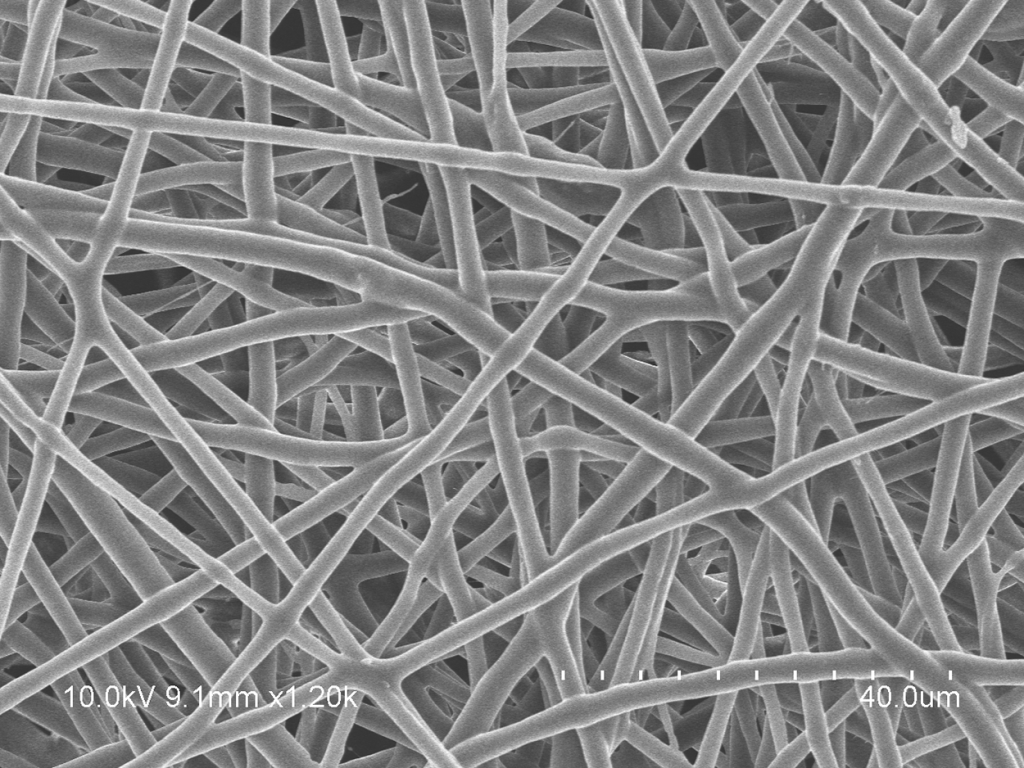
Electrospinning is highly sensitive to ambient conditions. Even when voltage, flow rate, and tip-to-collector distance are well optimized, changes in temperature and humidity can alter the way a jet forms and dries, which in turn affects final fiber morphology.

This sensitivity becomes especially important in applications where fiber uniformity matters, such as biomedical scaffolds, drug delivery systems, and protein-based biomaterials. In these cases, small changes in environmental conditions can lead to differences in fiber diameter, surface texture, and defect formation.

For this reason, environmental control is not simply a convenience. It is a practical tool for improving reproducibility, reducing process variability, and supporting more reliable electrospinning development. The Fluidnatek ECU is designed specifically for this purpose, giving users a controlled chamber environment that helps them work within a stable and adaptable climate window.

Mechanisms: How Humidity and Temperature Affect Fiber Morphology

Relative Humidity and Solvent Evaporation

Relative humidity plays an important role in electrospinning because it affects how quickly solvent evaporates from the jet and how the fiber surface solidifies. When humidity is too high, evaporation may slow down, which can increase the risk of surface pores, ribbon-like fibers, or other morphology changes. When humidity is too low, the jet may dry too quickly, which can also contribute to instability or defects in some systems.

The effect is not identical for every polymer or solvent system, but the broader principle is consistent: ambient humidity can significantly alter fiber formation. That is why controlled humidity is valuable when working with sensitive materials or when attempting to reproduce a specific morphology across multiple batches.

Temperature and Solution Properties

Temperature also influences electrospinning in several ways. It can affect solution viscosity, solvent vapor pressure, and the overall drying dynamics of the fiber jet. In many systems, a moderate increase in temperature can promote finer fiber formation by lowering viscosity and accelerating solvent evaporation.

At the same time, excessive heat can destabilize certain formulations, especially when working with protein-based or biologically sensitive materials. In those cases, process consistency depends not only on the electrospinning parameters themselves, but also on maintaining a stable and appropriate thermal environment throughout the run.


The Link Between Environment and Reproducibility

One of the biggest challenges in electrospinning is reproducibility. A process that works well on one day may behave differently on another if the lab environment changes. Seasonal shifts, air conditioning, ventilation, or simple humidity fluctuations can all influence the final fiber structure.

This is especially relevant when moving from exploratory research to more structured process development. If the goal is to compare formulations, optimize a scaffold, or build a scalable process, then environmental drift can make results harder to interpret. A controlled environment helps reduce this variability and makes it easier to isolate the effect of each process parameter.

The ECU addresses this need by providing active control over the chamber atmosphere. That gives researchers a more stable platform for comparing conditions, refining recipes, and documenting process behavior more consistently.


What the Fluidnatek ECU Brings to the Process

Fluidnatek’s Environmental Control Unit is designed to support electrospinning under controlled conditions by regulating temperature and humidity within the chamber. It is available as an integrated option across the Fluidnatek platform range and is intended to help users manage the climate conditions that affect fiber formation.

The ECU combines environmental stability with practical process support. According to Fluidnatek’s product positioning, it enables heating, cooling, drying, and humidifying of the chamber atmosphere, allowing users to explore the viable climate space for each process more effectively. This flexibility is particularly useful when working with polymers or solvents that respond differently to ambient conditions.

The system also supports a clean processing environment through HEPA filtration at the air intake stage. For biomedical and research applications, that added environmental control can be helpful when working toward more consistent and defensible results.


Applications Where Environmental Control Makes a Difference

Biomedical Scaffolds and Implantable Devices

In biomedical electrospinning, morphology matters. Fiber diameter, surface texture, and porosity all influence how a scaffold behaves in contact with cells and tissue. For applications such as wound dressings, vascular grafts, hernia meshes, and nerve guides, stable environmental conditions can help improve the consistency of the final material.

Polymer systems used in biomedical applications may be particularly sensitive to ambient changes. For that reason, the ability to control humidity and temperature during electrospinning can support more reliable scaffold development and more consistent batch-to-batch performance.


Drug Delivery and Functional Materials

Environmental control is also valuable in drug delivery work, where fiber morphology can affect loading behavior, surface characteristics, and release performance. In these cases, uncontrolled humidity may alter the way the fiber forms and dries, which can introduce unwanted variability.

Using a controlled chamber environment helps reduce one major source of uncertainty during process development. That makes it easier to compare formulations, evaluate design space, and make more confident decisions about process optimization.


Protein-Based Biomaterials

Protein-based electrospinning systems are often more sensitive than synthetic polymers. Materials such as collagen or gelatin may respond strongly to both temperature and humidity, which makes a stable processing environment even more important.

For these applications, environmental control can help preserve process consistency and reduce the likelihood of morphological defects. It also supports a more predictable workflow when researchers need to repeat experiments, compare formulations, or document results for publication or future scale-up.

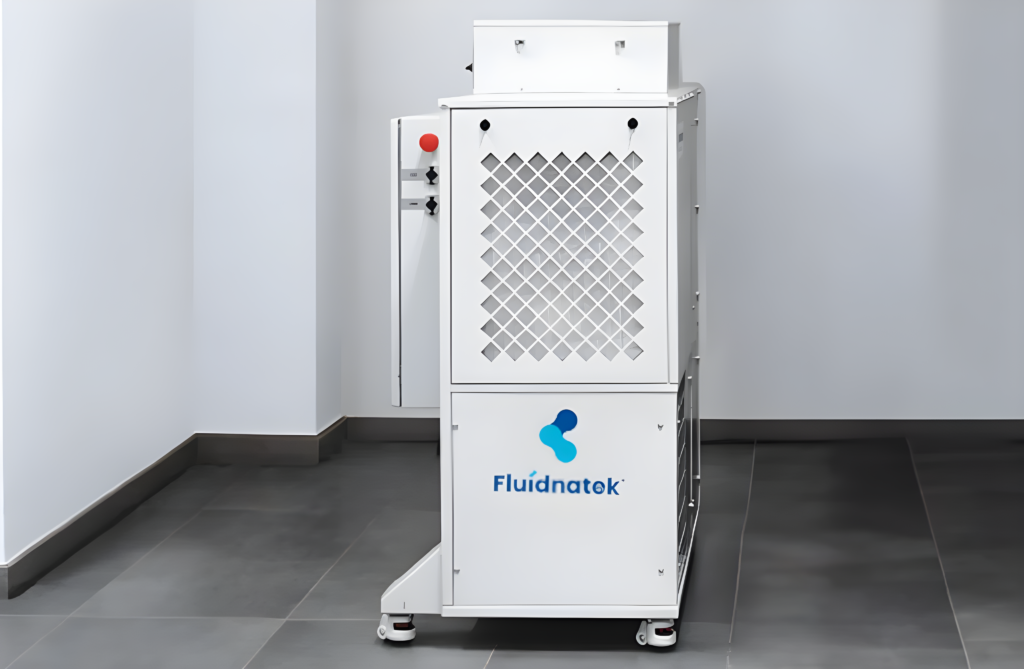
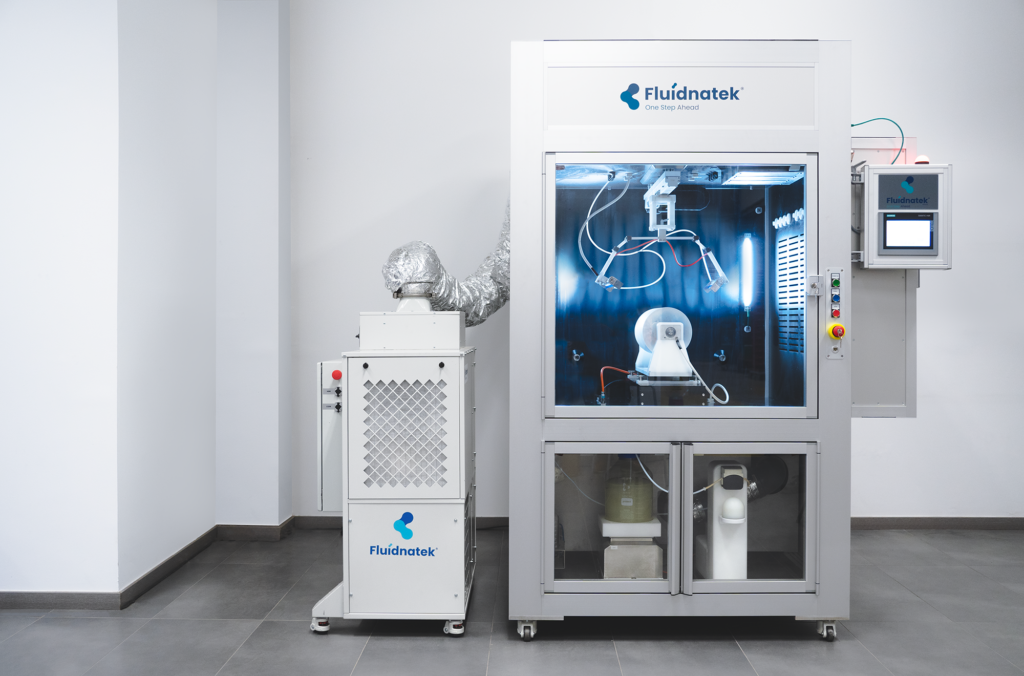
Fluidnatek LE-500 + ECU_front view

Fluidnatek LE-500 and ECU.

Environmental Control and Scale-Up

Environmental control becomes even more important as electrospinning moves from lab-scale development to larger or more formalized production settings. At a larger scale, minor fluctuations in airflow, vapor accumulation, or chamber conditions can have a greater effect on fiber consistency.

A controlled chamber helps reduce one of the common variables that can complicate scale-up. By keeping temperature and humidity within a defined range, researchers and manufacturers can work toward more repeatable results across different systems and production settings.

This is where the ECU fits naturally into Fluidnatek’s broader platform approach. It is designed to support process development, product optimization, and the transition from exploratory research to more controlled production workflows.


Why the ECU Fits Fluidnatek’s Platform Strategy

The ECU is not a general-purpose climate accessory. It is part of a system designed specifically for electrospinning, where temperature, humidity, and airflow must be considered together.

That matters because electrospinning is not a static process. It is sensitive to the interaction between the solution, the jet, the collector, and the surrounding atmosphere. A controlled chamber gives users more flexibility to explore those interactions while reducing the noise introduced by uncontrolled ambient conditions.

For researchers, that means better experimental control and easier comparison between runs. For process developers, it means a more stable route toward reproducibility. And for teams working on biomedical or regulated applications, it helps support a cleaner and more consistent process environment.

Conclusion

Environmental control is a fundamental part of electrospinning process development. Temperature and humidity can strongly influence fiber morphology, diameter distribution, and reproducibility, making them essential variables to manage when working on high-value applications.

Fluidnatek’s Environmental Control Unit is designed to provide that stability within the electrospinning chamber. By supporting controlled heating, cooling, drying, humidification, and HEPA-filtered air intake, the ECU helps users create a more consistent processing environment for research and development.

For teams developing biomedical scaffolds, drug delivery systems, or other electrospun materials, that controlled environment can make the difference between a promising result and a repeatable process.

Looking to improve reproducibility in your electrospinning work? Fluidnatek’s Environmental Control Unit provides the controlled chamber conditions you need to support better fiber morphology, more consistent results, and more confident process development.

Contact our technical team to learn how the ECU can support your application.


References

Casper, C. L., Stephens, J. S., Tassi, N. G., Chase, D. B., & Rabolt, J. F. (2004). Controlling surface morphology of electrospun polystyrene fibers: Effect of humidity and molecular weight in the electrospinning process. Macromolecules, 37(2), 573–578. https://doi.org/10.1021/ma0351975

Nezarati, R. M., Eifert, M. B., & Cosgriff-Hernandez, E. (2013). Effects of humidity and solution viscosity on electrospun fiber morphology. Tissue Engineering Part C: Methods, 19(10), 810–819. https://doi.org/10.1089/ten.tec.2012.0671

Samad, U. A., Alam, M. A., Al-Zahrani, S. M., & Sherif, E. S. M. (2020). Effect of humidity on formation of electrospun polycaprolactone nanofiber embedded with curcumin using needleless electrospinning. Procedia Manufacturing, 43. https://doi.org/10.1016/j.promfg.2020.02.193

Xue, J., Wu, T., Dai, Y., & Xia, Y. (2019). Electrospinning and electrospun nanofibers: Methods, materials, and applications. Chemical Reviews, 119(8), 5298–5415. https://doi.org/10.1021/acs.chemrev.8b00593

Omer, S., Forgách, L., Zelkó, R., & Sebe, I. (2021). Scale-up of Electrospinning: Market Overview of Products and Devices for Pharmaceutical and Biomedical Purposes. Pharmaceutics, 13(2), 286. https://doi.org/10.3390/pharmaceutics13020286

Vass, P., et al. (2020). Scale-up of electrospinning technology: Applications in the pharmaceutical industry. WIREs Nanomedicine and Nanobiotechnology, 12(4), e1611. https://doi.org/10.1002/wnan.1611

Fluidnatek. (2024). Electrospinning Environmental Control Unit (ECU). Bioinicia Fluidnatek SLU. https://fluidnatek.com/advanced-electrospinning-equipment/electrospinning-environmental-control/

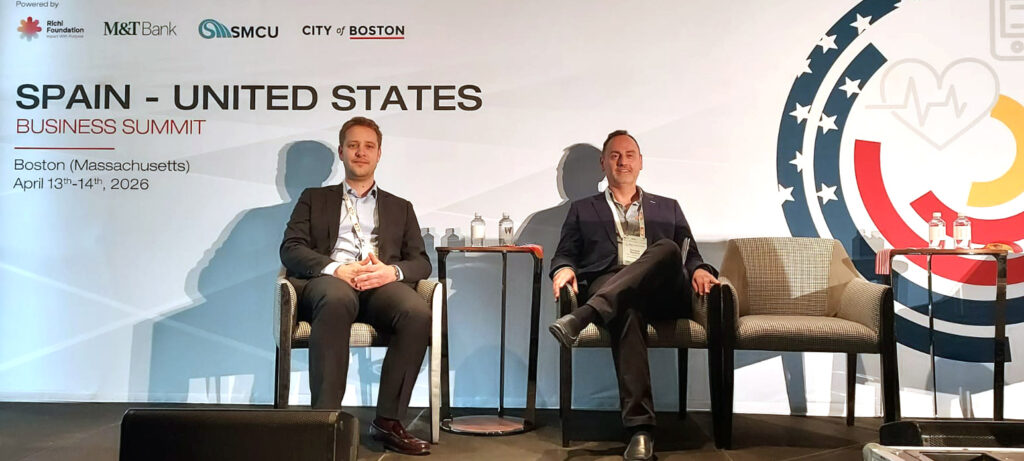
Fluidnatek, at the Spain–United States Business Summit

Boston biotech hub

Boston as a Global Biotech Innovation Ecosystem

Boston continues to position itself as one of the most concentrated and dynamic biotech hubs worldwide—bringing together leading research institutions, startups, established companies, and investors within a highly collaborative environment. This unique ecosystem makes the city a key reference point for advances in biomedical innovation, biotechnology, and medical device development.

At Fluidnatek, our participation in the Spain–United States Business Summit goes beyond event attendance. It is part of a broader strategy to remain closely aligned with the evolving needs of the biomedical and medical device sectors, particularly in areas where advanced materials and scalable manufacturing technologies are critical.

Strengthening Transatlantic Collaboration in Life Sciences

This initiative, promoted by ICEX in collaboration with Richi Foundation and local partners, brings together Spanish and US companies to foster collaboration in life sciences, biotechnology, and advanced technologies. Such platforms are essential to accelerate innovation and facilitate knowledge exchange across international ecosystems.

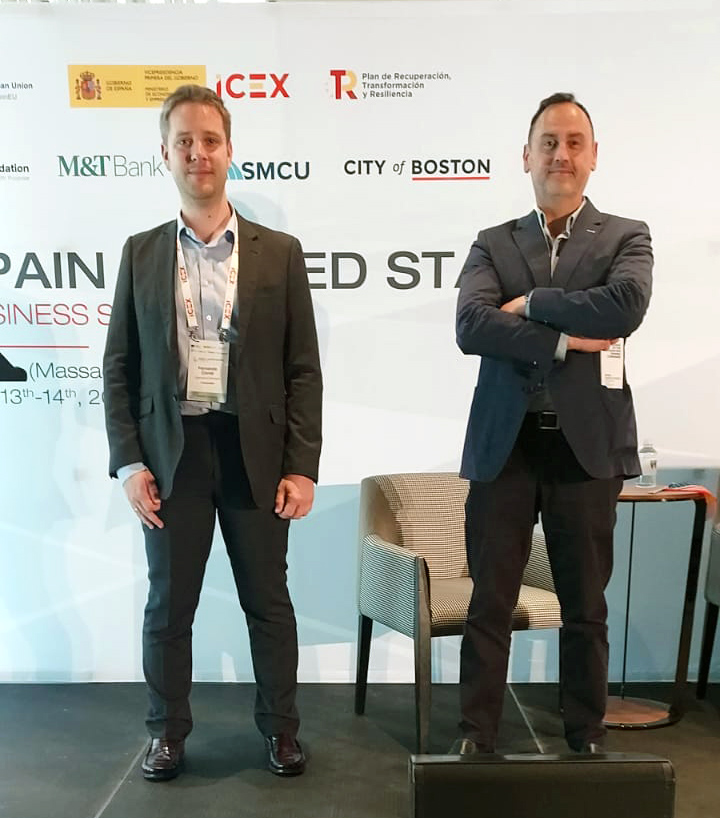
Boston_ICEX biotech summit

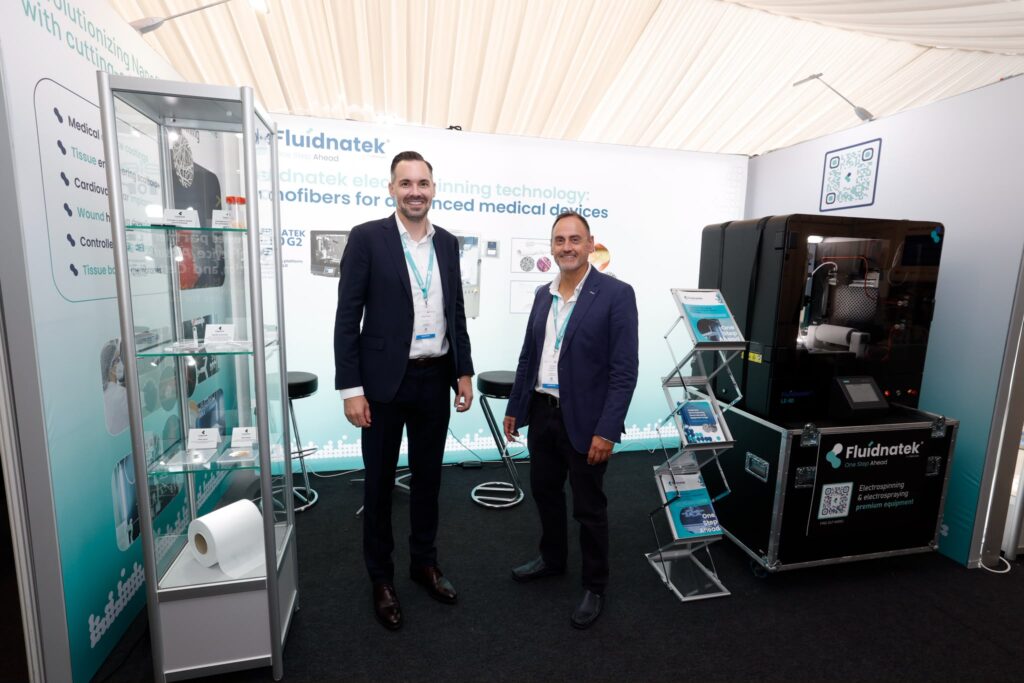
Fernando Corral -Operations Manager-, and Enrique Navarro -Sales & Marketing Manager, at the Spain-United States Business Summit.

Key Focus Areas in the Boston Life Science Ecosystem

In recent days, we have engaged with companies and innovation platforms across the Boston life sciences landscape—from early-stage ventures to well-established organisations—sharing perspectives on current challenges and opportunities in areas such as:

  • Advanced biomaterials and tissue engineering
  • Drug delivery systems and functional coatings
  • Scalable manufacturing of nanostructured materials

These domains are closely linked to the growing demand for electrospinning technologies and nanofiber-based solutions, particularly where performance, reproducibility, and scalability are key requirements.

Electrospinning and Nanofiber Technologies in Real-World Applications

Experiencing the level of innovation and commitment within the Boston ecosystem is truly inspiring. The energy surrounding these projects highlights the importance of translating research into practical, impactful solutions.

At Fluidnatek, the continuous improvement of our electrospinning platforms is directly shaped by these interactions. By listening to researchers and industry leaders, we ensure that our technology evolves in line with real application needs—from laboratory research to scalable nanofiber production.

Our presence in the US is well established. Over the years, we have supported this ecosystem by providing advanced nanofiber production technologies, enabling developments in biomedical applications, filtration, and beyond. Our commitment remains clear: to ensure that electrospinning moves beyond experimental settings and becomes a reliable, scalable manufacturing solution.

Driving Innovation Through Collaboration

Ultimately, meaningful innovation is driven by collaboration. Conversations with researchers, startups, and industry leaders are essential to identify challenges, refine technologies, and accelerate progress in the field of nanofiber-based biomedical applications.

👉 If you are working on biomedical applications involving nanofibers or electrospinning technologies, we invite you to get in touch with our team. Let’s explore how we can support your developments and collaborate on bringing scalable solutions to market.

Coming soon, new webinar: “Electrospinning of nanocellulose-stabilized emulsions toward multiphasic fibers”

fibers

Join our upcoming webinar with Dr. Vanessa Oliveira Castro (TUBAF): “Electrospinning of nanocellulose-stabilized emulsions toward multiphasic fibers.”

Date: February 17th, 2026
Time: 5 p.m. CET / 11 a.m. ET / 8 a.m. PT.


Abstract

In Pickering Emulsions (PEs), multiphasic systems are stabilized by particles. By electrospinning, these systems can be converted into fibers that preserve the multiphasic character and are able, for instance, to store active compounds through core-shell architectures. Due to this exceptional ability, such fibers have high promises for advanced material applications in drug delivery, tissue engineering, filtration, or catalysis. This study explores fundamental principles of PE electrospinning based on polysaccharides, such as dextran that later form the multiphasic fiber matrix, and cellulose nanocrystals as emulsion stabilizers. To achieve fiber spinnability, we present strategies for tailoring water-in-water PEs, by selecting suitable water-soluble polymers, or by varying their concentration and the phase ratio, as well as by adapting the concentration of the particle stabilizer. The phase behavior and stability of PEs are analyzed by fluorescence microscopy, using selective dyes for each of the polymer phases. For fiber characterization, scanning electron microscopy (SEM) and transmission electron microscopy (TEM) were used to analyze the fiber morphologies and to confirm the resulting core-shell architecture, respectively. Ultimately, we will show how PE electrospinning can be a promising and, more importantly, scalable alternative to multiaxial electrospinning for the production of multiphasic and functional fibers.

About the speaker

Dr. Vanessa Castro is a material science specialist with a focus on polymers. She obtained her PhD in 2022 from UFSC (Brazil) with a project based on the development of conductive electrospun membranes for nerve regeneration. During the last year of her PhD, she participated in an exchange program at the Institute “Institut National des Sciences Appliquées de Lyon” (France) to investigate the potential of bio-ionic liquids to increase membranes properties, such as biocompatibility. In 2023, she started her postdoc in the Green Functional Materials group, led by Dr. Katja Heise. Her mission in the team was the development of green Pickering emulsions for multiple applications. Since November 2025, she has been the group leader of the BioWin junior research group at Technische Universität Bergakademie Freiberg, Germany. The research is focused on sustainable materials and circular bioeconomy solutions. The work centers on converting agricultural and food-processing residues into high-value polymer-based materials such as films and electrospun membranes, using green chemistry.

About TUBAF

The Technische Universität Bergakademie Freiberg (TUBAF) is a research-oriented technical university with a strong focus on materials science, sustainability, and resource efficiency. Within TUBAF, the Institute for Nanoscale and Biobased Materials (INBM) contributes to this mission by developing innovative nano- and biobased functional materials, linking fundamental research with applications in energy, environmental, and biomedical fields.

More information

Technische Universität Bergakademie Freiberg. Click here for more information.

Fluidnatek Strengthens Its Commitment to Biomedical Innovation at COMPAMED 2025

Fluidnatek COMPAMED 2025

Fluidnatek successfully participated in MEDICA-COMPAMED 2025, the leading international event for the healthcare industry, which brought together over 5,300 exhibitors from 70 nations and attracted 78,000 professional visitors from November 17 to 20 in Düsseldorf. This participation provided a valuable opportunity to connect with the international scientific community and gain deeper insights into the trends shaping the future of biomedical applications.

A Strategic Encounter with the Global Healthcare Ecosystem

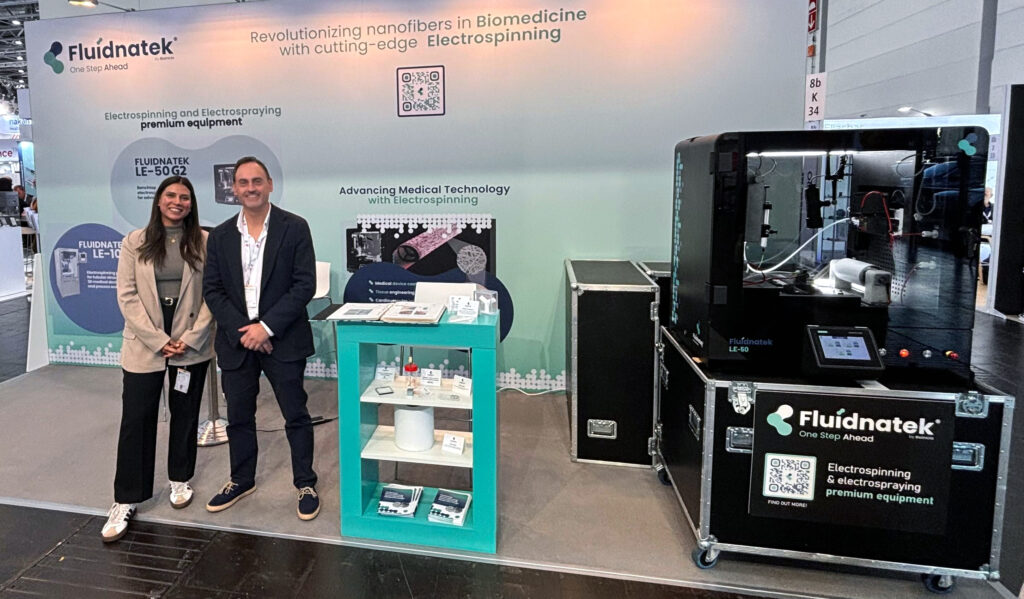
From Stand 8bK34 in Hall 8B at COMPAMED, our team conducted live demonstrations of the LE-50 Gen2 system throughout all four days of the fair, allowing visitors to experience firsthand the capabilities of electrospinning technology and establish meaningful connections with top-level professionals in the sector. The fair, which adopted the theme “Meet Health. Future. People.” this year, consolidated its position as an essential meeting point for healthcare industry decision-makers. According to the organizers’ data, three-quarters of professional visitors belong to senior management at their companies or organizations, and 75% traveled from 160 different countries, confirming the truly global reach of the event.

The intensive days in Düsseldorf proved particularly enriching for Fluidnatek. The dynamic exchanges with visitors from different regions around the world provided valuable perspectives on current challenges in the biomedical sector and emerging needs in areas such as tissue engineering, regenerative medicine, and advanced drug delivery systems.

Key Learnings for Future Development

Participation in MEDICA-COMPAMED 2025 enabled Fluidnatek to identify important trends that will guide our technological development in the coming years:

Tissue Regeneration and Personalized Medicine: Conversations with researchers and clinical professionals revealed a growing demand for more versatile solutions for creating 2D and 3D scaffolds tailored to specific applications, from bone and cartilage regeneration to vascular engineering.

Advanced Wound Healing: The interest shown in next-generation wound dressings with superior healing properties underscores the need to continue innovating in functional materials that integrate antimicrobial capabilities, growth factors, and controlled release of active ingredients.

Smart Medical Devices: The integration of specialized coatings in medical devices with complex geometries emerges as a high-potential area, particularly in implants and devices with prolonged tissue contact.

Controlled Release Platforms: The development of drug delivery systems based on functionalized nanofibers remains a field of great interest, particularly in oncology, chronic disease treatment, and localized therapies.

Strategic Collaborations and Industry Synergies

One of the most valuable aspects of participating in COMPAMED has been the opportunity to establish dialogues with leading companies in the sector.
This environment has allowed Fluidnatek to position itself as a technology partner specializing in electrospinning and electrospraying processes, with capabilities ranging from biomedical research to applications in pharmacy, cosmetics, filtration, energy, and new materials.

Looking Toward the Future of Biomedicine

The experience at MEDICA-COMPAMED 2025 reinforces Fluidnatek’s vision of the transformative role that nanofiber technologies can play in the medicine of the future. The conversations held during the fair provided valuable insights into the directions in which the biomedical sector is evolving:

  • The growing demand for solutions for organoids and complex tissue models that enable advances in personalized medicine and more predictive preclinical trials.
  • Interest in sterile applications and systems that ensure maximum safety for implants and devices in direct contact with the organism.
  • The need for scalability and reproducibility in the manufacturing of advanced biomedical materials.
  • The integration of multiple functionalities into a single technological platform, combining mechanical, biological, and pharmacological properties.


COMPAMED_booth

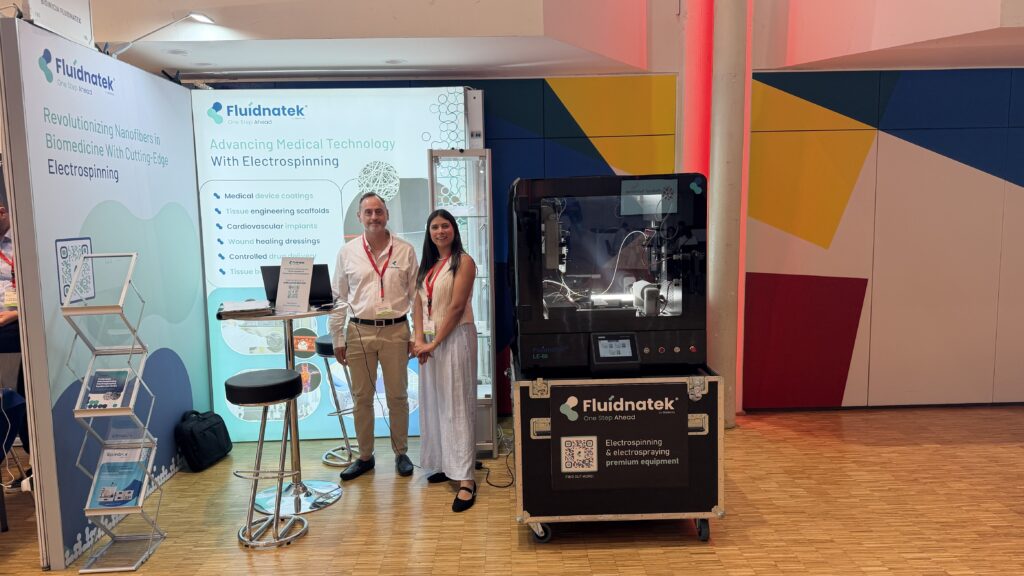
Becky Thunio and Enrique Navarro at the Fluidnatek booth during COMPAMED 2025.

Ongoing Commitment to Innovation

The next edition of MEDICA and COMPAMED will take place from November 16 to 19, 2026, in Düsseldorf. The organizers have announced they will continue developing both events toward greater integration, leveraging synergies and expanding their international relevance, with the goal of facilitating even more intensive interdisciplinary dialogue among industry, science, politics, and clinical practice.

For Fluidnatek, participation in MEDICA-COMPAMED is not simply an exhibition opportunity, but an ongoing commitment to learning, collaborative innovation, and developing solutions that respond to the real needs of the biomedical sector. The knowledge acquired at this edition will guide our R&D efforts and allow us to remain a reference in electrospinning technologies for the advancement of biomedical applications.

We thank all the professionals who visited our stand and shared their experiences and visions about the future of biomedicine. These exchanges are fundamental to continuing the development of technologies that truly make a difference in people’s health and well-being.

Fluidnatek at DGBM 2025: Shaping the Future of Biomedical Materials

The German Society for Biomaterials 2025 (DGBM) conference in Dresden has wrapped up, leaving us inspired and grateful for the vibrant exchange of knowledge with leading experts in biomaterials and regenerative medicine.

A heartfelt thank you to the DGBM organization for hosting such an impactful event and to every delegate who contributed to deep discussions around the future of electrospun nanofibers and their role in innovative therapies and advanced drug delivery.

Fluidnatek is proud to strengthen its positioning in the biomedical community and to continue revolutionizing nanofiber solutions with cutting-edge electrospinning technology. Special thanks to our colleagues Becky Tunio (KAM) and Enrique Navarro (Sales & Marketing Manager) for representing our commitment and expertise on-site.

Let’s keep pushing the boundaries of innovation together!

More about the event: https://www.dgbm-kongress.de/

Becky Tunio and Enrique Navarro Alonso, at DGBM 2025.

Fluidnatek Unveils Revolutionary LE-50 Gen2: Next-Gen Biomedical Innovation Takes Center Stage at Medical Technology Ireland 2025

2025 MTI

Fluidnatek made a significant impact at Medical Technology Ireland 2025, held September 24–25 at the Galway Racecourse, where we proudly unveiled our groundbreaking LE-50 Gen2 electrospinning and electrospraying platform. This cutting-edge system represents the future of nanofiber and nanoparticle research in biomedical applications.

Live Innovation in Action

Our exhibition stand became a hub of scientific discovery as attendees witnessed live demonstrations of the LE-50 Gen2‘s remarkable capabilities. This state-of-the-art benchtop system revolutionizes laboratory research by seamlessly integrating both needle-based and needleless technologies within a single, versatile unit.

Key breakthrough features include:

  • Dual-solution processing capabilities
  • Independent high-voltage control systems
  • Automated emitter motion ensuring exceptional homogeneity
  • Unmatched precision for multi-material scaffold development

These advanced functionalities position the LE-50 Gen2 as the ideal solution for pioneering applications in tissue engineering, accelerated wound healing, precision drug delivery systems, and next-generation medical device coatings.

Expert Representation

Fluidnatek’s presence was expertly represented by our specialized team:

  • Enrique Navarro, Sales & Marketing Manager
  • Milan Proks, Key Account Manager

Transforming Medical Science

Electrospinning technology is revolutionizing biomedical research by enabling the creation of nanofiber-based scaffolds that precisely replicate the natural extracellular matrix. This biomimetic approach significantly enhances cell growth and accelerates tissue regeneration processes. Additionally, our electrospun materials deliver controlled, targeted release of therapeutic compounds, opening new frontiers in personalized medicine.

The LE-50 Gen2’s exceptional precision combined with its scalability makes it an indispensable tool for researchers and companies driving the next wave of medical technology breakthroughs.

Looking Forward

We extend our sincere gratitude to all the innovators, researchers, and industry leaders who visited our stand and engaged in meaningful discussions about how Fluidnatek’s advanced solutions can accelerate biomedical innovation. These valuable conversations fuel our commitment to pushing the boundaries of what’s possible in medical technology.

For more information about the LE-50 Gen2 and how it can transform your biomedical research, contact our team today.

2025 MTI

Live demonstrations of the LE50 Gen2.

Engaging with the Biomedical Community at FBPS 2025 in Porto

FBPS Porto

Showcasing innovation in electrospinning and biomedical polymers

Fluidnatek successfully participated in the FBPS 2025 – Biomedical Polymers & Electrospinning Symposium, recently held in Porto. This international symposium provided a unique opportunity to present our latest innovations in electrospinning technology, nanofibers for biomedical applications, and advanced polymers, while strengthening collaboration with the global scientific community.

Event highlights

Innovative solutions on display

We showcased our latest developments in nanofiber electrospinning, nanotechnology, and biomedical applications, attracting strong interest from researchers and industry professionals.

Knowledge exchange

Our team engaged with international experts, generating enriching discussions and potential collaborations for future projects in biomaterials and nanofibers.

Excellent reception at our booth

Many visitors approached our booth to learn more about our technology, explore applications, and discuss opportunities for scientific and industrial collaboration.

Looking ahead

We would like to thank the symposium organizers for such an inspiring edition, as well as all visitors who shared their ideas and enthusiasm with us.

Events like FBPS 2025 confirm that we are on the right path: continuing to innovate in electrospinning, strengthen ties with the scientific community, and develop solutions with a real impact in biomedical applications.

Discover more about our electrospinning technologies and how we apply nanofibers and advanced polymers in biomedicine.

FBPS25_Becky

Becky Tunio, at FBPS 2025 in Porto.

Coming soon, new webinar: “Biofunctional electrospun fibers aiming target therapies”

webinar Minho

From Bioinicia Fluidnatek, we would like to invite you to our highly informative Webinar in collaboration with the 3Bs-University of Minho.

Date: June 18th, 2025
Time: 5 p.m. CET / 11 a.m. ET / 8 a.m. PT.
Click here to register


Abstract

To mimic the structure and function of natural extracellular matrix (ECM), electrospun fibrous meshes (eFMs) have been developed at the 3B’s Research Group (University of Minho, Portugal). Despite their physical resemblance, the ability of natural ECM to locally bind, store and deliver bioactive factors to adjacent cells have been also considered. Materializing, antibodies, tissue-specific proteins, soluble growth factors or extracellular vesicles were immobilized at the high surface area of eFMs. These biofunctional systems were developed to specifically regenerate cartilage, bone, vascular, neural and thymic tissues, using either endogenous or natural biomolecules. Ultimately, we aim to validate, at the preclinical and clinical stages, advanced target therapies for human use.

About the speaker

Dr. Albino Martins is an expert in Tissue Engineering and Regenerative Medicine at 3Bs – University of Minho, with expertise in nanostructures for targeted therapies. He holds a PhD in Tissue Engineering and has authored over 85 publications, accumulating 4,000+ citations (h-index 36). His work focuses on functionalized nanofibers and nanoparticles for cell modulation and cancer treatment. He has led and coordinated several national and international research projects, holds multiple patents, and actively participates in scientific dissemination. Martins also serves on editorial boards of high-impact journals and has supervised numerous graduate students, contributing significantly to research, innovation, and education in biomaterials and regenerative medicine.

About 3B’s

The 3B’s Research Group, part of the 3Bs Institute at the University of Minho, Portugal, is a leading center in biomaterials, tissue engineering, and regenerative medicine. Established in 1998, it focuses on developing natural polymer-based biomaterials and stem cell therapies for applications in drug delivery and tissue regeneration. The group leads the European Institute of Excellence on Tissue Engineering and Regenerative Medicine, with branches in 13 countries.

More information

3B’s Research Group. Click here for more information.

Fluidnatek in Medicon Valley Alliance

MediconValley_1

We’re thrilled to share that Fluidnatek is on a commercial mission in Medicon Valley Alliance, one of Europe’s most dynamic medical clusters. 🌍 Our presence at the #MVAAnnualSummit2025 is a key step in deepening our engagement with the science community, fostering new collaborations, and exploring business opportunities in this vibrant ecosystem.

Representing us at the summit is our Sales and Marketing Manager, Enrique Navarro Alonso, who is actively connecting with industry leaders and showcasing Fluidnatek’s latest innovations. 🤝

If you’re at the event, be sure to meet us and discover how we can work together to shape the future of life sciences.

Proud to be part of this international hub for pharma, biotech, and medtech advancement!

MediconValley_1

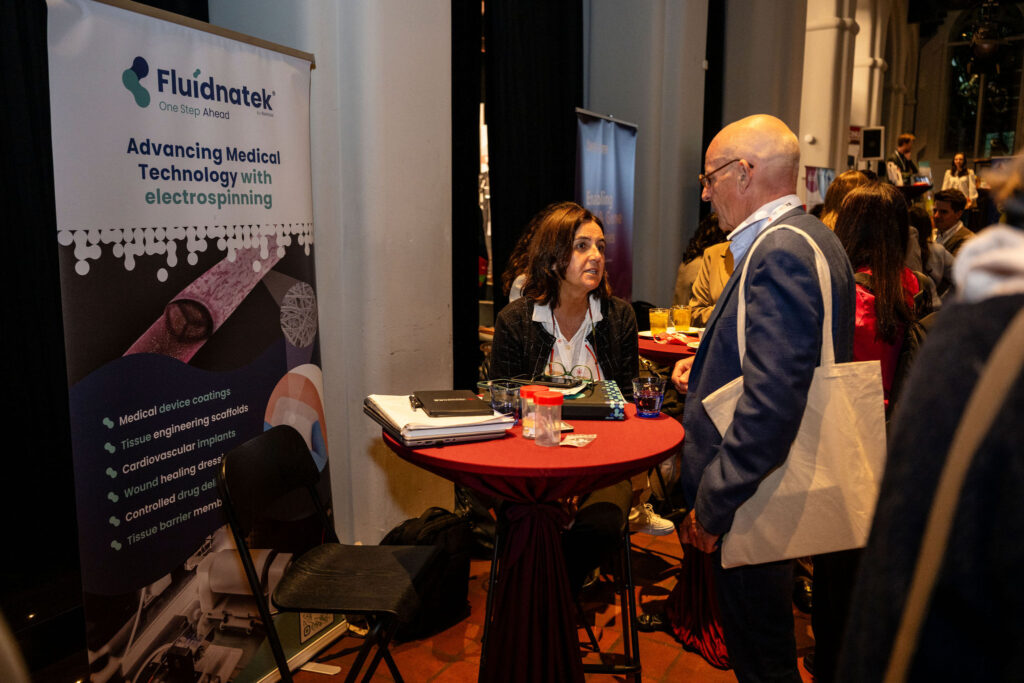
Our Sales and Marketing Manager, Enrique Navarro.

INTERESTED? CONTACT OUR SPECIALISTS!