Author Archives: Vicente Zaragozá

Electrospun Fibers as Implant Interface Layer: Modulating Implant–Tissue Interactions

Implant–Tissue

Introduction: Enhancing Implant–Tissue Interactions

The long-term performance of biomedical implants is fundamentally determined by the biological response at the implant–tissue interface. Regardless of the bulk material used—metallic, polymeric, or composite—the surface in contact with host tissue governs protein adsorption, immune activation, cellular adhesion, and ultimately tissue remodeling. Suboptimal interface properties can result in persistent inflammation, fibrous encapsulation, or postoperative adhesions, compromising both functional outcomes and patient recovery.

In recent years, electrospun nanofiber membranes have emerged as promising candidates for engineering implant interface layers. Their structural resemblance to the extracellular matrix (ECM), combined with tunable surface chemistry and degradability, enables controlled modulation of cell–material interactions.

A recent study by Ren et al. (2023) investigated electrospun polycaprolactone (PCL)/polyethylene glycol (PEG) membranes as implant interface layers. By varying PEG content, the authors tailored membrane hydrophilicity and evaluated its influence on macrophage response in vitro and adhesion formation in vivo using a rat Achilles tendon injury model. Surface hydrophilicity emerged as a key factor in attenuating inflammatory signaling and optimizing tissue-implant integration

This article examines electrospun fibers as implant interface layers, focusing on their biological rationale, material strategies, translational relevance, and fabrication considerations within the biomedical context.

What Are Implant Interface Layers and Why Do They Matter?

An implant-tissue interface serves as a functionalized interlayer or biomimetic scaffold engineered to modulate the bidirectional biological signaling between a prosthetic device and surrounding tissue. Evolving beyond inert coatings, these architectures now function as bioactive modulators that influence the acute immune response and subsequent long-term homeostatic integration

Key biological processes occurring at the implant interface include:

  • Adsorption of serum proteins
  • Recruitment and activation of immune cells
  • Macrophage polarization dynamics
  • Fibroblast migration and extracellular matrix deposition
  • Fibrotic encapsulation or adhesion formation

Macrophages play a central role in determining the fate of implanted materials. Their polarization toward a pro-inflammatory (M1-like) or pro-regenerative (M2-like) phenotype significantly influences healing outcomes. Excessive or prolonged M1 activation is associated with chronic inflammation and fibrosis, whereas M2 polarization supports tissue repair and remodeling.

In the study by Ren et al., bone marrow-derived macrophages (BMDMs) cultured on electrospun PCL/PEG membranes exhibited hydrophilicity-dependent responses. Increasing PEG content enhanced membrane hydrophilicity and was associated with down-regulation of inflammatory gene expression and increased expression of markers linked to M2-like polarization. These results demonstrate that surface wettability can meaningfully influence immune cell behavior.

In vivo evaluation using a rat model further demonstrated that pure PCL membranes were associated with substantial adhesion formation, whereas PCL/PEG membranes showed reduced adhesion and facilitated easier separation of tendon from surrounding tissue. The membrane containing the highest PEG ratio exhibited the lowest inflammatory response and fewest adhesions among the tested groups.

Electrospun nanofibers are thus repositioned as bioactive transducers capable of governing tissue-to-implant integration, moving beyond the concept of static anatomical barriers

Electrospun Nanofibers for Implant–Tissue Integration

Electrospinning produces continuous fibers with diameters typically in the nano- to submicron range, forming porous, interconnected membranes. Several characteristics make electrospun nanofibers particularly attractive as implant interface layers.

Advantages of Fibrous Biointerfaces

  1. ECM-Mimetic Architecture

The fibrous morphology of electrospun membranes resembles native extracellular matrix, providing topographical cues that influence cell adhesion and morphology. This structural similarity can facilitate more physiological cell–material interactions compared to smooth or minimally textured surfaces.

  1. High Surface Area and Porosity

Electrospun mats present large surface areas for protein adsorption and cell contact, while their interconnected porosity supports nutrient diffusion and cellular infiltration where desired.

  1. Tunable Surface Chemistry

By blending polymers with different physicochemical properties, such as hydrophobic PCL and hydrophilic PEG, membrane wettability and degradation behavior can be adjusted. In the Ren et al. study, increasing PEG content directly modulated hydrophilicity and altered macrophage responses.

  1. Controlled Degradation

The study noted that membranes with higher PEG content exhibited a sparser multilayer structure in vivo, which may be related to faster degradation and potentially facilitated tissue separation at the membrane layer. This observation suggests that degradation kinetics can influence adhesion formation and interface remodeling.

Materials Used and Functionalization Strategies

H3 PCL/PEG Blended Systems

Polycaprolactone (PCL) is a widely used biodegradable polyester known for its mechanical flexibility and slow hydrolytic degradation.

Nevertheless, its inherent hydrophobicity frequently leads to non-specific protein adsorption, which may trigger adverse pro-inflammatory responses.

Polyethylene glycol (PEG), in contrast, is hydrophilic and widely used to enhance surface wettability and reduce non-specific protein adsorption. By blending PEG with PCL prior to electrospinning, Ren et al. created membranes with tunable hydrophilicity while maintaining structural integrity.

The study demonstrates that increasing PEG content:

  • Enhances hydrophilicity
  • Reduces inflammatory gene expression in macrophages
  • Promotes M2-like polarization
  • Reduces adhesion formation in vivo

Importantly, the investigation did not rely on additional bioactive molecules or drug incorporation; the modulation effect was achieved solely through adjustment of polymer composition and resulting surface properties.


Role of Fiber Alignment

The membranes in the study were described as aligned nanofibers. Fiber alignment can influence cell orientation and migration, particularly in musculoskeletal applications where anisotropic tissue architecture is critical. While the study focuses primarily on hydrophilicity effects, alignment may contribute to guiding tissue organization at the interface.

Considerations for Surface Modification

Beyond polymer blending, electrospinning platforms allow additional strategies such as incorporation of bioactive agents or post-fabrication surface treatments. However, the Ren et al. work specifically highlights that even without complex biochemical functionalization, physicochemical modulation alone can significantly alter immune response and adhesion outcomes.

Applications and Clinical Relevance

Tendon Repair and Adhesion Prevention

Postoperative adhesions remain a major complication in tendon surgery, limiting mobility and functional recovery. In the rat Achilles tendon injury model used by Ren et al., pure PCL membranes were associated with substantial tissue adhesion. In contrast, PCL/PEG membranes reduced adhesion formation, and the highest PEG ratio yielded the most favorable outcome in terms of reduced inflammation and improved tissue separation.

These findings suggest that electrospun implant interface layers may serve as physical and biological barriers that minimize pathological fibrotic bridging while supporting controlled healing.


Broader Implications for Implant–Tissue Integration

Although the study specifically evaluates a tendon model, the underlying principle—modulation of macrophage phenotype through surface hydrophilicity—has broader implications for other soft tissue implant applications. However, extrapolation to orthopaedic hard-tissue implants or cardiovascular devices requires dedicated experimental validation.

The work supports a paradigm in which implant surface engineering prioritizes immune modulation as a primary design objective.
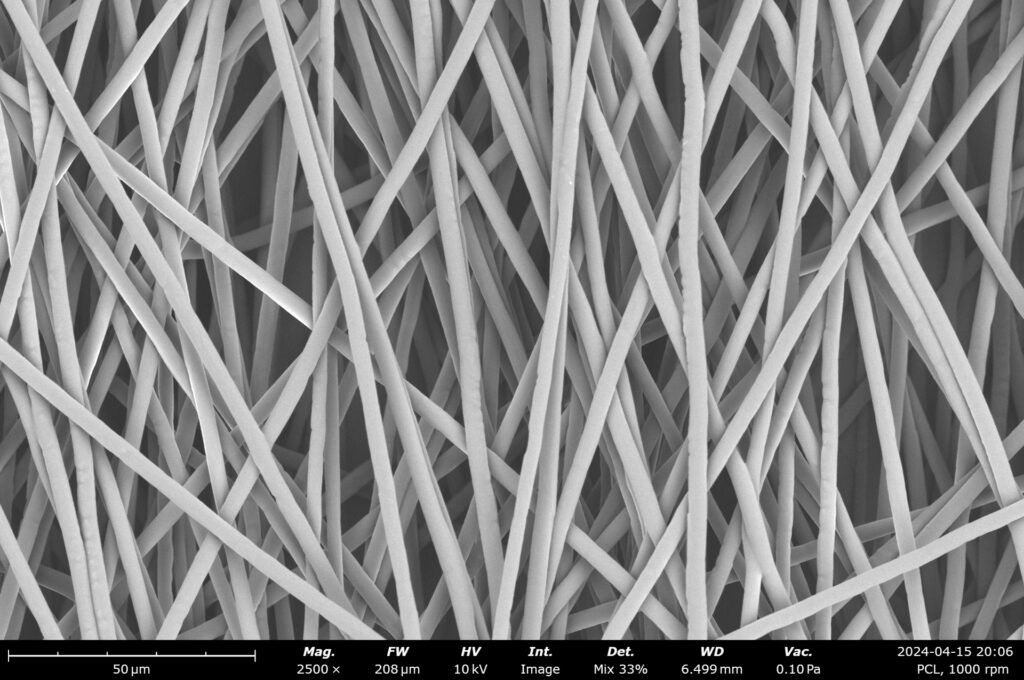
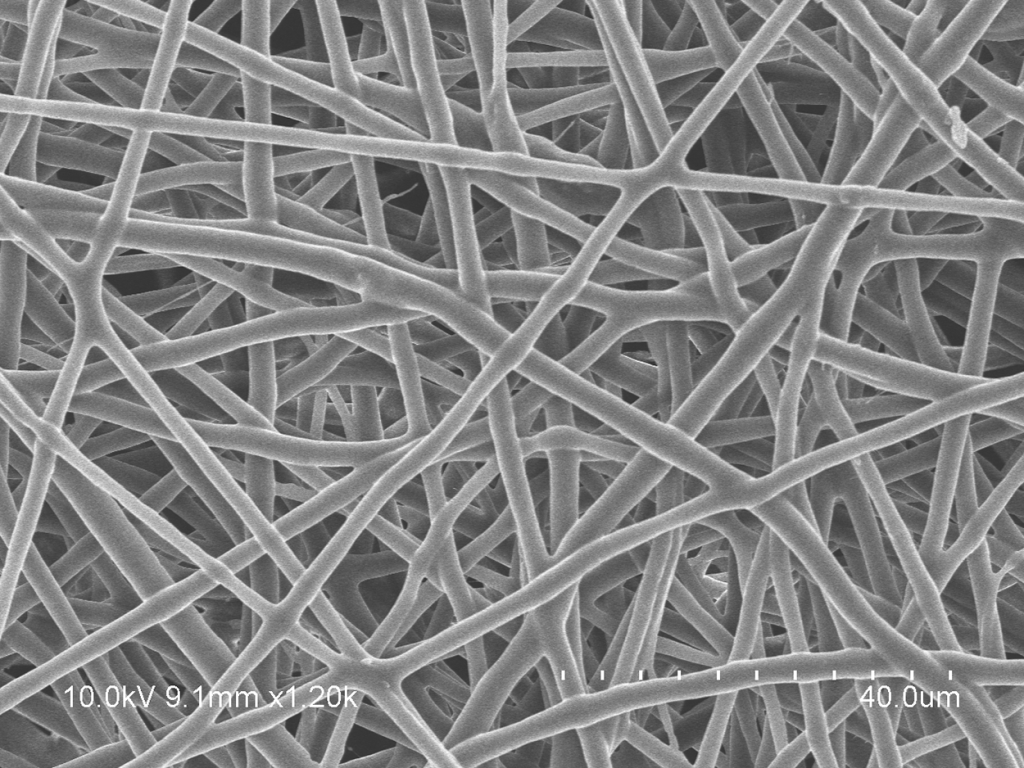
PCL aligned fibers made at 1000 rpm

PCL aligned fibers made at 1000 rpm. Image credit: Nanoscience Instruments.

Fluidnatek’s Capabilities in Implant Interface Nanofiber Development

Translating preclinical findings into practical biomedical applications requires reproducible fabrication platforms capable of controlling fiber morphology, alignment, and polymer composition.

Fluidnatek provides electrospinning systems designed to support:

  • Precise control of polymer blending (e.g., PCL/PEG ratios)
  • Fabrication of aligned nanofiber membranes
  • Reproducible control over fiber diameter and morphology
  • Development of degradable fibrous interface layers

Such platforms enable research teams to replicate and extend experimental configurations similar to those described by Ren et al., facilitating systematic studies on implant–tissue integration and immune modulation.

More information on electrospinning platforms for biomedical research is available at: https://fluidnatek.com/electrospinning-machines/

Conclusion: Toward Immunomodulatory Implant Interfaces

Electrospun fibers as implant interface layers represent a strategic evolution in biomedical surface engineering. Rather than functioning solely as passive structural coatings, these nanofiber membranes can actively influence early immune responses and subsequent tissue remodeling.

The study by Ren et al. demonstrates that tuning hydrophilicity through PCL/PEG blending modulates macrophage gene expression and reduces adhesion formation in a rat tendon injury model. Increased PEG content correlated with reduced inflammatory signaling, enhanced M2-like polarization, and fewer postoperative adhesions. Additionally, higher PEG ratios were associated with structural changes consistent with faster degradation, which may facilitate tissue separation at the interface.

These findings reinforce the concept that surface chemistry and nanoscale architecture are central determinants of implant performance. Continued investigation into electrospun nanofiber interface layers may advance the development of next-generation biomedical implants designed not only for mechanical function, but also for precise biological integration.

References

Ren, Y., et al. (2023). Electrospun fibers as implant interface layer. ElectrospinTech. Retrieved from http://electrospintech.com/implantinterface.html

Zhang, X., Liu, L., Wang, Y., & Chen, H. (2021). Electrospun nanofiber scaffolds in regenerative medicine. Acta Biomaterialia, 134, 123–140. https://doi.org/10.1016/j.actbio.2021.04.010

Li, Q., Yang, J., Zhao, Y., & Wang, L. (2020). Electrospun nanofibers as implant coatings for tissue regeneration. Journal of Biomedical Materials Research Part A, 108(9), 1834–1845.
 

Electrospun Nanofibers for Piezoelectric Power Generation

Piezoelectric Power Generation

Introduction: The Challenge of Low-Power Energy Generation

The rapid expansion of wearable electronics, distributed sensor networks, implantable medical devices, and Internet of Things (IoT) platforms has intensified the demand for decentralized, low-power energy sources. Traditional battery technologies, despite their prevalence, present significant bottlenecks regarding their limited operational lifespan, periodic maintenance, rigid form factors, and environmental concerns related to disposal and replacement.

As electronic devices become smaller, lighter, and more flexible, the energy systems that power them must follow the same trajectory. This technological pressure has accelerated research into wearable energy harvesting strategies capable of converting ambient mechanical energy—such as body motion, vibration, pressure fluctuations, or acoustic waves—into usable electrical power.

Among the different energy harvesting mechanisms (triboelectric, thermoelectric, photovoltaic), piezoelectric power generation has emerged as a particularly attractive approach due to its direct electromechanical coupling, high energy conversion efficiency at small scales, and compatibility with flexible materials. When combined with nanostructured architectures fabricated via electrospinning, piezoelectric materials can reach performance levels suitable for practical autonomous systems.

This article explores how electrospun piezoelectric power generation enables the development of flexible nanogenerators, the materials involved, fabrication strategies, performance considerations, and how Fluidnatek’s electrospinning platforms support this field.

What Is Piezoelectric Power Generation?

Piezoelectricity is the ability of certain materials to generate an electric charge in response to applied mechanical stress. The phenomenon arises from non-centrosymmetric crystal structures or aligned molecular dipoles, which produce charge displacement under deformation.

In energy harvesting applications, mechanical stimuli such as bending, compression, or vibration induce electrical polarization, creating a measurable voltage output. Devices exploiting this mechanism are commonly referred to as piezoelectric nanogenerators (PENGs), a concept introduced in early nanoscale energy harvesting research (Wang & Song, 2006).

Piezoelectric materials can be broadly categorized into:

  • Ceramics (e.g., PZT – lead zirconate titanate), which offer high piezoelectric coefficients but are typically brittle, rigid, and contain lead, raising concerns for flexible and wearable applications as well as for environmentally conscious designs.
  • Polymers (e.g., PVDF and PVDF-TrFE), which are flexible, lightweight, and compatible with thin, conformable form factors.

In the context of wearable and flexible electronics, piezoelectric polymers are favored over lead-based ceramics due to their superior mechanical compliance, facile processability, and inherently higher biocompatibility. Among them, poly(vinylidene fluoride) (PVDF) and its copolymer poly(vinylidene fluoride-co-trifluoroethylene) (PVDF-TrFE) are the most widely studied, particularly when processed into nanofibers via electrospinning to maximize their electroactive β-phase content and molecular alignment.

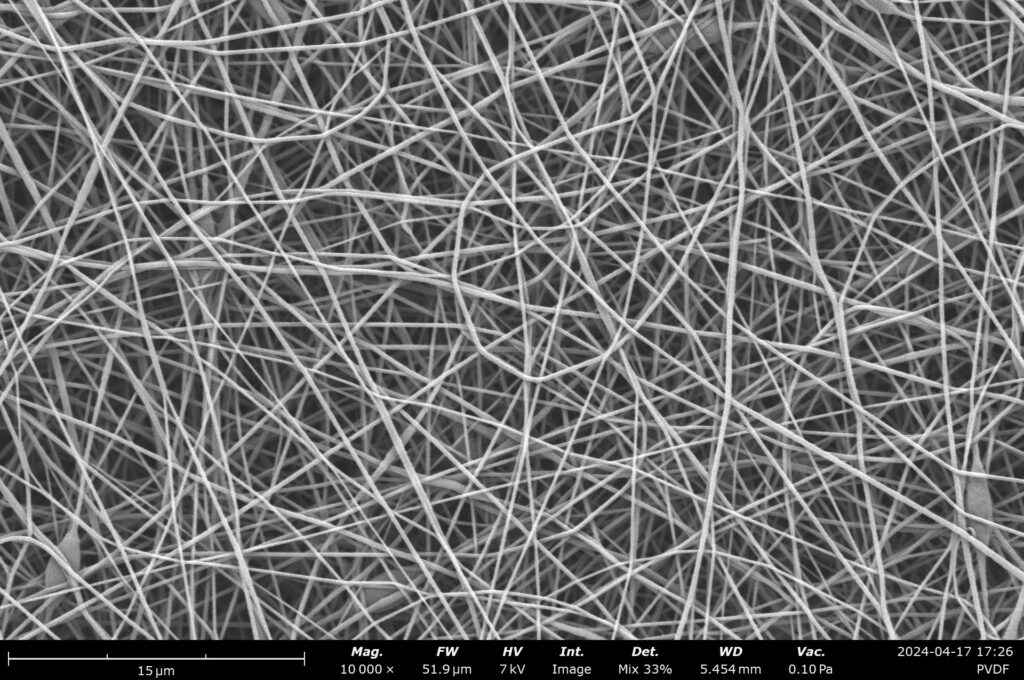
PVDF electrospun nanofibers.

SEM image of PVDF electrospun nanofibers. Image credit: Nanoscience Instruments.

Why Use Electrospun Nanofibers for Piezoelectric Applications?

Electrospinning is a high-voltage fiber fabrication technique capable of producing continuous fibers with diameters ranging from micrometers down to tens of nanometers. The process offers several intrinsic advantages for electrospun piezoelectric nanofibers:

  1. Enhanced β-Phase Formation

During electrospinning, strong electric fields and extensional forces align polymer chains along the fiber axis. In PVDF-based systems, this promotes the formation of the electroactive β-phase, which is responsible for piezoelectric behavior. Electrospinning can substantially increase β-phase content compared to conventional film casting, often reducing or eliminating the need for extensive post-poling treatments (Li & Xia, 2004; Persano et al., 2013).

  1. High Surface-to-Volume Ratio

Nanofibrous mats exhibit large interfacial areas and low bending stiffness. These characteristics enhance mechanical sensitivity and strain-induced polarization, improving voltage output under small deformations.

  1. Mechanical Flexibility

Electrospun membranes are lightweight and flexible, making them ideal for piezoelectric textiles, wearable patches, flexible sensors, and autonomous biomedical devices.

  1. Structural Tunability

Electrospinning enables precise control over fiber diameter, fiber alignment, porosity, multilayer architectures, and composite incorporation (e.g., ceramic nanoparticles). This versatility supports the development of nanofiber-based piezoelectric devices optimized for specific mechanical environments.

For related insights into functional fiber development, visit: https://fluidnatek.com/

Piezoelectric Nanogenerators from Electrospun Fibers

Electrospun fibers can be integrated into flexible device architectures where mechanical deformation induces charge separation. A typical configuration includes an electrospun PVDF or PVDF-TrFE nanofiber mat, top and bottom conductive electrodes, and an encapsulation layer for mechanical protection. Under cyclic bending or compression, the aligned dipoles generate alternating voltage output.

Key performance parameters include open-circuit voltage (Voc), short-circuit current (Isc), power density (µW/cm²), mechanical durability, and frequency response.

Electrospun architectures are particularly advantageous for low-frequency biomechanical energy harvesting (e.g., walking, breathing, joint motion), making them suitable for wearable energy harvesting systems.

Using PVDF and PVDF-TrFE for Energy Harvesting

PVDF nanofibers are the benchmark material in polymer-based piezoelectric systems. Their advantages include high β-phase stabilization under electrospinning, good chemical resistance, mechanical durability, and commercial availability.

PVDF-TrFE further enhances performance due to its intrinsically higher ferroelectric phase content and reduced need for post-processing. Electrospun PVDF-TrFE nanofiber generators typically show improved polarization stability and enhanced output compared to pure PVDF systems (Chang et al., 2010).

In particular, Persano et al. (2013) demonstrated that aligned arrays of electrospun PVDF-TrFE nanofibers can achieve exceptional piezoelectric performance, enabling pressure sensing down to 0.1 Pa and suitability for both energy harvesting and self-powered sensing applications. Aligned fibers exhibit substantially higher piezoelectric output than randomly oriented mats, a finding confirmed across multiple independent studies, as the higher orientation degree accelerates charge transfer along the fiber axis (Persano et al., 2013).

Optimization strategies include controlling solvent systems to tailor crystallinity, adjusting applied voltage and collector distance, using rotating collectors for fiber alignment, and incorporating ceramic fillers (e.g., BaTiO₃ nanoparticles).

Wearable and Autonomous Power Sources with Nanofibers

The integration of electrospun piezoelectric membranes into textiles enables the development of piezoelectric textiles capable of converting body motion into electricity.

Applications include self-powered health monitoring patches, motion detection systems, flexible pressure sensors, and autonomous IoT nodes. Electrospun nanofiber mats can be laminated onto fabrics or directly integrated into multilayer textile architectures. Their mechanical conformity ensures minimal discomfort while maintaining functional output.

For additional insights into smart textile fabrication, see: https://fluidnatek.com/functionalized-fabrics-electrospinning/

Materials and Fabrication Strategies

The performance of electrospun PVDF systems depends strongly on processing parameters. The α→β phase transformation in PVDF—the key transition responsible for piezoelectric activity—is influenced by both mechanical and electrical conditions during fiber formation (Sencadas et al., 2009).

Polymer Solution Parameters

Concentration affects fiber uniformity and bead formation. Solvent volatility influences crystallinity. Additives can modify conductivity and phase behavior.

Electrospinning Parameters

Applied voltage, flow rate, needle-to-collector distance, and ambient humidity and temperature all play critical roles in determining fiber morphology and β-phase content.

Post-Treatments

Thermal treatment promotes crystalline growth, whereas electrostatic poling and mechanical drawing are critical for aligning molecular dipoles and polymer chains orientation. The uniaxial stretching of PVDF films has been documented as a key method for driving the α→β transition (Sencadas et al., 2009), and electrospinning replicates this effect at the fiber scale during the spinning process itself.

Composite Systems

To enhance dielectric and piezoelectric properties, researchers incorporate BaTiO₃ nanoparticles, ZnO nanostructures, and graphene derivatives. Such hybrid systems aim to combine polymer flexibility with ceramic piezoelectric coefficients, increasing output power without sacrificing mechanical compliance.

Performance in Energy Harvesting Applications

Performance metrics in electrospun piezoelectric power generation systems depend on device architecture and testing conditions.

Wang and Song (2006) demonstrated the foundational concept of nanoscale piezoelectric generators using zinc oxide nanowire arrays. Subsequent research has refined polymer-based systems to improve scalability and flexibility.

Persano et al. (2013) reported high-performance flexible devices based on aligned PVDF-TrFE nanofiber arrays capable of detecting pressures as low as 0.1 Pa, demonstrating the suitability of these architectures for both energy harvesting and ultra-sensitive pressure sensing applications. In flexible configurations, electrospun nanofibers have shown stable output over thousands of mechanical cycles, with voltage outputs spanning from a few volts to tens of volts and power densities typically in the µW/cm² range depending on architecture, fiber alignment, and mechanical input frequency in many reported devices (Persano et al., 2013; Chang et al., 2010).

Electrospun architectures are particularly well-suited for:

  • Low-frequency biomechanical energy capture
  • Integration with flexible electronics
  • Hybrid energy harvesting (combined piezoelectric + triboelectric systems)

Importantly, electrospinning offers scalability from laboratory R&D to pilot and industrial production, enabling translation from academic prototypes to commercial devices.

Fluidnatek’s Capabilities for Piezoelectric Nanofiber Development

Fluidnatek provides advanced electrospinning platforms specifically designed for research, pilot-scale production, and industrial manufacturing of functional nanofibers.

The precise high-voltage control offered by Fluidnatek systems directly supports the β-phase promotion mechanisms described above, while rotating and patterned collectors enable the fabrication of aligned nanofiber architectures that, as Persano et al. (2013) demonstrated, are critical for maximizing piezoelectric output. Environmental control of humidity and temperature during spinning addresses the process-sensitive crystallization behavior of PVDF documented by Sencadas et al. (2009).

Key capabilities include:

  • Precise voltage and environmental control
  • Multi-needle and needleless configurations
  • Rotating and patterned collectors for fiber alignment
  • Scalable systems for continuous production
  • Compatibility with PVDF and PVDF-TrFE systems

These systems support development of flexible piezoelectric materials, optimization of fiber morphology, fabrication of aligned nanofiber membranes, and scale-up of nanofiber-based piezoelectric devices. Fluidnatek equipment enables reproducibility, process monitoring, and parameter control essential for advanced materials research.

Explore Fluidnatek’s electrospinning solutions: https://fluidnatek.com/electrospinning-machines/

Conclusion

The multidisciplinary convergence of flexible electronics, wearable technologies, and autonomus sensor systems has intensified the development of miniaturized, high-efficiency energy harvesting strategies. Electrospun piezoelectric generators represent a pivotal advancement in this domain, integrating breakthroughs in material science and nanotechnology with scalable manufacturing. By leveraging electrospinning, researchers can enhance β-phase formation, tailor fiber alignment, and fabricate high-performance PVDF and PVDF-TrFE nanogenerators suitable for real-world applications. The resulting systems support wearable energy harvesting, smart textiles, and self-powered sensing platforms.

As demand for flexible, lightweight, and sustainable power sources grows, electrospun nanofiber architectures will play an increasingly strategic role in next-generation energy systems.

Ready to Create Next-Generation Piezoelectric Materials?

Fluidnatek provides scalable electrospinning solutions for energy harvesting nanofiber systems designed for innovation in wearables and autonomous sensors. Whether your focus is PVDF-TrFE fiber alignment, composite nanogenerators, or piezoelectric textile integration, our team can support your process from lab to production scale.

Contact our team to develop your next electrospun piezoelectric nanogenerator platform.

References

Chang, C., Tran, V. H., Wang, J., Fuh, Y. K., & Lin, L. (2010). Direct-write piezoelectric polymeric nanogenerator with high energy conversion efficiency. Nano Letters, 10(2), 726–731. https://doi.org/10.1021/nl903612n

Li, D., & Xia, Y. (2004). Electrospinning of nanofibers: Reinventing the wheel? Advanced Materials, 16(14), 1151–1170. https://doi.org/10.1002/adma.200400719

Persano, L., Dagdeviren, C., Su, Y., Zhang, Y., Girardo, S., Pisignano, D., Huang, Y., & Rogers, J. A. (2013). High performance piezoelectric devices based on aligned arrays of nanofibers of poly(vinylidenefluoride-co-trifluoroethylene). Nature Communications, 4, 1633. https://doi.org/10.1038/ncomms2639

Sencadas, V., Gregorio, R., & Lanceros-Méndez, S. (2009). α to β phase transformation and microstructural changes of PVDF films induced by uniaxial stretch. Progress in Polymer Science, 34(10), 1003–1033. https://doi.org/10.1016/j.progpolymsci.2009.05.004

Wang, Z. L., & Song, J. (2006). Piezoelectric nanogenerators based on zinc oxide nanowire arrays. Science, 312(5771), 242–246. https://doi.org/10.1126/science.1124005

Biofilm on Electrospun Membranes for Water Purification: Integrating Electrospinning with Biotechnology

Biofilm on Electrospun Membranes for Water Purification

Global deficits in freshwater resources, coupled with the increasing complexity of wastewater streams, represent critical environmental challenges at our time. Traditional membrane filtration is widely used but suffers from limitations related to fouling, low microbial activity support, and reduced operational lifetime. Recent studies demonstrate that biofilm on electrospun membrane scaffolds can significantly improve water purification by harnessing microbial consortia to degrade organic pollutants and remove contaminants.

This article examines how electrospun membranes provide effective scaffolds for biofilm formation and explores their role in microbial water purification, supported by academic research and real experimental evidence.

Introduction — Electrospinning Meets Biotechnology

Electrospinning produces nanofibrous membranes with distinctive features — including extremely high surface area, interconnected porosity, and tunable fiber morphology — that differentiate them from conventional fabrics or nonwoven substrates. These characteristics make electrospun membranes particularly valuable as biological scaffolds for microorganisms to attach, proliferate, and form biofilms that actively contribute to contaminant removal in water treatment systems.

Biofilms are structured communities of microbial cells adhering to surfaces within an extracellular matrix. When established on a membrane, these biofilms can metabolize and transform organic pollutants in wastewater, leading to enhanced purification performance. Recent research indicates that integrating electrospun scaffolds into membrane bioreactor (MBR) systems may enhance biological performance and effluent quality compared to conventional membrane supports.

Electrospun Membranes as Biofilm Scaffolds

Electrospun membranes facilitate rapid and robust biofilm growth compared to traditional nonwoven fabrics. In controlled wastewater immersion experiments, electrospun PAN (polyacrylonitrile) and PAN/PEO (polyethylene oxide) nanofiber membranes exhibited significantly higher biofilm formation than nonwoven materials — with PAN/PEO membranes achieving over 90% surface coverage by day 3, compared to just ~27% for the nonwoven reference.

Studies have demonstrated that electrospun membranes used in submerged membrane bioreactor systems achieved exceptional removal rates: 99% turbidity removal, 99% total suspended solids (TSS) removal, 94% chemical oxygen demand (COD) removal, and 93% ammonium removal. These results significantly outperform the nonwoven membrane supports evaluated in the same study.

Why Electrospun Nanofibers Encourage Biofilm Formation 

Several factors contribute to the superior biofilm formation on electrospun membranes:

  • High porosity and surface area provide abundant attachment sites for microbial cells. The nanofibrous architecture creates significantly more surface area compared to conventional membranes — Electrospun membranes can achieve very high porosity levels, often exceeding 80–90% depending on processing parameters.
  • Enhanced water absorption promotes nutrient availability and microbial adhesion. The hydrophilic nature of materials like PEO increases water retention, sustaining microbial metabolic activity.
  • Fine fiber morphology creates microenvironments conducive to biofilm matrix development. Studies show that fiber diameter and pore size directly influence biofilm architecture — smaller diameter fibers yield more uniform biofilm layers, whereas larger pores result in clustered attachment.

Fiber Characteristics and Biofilm Architecture 

Recent research has demonstrated that biofilm formation is highly sensitive to membrane fiber diameter and pore size. With smaller diameter fibers (300-500 nm), bacteria form uniform biofilm layers on the membrane surface. However, with larger fiber diameters (>900 nm), bacteria tend to form smaller clusters inside the membrane rather than on the surface.

This phenomenon is driven by the physical constraints of microbial cell sizes relative to the membrane pore structure. In the referenced experiments, fiber diameters between approximately 400–800 nm showed balanced surface attachment and porosity. However, optimal values may vary depending on microbial species and reactor configuration.

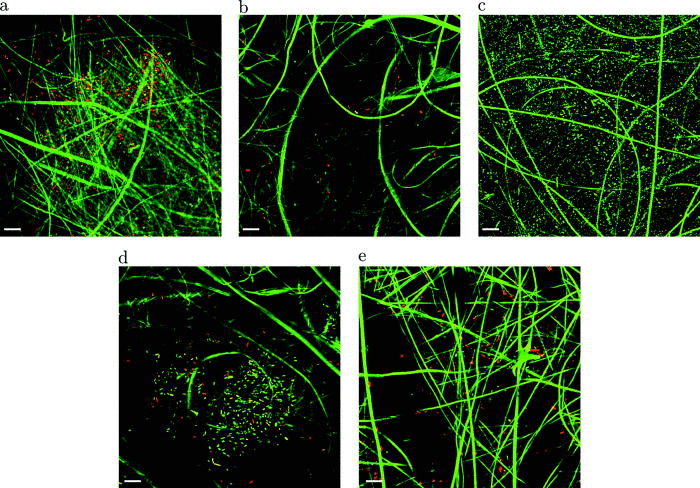
Confocal images of LIVE/DEAD stained E. coli cells

Confocal images of LIVE/DEAD stained E. coli cells onto (a) untreated PS mesh, (b) ppAAc, (c) ppAAm, (d) ppOct, and (e) ppCo meshes after removal from the bacterial agar culture. Scale bar 5 µm. [Abrigo et al. Biointerphases 10, 04A301 (2015); http://dx.doi.org/10.1116/1.4927218 ].

How Biofilms Enhance Water Purification

Biofilm-enabled electrospun membranes improve water treatment via multiple complementary mechanisms that work synergistically to achieve superior purification performance:

Microbial Degradation of Organic Pollutants

Biofilms consist of complex microbial consortia capable of the biochemical degradation of organic substrates present in aqueous waste streams. In experimental systems using PMMA (polymethyl methacrylate) electrospun membranes, biofilm-covered nanofiber scaffolds showed an 80.97% reduction in chemical oxygen demand (COD) within the first two days, with continued improvement thereafter. This showed improved COD reduction compared to nonwoven supports, plateaued at 76.59% COD with no subsequent improvement

The superior performance is attributed to the larger number of microorganisms that can attach to the high surface area of electrospun nanofiber membranes. These microbial communities work collectively to break down complex organic molecules into simpler, less harmful compounds.

Contaminant Removal and Adsorption

Ammonia nitrogen removal was also significantly higher on electrospun biofilm membranes, with PMMA nanofiber biofilm membranes achieving an 18.37% removal rate for ammonia nitrogen, while nonwoven fabric groups actually showed increased ammonia nitrogen concentration. Additionally, Gas adsorption measurements indicated an NH₃ adsorption capacity of 21.37 cm³/g at relative pressure 1.0, reflecting the high surface activity of the nanofibrous structure.

This integration of microbial biotechnology and membrane materials marks an important step beyond purely physical filtration, enabling biologically active water purification systems that can adapt to varying contaminant loads.

Applications in Membrane Bioreactor Systems

Electrospun membranes have found increasing application in advanced membrane bioreactor (MBR) configurations for both municipal and industrial wastewater treatment. The integration of nanofiber technology with MBR systems offers several operational advantages:

  • Reduced footprint — MBR systems are generally known to offer reduced footprint compared to conventional activated sludge processes due to higher biomass concentrations that can be sustained.
  • Superior effluent quality — Near-complete solids retention and reduced bacterial and viral content, enabling direct reuse applications or simplified disinfection requirements.
  • Independent control parameters — Solids retention time (SRT) can be controlled independently from hydraulic retention time (HRT), optimizing both biological performance and throughput.
  • Enhanced flux performance — During short-term filtration tests, electrospun PVDF nanofiber membranes demonstrated better performance than commercial membranes in terms of lower transmembrane pressure (TMP) with excellent flux retention.

Hybrid MBR Configurations with Electrospun Membranes

Advanced configurations integrating electrospun scaffolds with secondary separation technologies exhibit significant synergistic potential. Specifically, MBR systems coupled with nanofiltration (NF) or reverse osmosis (RO) membranes can achieve exceptional water quality suitable for reuse applications.

Under specific experimental conditions, operation at approximately 2 LMH was reported with more than 95% COD removal efficiency. These systems demonstrate the potential for biofilm-based processes to maintain high treatment performance while managing membrane fouling through proper operational control.

Case Studies and Experimental Setups

Electrospun PAN and PAN/PEO Membranes

Comprehensive studies have immersed electrospun membranes in wastewater to track biofilm growth over multiple days, comparing them with conventional fabrics. Results showed accelerated biofilm accumulation on nanofiber scaffolds due to higher porosity and moisture retention, which sustained microbial metabolic activity.

The water-soluble PEO component in PAN/PEO blends plays a crucial role — it increases the membrane’s water absorption capacity, which further encourages biofilm growth. This results in the remarkable 90.36% biofilm coverage achieved within just three days, compared to 82.04% for PAN-only membranes and a mere 27.32% for nonwoven fabrics.

PMMA Nanofiber Biofilm Membranes

Biofilm-coated PMMA membranes achieved greater COD reduction and ammonia nitrogen removal compared to nonwoven substrates, highlighting the direct impact of membrane morphology on purification efficiency. The structural properties of PMMA nanofibers — including good impact and tensile resistance — enhance the mechanical strength of the biofilm carrier surface, making them suitable for long-term operation in demanding wastewater treatment applications.

Real-World Wastewater Treatment Applications

Field testing of electrospun nanofiber MBR systems has demonstrated practical viability. In one case study, wastewater generated during a music festival was treated using a nanofiber-MBR system. The removal of suspended solids (SS), COD, total nitrogen (TN), and total phosphorus (TP) were all within regulatory discharge limits, proving the technology’s robustness under variable real-world conditions.

Challenges and Future Directions

While biofilm formation on electrospun membranes enhances biological purification, several challenges remain that require continued research and development:

Membrane Fouling Management

Membrane fouling and pore occlusion persist as critical operational challenges. Specifically, the proliferation of biofilms can disrupt hydraulic conductivity and pressure gradients during extended operation. To mitigate the elevated capital expenditures and diminished operational longevity associated with biofouling, several remediation strategies have been developed:

  • Surface modifications — Incorporation of nanoparticles or surface treatments to induce hydrophilicity, provide surface charge, and improve water permeability while reducing biofilm antiadhesion.
  • Biomimetic patterns — In some studies, aligned fiber architectures have been associated with measurable reductions in biofilm accumulation.
  • Controlled release systems — Integration of anti-quorum sensing molecules in electrospun fibers has shown promise, with improvements in biofilm reduction and flux increase of over 50% compared to unmodified membranes.

Selective Biofilm Growth Control

Biofilm composition must be managed to favor pollutant-degrading communities while limiting undesirable microbial growth. Research indicates that dissolved oxygen (DO) levels significantly impact biofilm characteristics and subsequent membrane performance. Studies show that maintaining appropriate DO levels (2.5-4.0 mg/L) in MBR systems yield a permeate with a significantly lower concentration of extracellular polymeric substances (EPS) and biopolymers. This reduction effectively mitigates the fouling propensity of the effluent during subsequent downstream processes.

Material Stability and Durability

Recent developments in biodegradable materials also show promising potential. For example, PLA (polylactic acid) nanofiber membranes modified with PEO-based hydrogel layers have demonstrated superhydrophilic behavior under controlled laboratory conditions. In oil–water emulsion separation experiments, these membranes achieved permeance values of approximately 2.1 × 10⁴ L·m⁻²·h⁻¹·bar⁻¹ with separation efficiencies exceeding 99.6%. It is important to note that these performance metrics were obtained in specific oil–water separation tests rather than in biological wastewater treatment systems, and therefore reflect membrane surface wettability and permeability characteristics rather than biofilm-mediated purification performance.

Future Research Priorities

Key areas:

  • Integration with green chemistry principles — Development of membranes incorporating nanomaterials using sustainable methods, though lab-scale/commercial-scale MBR applications remain limited.
  • Smart membrane systems — Combining electrospinning with other technologies such as coating, embedding functional particles, and plasma treatment to create membranes with enhanced or responsive properties.
  • Process intensification — Advanced configurations like membrane aerated biofilm reactors (MABR) and aerobic granular sludge-MBR (AGS-MBR) to achieve better energy efficiency and optimized treatment processes.
  • Scale-up strategies — Transitioning from lab-scale success to pilot and full-scale implementations, addressing challenges in manufacturing consistency, long-term performance monitoring, and economic viability.

Conclusion — Toward Biofilm-Enabled Water Treatment Systems

Electrospun membranes are emerging as powerful platforms for biofilm-mediated water purification. Characterized by ultra-high porosity (≥90%) and tailorable surface chemistry, these scaffolds facilitate robust microbial colonization. Consequently, they represent a pivotal advancement in biotechnological filtration, transitioning from conventional size-exclusion mechanisms to active bio-catalytic separation.

By facilitating biofilm formation and sustaining microbial metabolism, electrospun nanofiber scaffolds offer enhanced contaminant removal, optimized organic degradation, and new avenues for sustainable water treatment. The technology’s demonstrated performance — including 99% TSS removal, 94% COD removal, and >90% biofilm coverage within days — positions it as a promising technology for advancing biological wastewater treatment systems.

As research continues to address challenges in fouling control, material durability, and scale-up, electrospun membrane bioreactor systems are poised to become increasingly important tools in municipal and industrial wastewater treatment, water reuse applications, and environmental remediation.

Partner with Fluidnatek for Advanced Membrane Solutions

Exploring biofilm-based water purification with electrospun membranes? Fluidnatek’s electrospinning platforms enable scalable production of advanced nanofiber scaffolds tailored for biotechnology-driven filtration systems.

Contact us to accelerate your development of functional membrane solutions for environmental and industrial water treatment applications.

👉 Explore Fluidnatek’s Water Treatment Solutions

👉 Learn More About Fluidnatek Electrospinning Technology

👉 View Fluidnatek Product Range for Research and Industrial Applications

References

  1. ElectrospinTech. (2019). Electrospun fibers in Biotechnology. Retrieved from http://electrospintech.com/espinbiotechnology.html
  2. Zhou, L., Zhang, X., Jiang, J., Chen, H., Liu, Y., Wang, X., Li, W., & Zheng, G. (2024). Electrospinning preparation and characterization testing analysis of nanofiber biofilms. AIP Advances, 14, 025336. https://doi.org/10.1063/5.0242163
  3. Zhuo, L., Zhang, X., Jiang, J., Chen, H., Zheng, Y., Wang, X., Li, W., & Zheng, G. (2024). Electrospun PMMA fiber biofilm for the removal of COD and NH₃-N in wastewater. AIP Advances, 14(12), 125005. https://doi.org/10.1063/5.0242163
  4. Tang, Y., et al. (2022). Electrospun Nanofiber-Based Membranes for Water Treatment. Polymers, 14(10), 2004. https://doi.org/10.3390/polym14102004
  5. Ji, K., et al. (2023). Research Progress of Water Treatment Technology Based on Nanofiber Membranes. Polymers, 15(3), 741. https://doi.org/10.3390/polym15030741
  6. ACS Applied Materials & Interfaces. (2022). Electrospun Nanofibrous Membranes Accelerate Biofilm Formation and Probiotic Enrichment, 14(28), 31601-31612. https://doi.org/10.1021/acsami.2c07431
  7. Yusuf, A., et al. (2020). A critical review on nanomaterials membrane bioreactor (NMs-MBR) for wastewater treatment. npj Clean Water, 3, 43. https://doi.org/10.1038/s41545-020-00090-2
  8. Frontiers in Membrane Science and Technology. (2024). Recent advances of membrane-based hybrid membrane bioreactors for wastewater reclamation. https://doi.org/10.3389/frmst.2024.1361433
  9. ACS Omega. (2024). Efficacy of Electrospun Nanofiber Membranes on Fouling Mitigation: A Review. https://doi.org/10.1021/acsomega.2c02081
  10. Science Advances. (2024). Biodegradable electrospinning superhydrophilic nanofiber membranes for ultrafast oil-water separation. https://doi.org/10.1126/sciadv.adh8195
  11. Separation and Purification Technology. (2024). Developments of electrospinning technology in membrane bioreactor: A review. https://doi.org/10.1016/j.seppur.2024.128841
  12. ACS ES&T Water. (2024). Toward Patterned Membranes for Biofouling Mitigation by Electrospinning. https://doi.org/10.1021/acsestwater.5c00279


Electrospun Membrane for Textile Wastewater Treatment

Electrospun Membranes for Textile Wastewater

Introduction – The Challenge of Textile Wastewater

The textile industry is widely recognised as one of the most water-intensive manufacturing sectors. Dyeing and finishing operations generate substantial quantities of effluents containing complex mixtures of synthetic dyes, salts, surfactants, heavy metals, and auxiliary chemicals. These waste streams are particularly persistent due to their high chemical oxygen demand (COD), colour intensity, and the presence of recalcitrant organic molecules such as azo dyes.International organisations, including the World Bank, have identified textile dyeing and finishing processes as major contributors to industrial water pollution, especially in regions with concentrated manufacturing activity. The persistence and toxicity of certain dyes raise environmental and public health concerns, particularly when wastewater treatment infrastructure is insufficient.

Conventional treatment technologies — coagulation–flocculation, biological oxidation, activated carbon adsorption, advanced oxidation processes (AOPs), and membrane filtration — can reduce pollutant loads but often present trade-offs. These include high operational costs, secondary sludge generation, limited removal efficiency for low-molecular-weight dyes, and membrane fouling challenges.

As regulatory standards become more stringent and water reuse strategies gain importance within circular economy frameworks, there is increasing interest in advanced materials capable of enhancing separation efficiency while maintaining scalability. In this context, the electrospun membrane for textile wastewater treatment has emerged as a promising platform within nanofiber membrane technology.

Electrospun Nanofiber Membranes – A New Frontier in Filtration

Electrospinning is a fibre fabrication technique that employs a high-voltage electric field to draw ultrafine fibres from polymer solutions or melts. The resulting nanofiber membranes consist of nonwoven mats with fibre diameters typically ranging from tens of nanometres to several micrometres.

These membranes are characterised by:

  • High porosity (often exceeding 80%)
  • Interconnected pore structures
  • Large specific surface area
  • Tunable fibre diameter and thickness

Key structural advantages

High surface-area-to-volume ratio
The nanoscale diameter of electrospun fibres significantly increases the available surface area, enhancing adsorption interactions with dissolved pollutants such as dyes and metal ions.

Interconnected porous structure
The open, porous morphology enables high permeability compared to dense phase-inversion membranes, facilitating improved water flux under comparable pressure conditions.

Tailorable surface chemistry
Electrospun membranes can be functionalised either during spinning (by polymer blending or nanoparticle incorporation) or post-treatment (plasma, grafting, coating), allowing optimisation for specific wastewater compositions.

In contrast to conventional membranes governed predominantly by size exclusion, electrospun nanofiber membranes offer a versatile platform for integrating adsorptive, sieving, and catalytic functionalities, dictated by their specific material composition and functionalization strategies

Materials Used for Electrospun Membranes in Water Treatment

Material selection plays a decisive role in mechanical stability, chemical resistance, hydrophilicity/hydrophobicity balance, and pollutant interaction.

Polyvinylidene fluoride (PVDF) nanofiber membranes

PVDF is widely used in membrane engineering due to its:

  • Chemical resistance
  • Thermal stability
  • Mechanical robustness

Despite its robust mechanical properties, PVDF exhibits intrinsic hydrophobicity. For aqueous textile wastewater treatment, surface modification or blending with hydrophilic additives is often necessary to improve wettability and reduce fouling.

Studies published in journals such as Separation and Purification Technology and Journal of Membrane Science report effective dye rejection when PVDF electrospun membranes are modified or combined with functional nanoparticles.

Incorporation of photocatalytic fillers such as TiO₂ can enable additional degradation mechanisms under UV irradiation, contributing to colour removal beyond simple filtration.


Polyacrylonitrile (PAN) and polyamide membranes

Polyacrylonitrile (PAN) is frequently used in electrospinning due to:

  • Good spinnability
  • Mechanical strength
  • Reactive nitrile groups

The nitrile functionality can be chemically modified to introduce amine or carboxyl groups, improving affinity for heavy metal ions such as Cu²⁺ or Pb²⁺ through coordination mechanisms.

Functionalised PAN nanofiber membranes have demonstrated promising adsorption capacities for heavy metals and certain dye classes in laboratory-scale studies.


Composite and hybrid membrane architectures

Recent research trends focus on multifunctional composite membranes, where electrospun fibres act as a support or active layer integrating nanomaterials.

Examples include:

  • PVDF/TiO₂ nanofibers for photocatalytic dye degradation
  • PAN/graphene oxide composites enhancing adsorption performance
  • Chitosan-based nanofibers offering inherent affinity for anionic dyes
  • Cellulose acetate electrospun membranes for more sustainable polymer options

These hybrid strategies enable the design of multifunctional membranes that synergistically combine physical sieving with chemical adsorption or catalytic degradation.


Case Example – Poly-CD Nanofibrous Membranes

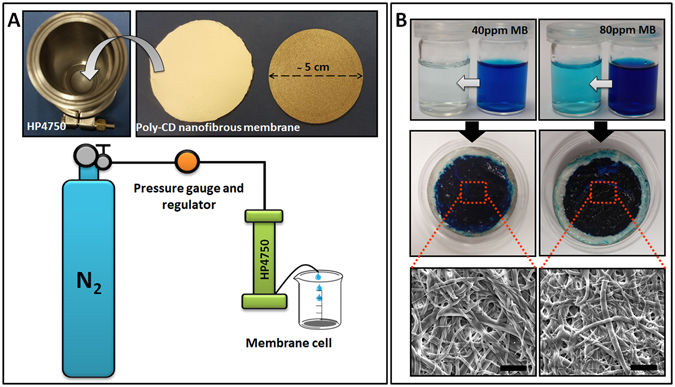
A study by Celebioglu et al. (2017) investigated poly-cyclodextrin (poly-CD) electrospun nanofibrous membranes for dye removal applications.

Using a dead-end filtration system (HP4750), methylene blue (MB) solutions at concentrations of 40 and 80 mg/L were filtered under controlled nitrogen pressure. The study reported:

  • Significant colour reduction in permeate solutions
  • Preservation of nanofibre morphology after filtration
  • Mechanical stability under applied pressure

SEM analysis confirmed that the fibrous structure remained intact, demonstrating that properly engineered nanofibrous membranes can withstand operational stress conditions while maintaining adsorption functionality.

This example highlights the importance of polymer chemistry and structural stability in practical filtration environments.


Advantages in Textile Wastewater Remediation

Electrospun membranes offer several potential advantages over conventional polymeric membranes and adsorption media.

Enhanced Pollutant Interaction

The nanoscale fibre diameter increases the likelihood of contact between pollutants and active sites, supporting improved adsorption-driven removal mechanisms.

High Permeability

Due to their high porosity and interconnected structure, electrospun membranes often exhibit elevated permeability compared to dense membranes fabricated via phase inversion. Several comparative studies report substantially higher water flux values, although performance depends on membrane thickness and operational pressure.

Functionalisation Flexibility

Electrospinning enables the incorporation of nanoparticles, adsorptive fillers, and catalytic agents directly into the fibre matrix. This flexibility supports the development of application-specific membranes tailored to particular textile effluent compositions.

Potential Integration into Multistage Systems

Electrospun membranes can function as:

  • Standalone filtration layers
  • Support structures in composite membrane assemblies
  • Pretreatment stages before reverse osmosis
  • Adsorptive polishing units

Such versatility makes them attractive for modular wastewater treatment strategies.

Filtration performance of poly-CD nanofibrous membrane

Filtration performance of poly-CD nanofibrous membrane. (A) The photographs of membrane cell part of HP4750 dead-end system and the cropped poly-CD nanofibrous membrane with a definite active filtration area (14.6 cm2). The schematic view of HP4750 filtration system. For each test, 50 mL solution is passed through the poly-CD nanofibrous membranes with a definite N2 pressure. Then, the permeated solution is collected in a clear beaker. (B) The visual illustration of the MB solutions prepared at two different MB concentrations (40 and 80 mg/L) before and after filtration test. The photographs and SEM images (scale bar-10 µm) of the poly-CD nanowebs exposed to these two concentrated MB solutions during the experiments. As clearly seen, both the macroscopic visual appearance and the fibrous morphology of poly-CD nanofibers were protected under such applied pressure [Celebioglu et al 2017].

Research Trends and Industrial Considerations

While numerous studies demonstrate laboratory-scale feasibility, challenges remain in translating electrospun nanofiber membranes to full industrial deployment.

Key considerations include:

  • Long-term fouling resistance
  • Mechanical durability under continuous flow
  • Chemical stability in highly saline or alkaline effluents
  • Reusability and regeneration cycles
  • Production scalability

Recent publications in Journal of Membrane Science, Desalination, and Water Research emphasise the need for robust scale-up strategies and standardised testing protocols to enable commercial adoption.

Role of Fluidnatek in Scalable Membrane Development

Scaling electrospun membranes from laboratory prototypes to industrial production requires advanced electrospinning platforms capable of maintaining fibre uniformity and reproducibility.

Fluidnatek provides electrospinning equipment designed for:

  • Controlled fibre diameter distribution
  • Multi-nozzle and free-surface electrospinning
  • Integration of functional fillers
  • Pilot and industrial-scale membrane manufacturing

By supporting both research and scale-up stages, Fluidnatek’s platforms enable development of nanofiber membranes for water treatment applications, including textile wastewater remediation.

More information on electrospinning technologies for separation applications can be found at: https://www.fluidnatek.com

Conclusion – Towards Sustainable Textile Wastewater Treatment

Textile wastewater represents a recalcitrant effluent stream, characterized by significant chemical complexity and inherent variability. While traditional treatment technologies facilitate partial remediation, they frequently exhibit insufficient removal efficiencies for persistent synthetic dyes and dissolved contaminants.

Electrospun nanofiber membranes represent a promising material platform capable of enhancing separation efficiency through high porosity, tunable surface chemistry, and multifunctional design. Laboratory studies demonstrate effective dye adsorption, heavy metal capture, and potential photocatalytic degradation when appropriate materials are employed.

Despite successful laboratory demonstrations, transitioning to industrial-scale application remains contingent upon the development of scalable fabrication techniques and more stringent performance validation

Looking to develop next-generation membranes for advanced wastewater treatment?
👉 Fluidnatek’s electrospinning platforms enable the engineering and scale-up of high-performance nanofiber membranes tailored to industrial filtration challenges. Contact our technical team to explore scalable solutions for textile wastewater treatment.

References

  1. Rocha, J.M., Sousa, R.P.C.L., Fangueiro, R. & Ferreira, D.P. (2024). The Potential of Electrospun Membranes in the Treatment of Textile Wastewater: A Review. Polymers, 16(6), 801. https://doi.org/10.3390/polym16060801
  2. Li, L., Guo, W., Zhang, S., Guo, R. & Zhang, L. (2023). Electrospun Nanofiber Membrane: An Efficient and Environmentally Friendly Material for the Removal of Metals and Dyes. Molecules, 28(8), 3288. https://doi.org/10.3390/molecules28083288
  3. Chen, H., Huang, M., Liu, Y., Meng, L. & Ma, M. (2020). Functionalized Electrospun Nanofiber Membranes for Water Treatment: A Review. Science of The Total Environment, 739, 139944. https://doi.org/10.1016/j.scitotenv.2020.139944
  4. Zhu, Y., et al. (2023). Multifunctional Electrospun Nanofibrous Membrane: An Effective Method for Water Purification. Separation and Purification Technology, 327, 124952. https://doi.org/10.1016/j.seppur.2023.124952
  5. Li, J., Gao, M., Lin, T., Dai, Q., Ao, T. & Chen, W. (2022). Adsorption Treatment of Wastewater by Electrospun Nanofiber Membranes: A Review. Acta Materiae Compositae Sinica, 39(4), 1378–1394. https://doi.org/10.13801/j.cnki.fhclxb.20211008.001
  6. Chitosan‑coated Electrospun PVDF‑ZnO Nanofibrous Membranes for Dye Wastewater Separation. Dye and Pigment, 100281. https://doi.org/10.1016/j.dwt.2024.100281

Tissue Engineering: General Introduction to Electrospun Regenerative Scaffolds

Electrospun Regenerative Scaffolds

Introduction: Tissue Regeneration as a Cornerstone of Modern Medicine

Tissue regeneration has become one of the most transformative paradigms in modern medicine, offering a pathway to repair or replace tissues and organs that have been damaged by trauma, degenerative diseases, or surgical interventions. Instead of relying solely on transplants or prosthetic devices, regenerative medicine leverages endogenous healing mechanisms, supported by biomaterials that act as scaffolding designed to facilitate cellular growth and functional tissue integration. Central to this effort is the concept of the electrospun regenerative scaffold—an engineered three-dimensional structure designed to support cellular attachment, migration, proliferation, and differentiation. These scaffolds not only provide physical support but also replicate the biochemical cues of the extracellular matrix (ECM).

Among all available scaffold fabrication technologies, electrospinning has emerged as a frontrunner, enabling the creation of nanofibrous matrices that closely mimic the fibrous architecture of native tissues. The result is a platform with unparalleled control over fiber size, orientation, porosity, and bioactive incorporation.

The electrospun regenerative scaffold represents a fusion of material science, nanotechnology, and biomedical engineering. Its importance continues to grow as researchers and clinicians seek biomimetic, biodegradable, and functional solutions for complex medical needs—from wound care to bone, vascular, and neural regeneration.

What Are Regenerative Scaffolds and Why Electrospinning Excels

A regenerative scaffold can be defined as a supportive matrix that facilitates the growth of new tissue by providing a temporary environment where cells can adhere, proliferate, differentiate, and eventually remodel the matrix into functional native tissue. To ensure functional efficacy, these scaffolds must adhere to rigorous requirements:

  • Biocompatibility to avoid rejection or inflammation.
  • Biodegradability, with degradation rates matching tissue growth.
  • Tunable porosity and fiber architecture to allow cell infiltration and nutrient flow.
  • Mechanical stability to withstand stresses in the target tissue.
  • Bioactivity, achieved by functionalization with peptides, proteins, or growth factors.

Traditional fabrication methods (e.g., freeze-drying, phase separation) can achieve some of these features but often lack precision. Electrospinning, by contrast, allows the production of nanofiber scaffolds with diameters from ~50 nm to 10-20 μm, offering a morphology highly analogous to the ECM.

The advantages of electrospinning for tissue engineering include:

  • Scalability: From lab-scale single-needle systems to industrial multi-jet and free-surface platforms.
  • Material versatility: Natural, synthetic, and hybrid polymers.
  • Customization: Control of fiber alignment, gradient structures, or multi-layer scaffolds.
  • Surface functionalization: Capability to incorporate growth factors, antimicrobials, or nanoparticles.

This versatility ranks electrospun regenerative scaffolds as the most promising platform for next-generation tissue engineering.

Materials and Design Strategies for Electrospun Tissue Scaffolds

Electrospun regenerative scaffolds can be fabricated from a wide range of natural and synthetic polymers, as well as composite blends that optimize specific properties.

  • Natural polymers: Collagen, gelatin, silk fibroin, hyaluronic acid, and chitosan offer intrinsic biocompatibility and promote cell attachment and signaling.
  • Synthetic polymers: Polycaprolactone (PCL), polylactic acid (PLA), poly(lactic-co-glycolic acid) (PLGA), and polyurethane provide predictable mechanical properties and tunable biodegradability.
  • Blended or composite systems: Hybrid scaffolds combine the strengths of both categories. For example, collagen-PCL scaffolds integrate the bioactivity of collagen with the durability of PCL.

Collagen-PCL Nanofibers for Bone or Skin Regeneration

Hybrid collagen-PCL electrospun nanofibers represent one of the most extensively investigated systems.

 Their nanostructure closely mimics native ECM, promoting osteogenic differentiation in bone models or accelerating re-epithelialization in skin regeneration. By adjusting the ratio of collagen to PCL, researchers can fine-tune mechanical strength, porosity, and degradation kinetics can be precisely tailored to meet specific clinical requirements.

Scaffolds for Nerve Guidance and Wound Healing

Aligned electrospun fibers are particularly effective for guiding neurite outgrowth in nerve regeneration. These scaffolds serve as conduits that not only provide physical direction but also deliver biochemical cues. Similarly, electrospun wound healing matrices can incorporate antimicrobial agents, growth factors, or oxygen-releasing nanoparticles to accelerate recovery in complex wounds.

Advanced Design Strategies

Recent innovations include:

  • Core–shell nanofibers for sustained drug release.
  • Macroporous scaffolds achieved by combining electrospinning with 3D printing or salt-leaching.
  • Gradient scaffolds with varying composition or fiber orientation, mimicking tissue interfaces such as tendon-to-bone junctions.

These design strategies push electrospun regenerative scaffolds closer to clinical translation by addressing challenges in cell infiltration, vascularization, and long-term integration.

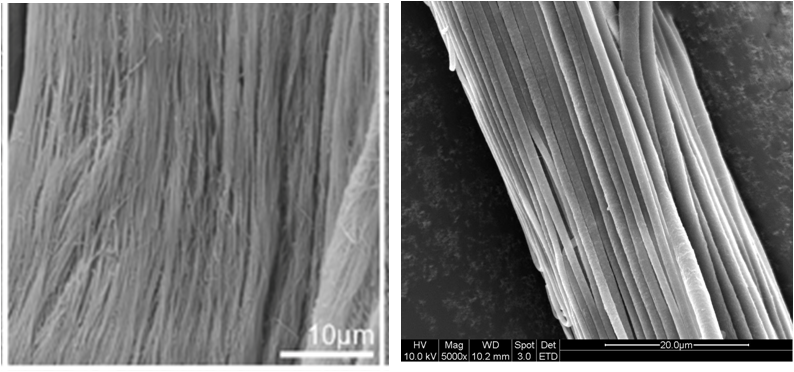
comparison tendon

Comparison between natural tendon ECM [Youngstrom DW et al 2013] and electrospun nanofibrous bundle showing distinct physical similarity.

Biomedical Applications of Electrospun Scaffolds

Electrospun regenerative scaffolds have shown potential across a wide range of biomedical fields:

  • Bone tissue engineering: Promoting osteoconductivity and vascular ingrowth.
  • Cartilage and tendon repair: Supporting load-bearing structures with aligned nanofibers.
  • Vascular grafts: Providing endothelialization surfaces in small-diameter vessels.
  • Neural repair: Guiding axonal regrowth in peripheral nerve injury.
  • Skin and wound healing: Acting as dressings that prevent infection and stimulate healing.
  • Dental and periodontal regeneration: Serving as bioactive membranes.
  • Cardiac and skeletal muscle regeneration: Mimicking anisotropic fiber orientation for contractile tissues.

Internal link suggestion: See more about Fluidnatek’s regenerative medicine solutions.

External references: Tissue Engineering Part A, Biomaterials, ACS Biomaterials Science & Engineering.

Functionalization Strategies: Beyond Structural Support

While structural biomimicry is essential, advanced regenerative scaffolds also require biofunctionalization to actively influence tissue repair.

Growth Factor Incorporation

Electrospun nanofibers can encapsulate growth factors such as VEGF (vascular endothelial growth factor) or BMP-2 (BMP-2 (bone morphogenetic protein-2), releasing them gradually to stimulate angiogenesis or osteogenesis.

Antimicrobial and Antioxidant Functionalization

In wound healing, scaffolds may integrate silver nanoparticles, copper oxide, or natural antimicrobials to prevent infection. Antioxidants such as curcumin or vitamin E-loaded fibers protect cells from oxidative stress.

Drug-Loaded Electrospun Fibers

Controlled drug delivery through electrospun scaffolds allows localized treatment of infections, cancer, or inflammatory conditions, reducing systemic side effects.

Hybrid Platforms with Biofabrication

Recent approaches combine electrospinning with 3D bioprinting or hydrogel integration, producing hybrid platforms where mechanical support and biological function are seamlessly combined.

From Research to Clinic: The Role of Scalable Electrospinning

One of the greatest challenges in tissue engineering is translation from laboratory-scale proof-of-concept to clinical-grade production. This requires reproducibility, scalability, and regulatory compliance.

Fluidnatek’s electrospinning platforms are designed for this transition:

  • Precise process control for fiber morphology and reproducibility.
  • Multi-material spinning enabling gradient scaffolds and functionalized fibers.
  • Closed systems compliant with GMP (Good Manufacturing Practices).
  • Scalability from R&D to pilot and industrial production.

Beyond equipment, success in clinical translation requires meeting regulatory frameworks:

Internal link suggestion: Discover Fluidnatek’s platforms for clinical scaffold development.

Conclusion

The electrospun regenerative scaffold is reshaping the future of tissue engineering, combining biomimicry, versatility, and scalability. From bone and cartilage repair to neural and vascular regeneration, these scaffolds provide an ECM-like environment that supports cell growth and integration. With advanced functionalization strategies, they extend beyond passive matrices to become bioactive, therapeutic platforms.

As clinical translation accelerates, scalable and regulatory-compliant electrospinning systems such as those developed by Fluidnatek are essential to bring laboratory discoveries into hospitals and patient care.

Looking to develop next-generation regenerative scaffolds? Fluidnatek’s electrospinning platforms empower researchers and biomedical companies to design, functionalize, and scale ECM-like nanofiber scaffolds for advanced clinical applications.

References

  1. Owida HA, Safina R, El-Ghobashy M, Elgendy H. Recent Applications of Electrospun Nanofibrous Scaffold in Biomedical Science. Biomedicines. 2022 Feb;10(2):294.
  2. Han S, Kim J, Park J. 3D Electrospun Nanofiber‐Based Scaffolds: From Fabrication to Applications in Tissue Engineering. Int J Polym Sci. 2021;8790143.
  3. Zhang Y, Zhang M, Cheng D, Xu S, Du C, Xie L, Zhao W. Applications of electrospun scaffolds with enlarged pores in tissue engineering. Biomater Sci. 2022 Mar 15;10(6):1423–1447.
  4. Huang T et al. Application and Development of Electrospun Nanofiber Scaffolds for Bone Tissue Engineering. ACS Biomaterials Sci Eng. 2024 Jun.
  5. Ma Y, Zhang W, Chen G. Electrospinning-based bone tissue scaffold construction. Materials & Design. 2025.
  6. Suamte L et al. Electrospun Based Functional Scaffolds for Biomedical Applications. ScienceDirect. 2024.
  7. Fluidnatek. Electrospun scaffolds for bone tissue engineering. 2024.

For further reading, explore featured articles in Biomaterials and Tissue Engineering Part A.

Coming soon, new webinar: “Electrospinning of nanocellulose-stabilized emulsions toward multiphasic fibers”

fibers

Join our upcoming webinar with Dr. Vanessa Oliveira Castro (TUBAF): “Electrospinning of nanocellulose-stabilized emulsions toward multiphasic fibers.”

Date: February 17th, 2026
Time: 5 p.m. CET / 11 a.m. ET / 8 a.m. PT.


Abstract

In Pickering Emulsions (PEs), multiphasic systems are stabilized by particles. By electrospinning, these systems can be converted into fibers that preserve the multiphasic character and are able, for instance, to store active compounds through core-shell architectures. Due to this exceptional ability, such fibers have high promises for advanced material applications in drug delivery, tissue engineering, filtration, or catalysis. This study explores fundamental principles of PE electrospinning based on polysaccharides, such as dextran that later form the multiphasic fiber matrix, and cellulose nanocrystals as emulsion stabilizers. To achieve fiber spinnability, we present strategies for tailoring water-in-water PEs, by selecting suitable water-soluble polymers, or by varying their concentration and the phase ratio, as well as by adapting the concentration of the particle stabilizer. The phase behavior and stability of PEs are analyzed by fluorescence microscopy, using selective dyes for each of the polymer phases. For fiber characterization, scanning electron microscopy (SEM) and transmission electron microscopy (TEM) were used to analyze the fiber morphologies and to confirm the resulting core-shell architecture, respectively. Ultimately, we will show how PE electrospinning can be a promising and, more importantly, scalable alternative to multiaxial electrospinning for the production of multiphasic and functional fibers.

About the speaker

Dr. Vanessa Castro is a material science specialist with a focus on polymers. She obtained her PhD in 2022 from UFSC (Brazil) with a project based on the development of conductive electrospun membranes for nerve regeneration. During the last year of her PhD, she participated in an exchange program at the Institute “Institut National des Sciences Appliquées de Lyon” (France) to investigate the potential of bio-ionic liquids to increase membranes properties, such as biocompatibility. In 2023, she started her postdoc in the Green Functional Materials group, led by Dr. Katja Heise. Her mission in the team was the development of green Pickering emulsions for multiple applications. Since November 2025, she has been the group leader of the BioWin junior research group at Technische Universität Bergakademie Freiberg, Germany. The research is focused on sustainable materials and circular bioeconomy solutions. The work centers on converting agricultural and food-processing residues into high-value polymer-based materials such as films and electrospun membranes, using green chemistry.

About TUBAF

The Technische Universität Bergakademie Freiberg (TUBAF) is a research-oriented technical university with a strong focus on materials science, sustainability, and resource efficiency. Within TUBAF, the Institute for Nanoscale and Biobased Materials (INBM) contributes to this mission by developing innovative nano- and biobased functional materials, linking fundamental research with applications in energy, environmental, and biomedical fields.

More information

Technische Universität Bergakademie Freiberg. Click here for more information.

Sensor to Measure Glucose Level Using Electrospun Nanofibers

Glucose sensor

Introduction: The Need for Innovation in Glucose Biosensors

Diabetes is one of the fastest-growing global health challenges. According to the International Diabetes Federation, more than 540 million adults are currently living with diabetes worldwide, a number projected to increase to 783 million by 2045. Effective management of this chronic condition relies heavily on continuous glucose monitoring (CGM), yet conventional technologies—such as finger-prick tests, strips, or implantable devices—still face limitations in terms of invasiveness, cost, accuracy, and long-term stability.

This unmet need has accelerated research into innovative glucose biosensors capable of non-invasive, real-time, and highly reliable detection. Among the most promising approaches is the glucose sensor using electrospun nanofibers, which combines the benefits of nanotechnology, material science, and biomedicine to enhance sensitivity, response time, and user comfort.

Electrospun nanofibers, with their high surface-to-volume ratio and tunable properties, are revolutionizing biosensor design. They enable efficient enzyme immobilization, rapid analyte diffusion, and seamless integration into wearable or implantable systems—positioning them as a cornerstone of next-generation diabetes management technologies.

Electrospun Nanofibers for Glucose Sensing

Electrospinning is a versatile and scalable technique that produces nanofibers with diameters ranging from a few nanometers to several micrometers. These fibers can be engineered to exhibit high porosity, mechanical flexibility, and chemical functionality, making them an excellent substrate for biosensing.

Key advantages of electrospun nanofibers in glucose biosensors include:

  • High surface area – allowing dense enzyme immobilization and improved signal strength.
  • Porous structure – enabling rapid glucose diffusion for faster response times.
  • Material versatility – compatible with polymers, ceramics, metals, and nanocomposites.
  • Wearability – thin, flexible mats that can be integrated into textiles, skin patches, or microfluidic devices.

By exploiting these properties, researchers have developed nanofiber-based glucose biosensors with superior performance compared to flat-film or bulk-material sensors.

Enzyme-Functionalized Nanofibers for Biosensors

Enzymatic glucose detection remains the most widely adopted mechanism, typically using glucose oxidase (GOx). Immobilizing enzymes on electrospun nanofibers enhances sensor stability and activity. Common strategies include:

  • Physical adsorption – simple but prone to enzyme leaching.
  • Covalent bonding – stronger immobilization, ensuring long-term stability.
  • Encapsulation in core–shell fibers – protection of enzyme activity against denaturation.

Nanofibers are often modified with conductive materials such as polyaniline, graphene, carbon nanotubes, or metallic nanoparticles (silver, copper oxide, platinum). These additives improve electron transfer, lower detection limits, and enhance selectivity.

This synergy—enzyme immobilization on electrospun fibers combined with conductive nanomaterials—has enabled robust, reproducible, and miniaturized glucose sensors.

Fabrication Strategies and Sensor Architecture

The performance of an electrospun glucose sensor depends not only on materials but also on fabrication strategies and device architecture. Electrospinning allows flexible customization of nanofiber morphology and composition to match biosensing needs.

Key approaches include:

  • Blend electrospinning – polymers and functional ingredients (e.g., GOx, nanoparticles) are dissolved in the spinning solution ensuring uniform distribution.
  • Emulsion electrospinning – allows the encapsulation of lipophilic compounds using low-cost hydrophilic polymers and avoids the use of organic solvents.
  • Coaxial electrospinning – generates core–shell nanofibers, where sensitive biomolecules like enzymes are encapsulated in the core, protected from denaturation.
  • Layer-by-layer assembly – stacking nanofiber mats with electrodes or conductive films to create hybrid biosensors.

In sensor architecture, nanofiber mats are typically integrated with flexible electrodes (carbon, gold, indium tin oxide). This creates conformal devices that adhere comfortably to skin or textiles while maintaining robust electrical performance.

Electrospraying, a complementary electrohydrodynamic technique, is also used for precise deposition of enzymes, antibodies, or nanoparticles on nanofiber mats, offering greater reproducibility in biosensor fabrication.

Sensor Performance and Detection Mechanisms

Electrospun nanofiber-based sensors demonstrate remarkable improvements across essential biosensor metrics:

Performance Metrics of Nanofiber Glucose Sensors

  • Sensitivity – high enzyme loading and efficient electron transfer boost signal response.
  • Selectivity – surface chemistry tuning minimizes interference from molecules like ascorbic acid or uric acid.
  • Response time – porous nanofibers facilitate rapid analyte diffusion for near-instantaneous readings.
  • Stability – cross-linked or encapsulated nanofibers protect immobilized enzymes from degradation, extending sensor lifespan.

Enzymatic sensors (based on GOx) typically rely on the detection of hydrogen peroxide generated during glucose oxidation, while non-enzymatic electrospun glucose sensors use metallic nanofibers (fabricated via blend electrospinning technique and subsequent thermal treatment processes) or composites to catalyze glucose oxidation directly—offering improved stability without reliance on enzyme activity.

Recent studies have reported detection limits in the low micromolar (μM) range, wide linearity across physiological glucose concentrations (2–20 mM), and long-term operational stability under continuous monitoring.

From Lab to Wearable: Future of Glucose Monitoring

Electrospun nanofibers are driving innovation from laboratory prototypes toward real-world wearable glucose biosensors.

Key trends include:

  • Textile-based biosensors – electrospun mats integrated into fabrics or patches for discreet, non-invasive monitoring through sweat.
  • Electronic skins – transparent, flexible nanofiber-electrode composites adhered directly to skin for continuous, wireless monitoring.
  • Microfluidic chips – coupling nanofibers with microchannels for multiplexed biomarker analysis.
  • Tear- and saliva-based sensors – contact lenses and oral devices that exploit electrospun nanofibers for alternative biofluids.

These innovations are reshaping glucose monitoring by emphasizing comfort, portability, and user compliance—key factors for patient adoption in everyday life.

Real-World Applications and Future Trends

Electrospun glucose sensors are making their way into multiple biomedical and healthcare domains:

  • Point-of-care diagnostics – rapid, low-cost glucose testing at clinics or pharmacies.
  • Wearable healthcare devices – continuous monitoring integrated into smartwatches, skin patches, or smart textiles.
  • Implantable biosensors – nanofiber-based systems designed for stable, long-term glucose detection in vivo.
  • Telemedicine and IoT – real-time glucose data transmitted wirelessly for predictive analytics using AI.

Future directions highlights:

  • Non-invasive glucose detection using nanofibers in sweat, tears, and interstitial fluid.
  • Multiplexed biosensors for detecting glucose alongside lactate, cortisol, or ketone bodies.
  • Eco-friendly platforms – biodegradable nanofibers reducing medical waste.
  • Mass production scalability – advances in electrospinning systems making industrial manufacturing feasible.

Internal links (example):

  • Electrospun Nanofibers in Medicine
  • Wearable Biosensors: Nanofiber Applications

External references: Journal of Biomedical Nanotechnology, Biosensors and Bioelectronics, Sensors (MDPI), Nature Biomedical Engineering.

How Fluidnatek Enables Biosensor Development

The transition from lab-scale proof-of-concept to scalable, commercial glucose sensors requires high precision, reproducibility, and industrial robustness. This is where Fluidnatek’s electrospinning and electrospraying systems excel.

Key advantages for biosensor developers include:

  • Advanced process control – fine-tuning of voltage, flow rate, humidity, and temperature for reproducible nanofiber morphology.
  • Multi-material capability – simultaneous electrospinning and electrospraying for hybrid architectures (e.g., enzyme immobilization + conductive nanoparticles).
  • Scalability – systems designed from R&D to pilot lines and GMP-ready industrial production.
  • Integration flexibility – compatibility with medical-grade polymers, biocompatible nanomaterials, and flexible substrates.
  • Cleanroom-ready equipment – essential for biomedical device development under regulatory compliance.

By partnering with Fluidnatek, researchers and manufacturers can accelerate the development of nanofiber-based glucose biosensors, from concept validation to industrial deployment, ensuring both scientific excellence and commercial viability.

Conclusion

Glucose sensors using electrospun nanofibers are redefining the future of diabetes monitoring. With unmatched sensitivity, stability, and wearability, they provide a path toward non-invasive, real-time, and patient-friendly glucose management solutions. Advances in electrospinning and electrospraying are enabling reliable biosensors that can seamlessly integrate into everyday life, offering new hope for millions living with diabetes.

Looking to develop advanced glucose sensors using nanofibers?
Fluidnatek’s electrospinning systems provide precise, scalable, and reproducible solutions for next-generation biosensors in medical and wearable applications. Whether you are working on enzyme-functionalized nanofibers, non-invasive wearable devices, or implantable platforms, Fluidnatek empowers you to bridge the gap from research to commercialization.

References

  1. Du Y, Zhang X, Liu P, Yu DG, Ge R. Electrospun nanofiber-based glucose sensors for glucose detection. Frontiers in Chemistry. 2022;10:944428.
  2. Advanced biosensors based on various electrospun nanofiber materials. ScienceDirect. 2024.
  3. Multifunctional Conductive Nanofibers for Self‐Powered Glucose Detection. Advanced Science. 2024.
  4. Electrospun biosensors for biomarker detection. ScienceDirect. 2024.
  5. Electrospun nanofibers and their application as sensors for healthcare. Frontiers in Bioengineering & Biotechnology. 2025.

Case Study — Evonik & VECOLLAN®: Recombinant Collagen Nanofiber Manufacturing Through Electrospinning with Fluidnatek® LE-50

VECOLLAN Fluidnatek

Animal-Free Alternatives in Biomedical Materials

The biomedical sector is undergoing a decisive transition toward fully animal-free materials for regenerative medicine, advanced wound care, and premium cosmetic technologies. This shift is driven not only by ethical considerations but also by growing regulatory requirements for full traceability, pathogen safety, and reproducible manufacturing processes.

In this context, Evonik has developed VECOLLAN®—a recombinant collagen-like peptide designed for biomedical applications. VECOLLAN® is produced through a scalable, reproducible fermentation-based process and offers exceptional purity, safety, and consistency.

In a recent study, Evonik utilized VECOLLAN® to create electrospun meshes using the Fluidnatek® LE-50 equipment—a versatile electrospinning platform for advanced research and pilot-scale process optimization. The LE-50 enabled a coaxial electrospinning setup, placing VECOLLAN® in the fiber core while distributing a controlled crosslinking agent in the outer shell. This configuration delivered three key benefits:

  • Enhanced mechanical stability of the scaffold
  • Reduced swelling in biological environments
  • Tunable dissolution behavior

These properties are critical for implantable devices, controlled drug-release platforms, and next-generation wound care solutions.

This case study demonstrates how Fluidnatek® systems empower the development of next-generation biomaterials—consistent, safe, sustainable. The LE-50’s flexibility, environmental control, and compatibility with post-processing integrations make it an essential tool for organizations seeking to accelerate innovation while minimizing process risk and time to market.

👉 Official Evonik publication: Recombinant collagen platforms 

  1. Krauss C, Montero Mirabet M, Zhang JF, Mader K. Electrospinning of animal-free derived collagen-like protein: Development and characterization of VECOLLAN(R)- nanofibers for biomedical applications. Int J Pharm X. 2025;10:100398.

Fluidnatek Strengthens Its Commitment to Biomedical Innovation at COMPAMED 2025

Fluidnatek COMPAMED 2025

Fluidnatek successfully participated in MEDICA-COMPAMED 2025, the leading international event for the healthcare industry, which brought together over 5,300 exhibitors from 70 nations and attracted 78,000 professional visitors from November 17 to 20 in Düsseldorf. This participation provided a valuable opportunity to connect with the international scientific community and gain deeper insights into the trends shaping the future of biomedical applications.

A Strategic Encounter with the Global Healthcare Ecosystem

From Stand 8bK34 in Hall 8B at COMPAMED, our team conducted live demonstrations of the LE-50 Gen2 system throughout all four days of the fair, allowing visitors to experience firsthand the capabilities of electrospinning technology and establish meaningful connections with top-level professionals in the sector. The fair, which adopted the theme “Meet Health. Future. People.” this year, consolidated its position as an essential meeting point for healthcare industry decision-makers. According to the organizers’ data, three-quarters of professional visitors belong to senior management at their companies or organizations, and 75% traveled from 160 different countries, confirming the truly global reach of the event.

The intensive days in Düsseldorf proved particularly enriching for Fluidnatek. The dynamic exchanges with visitors from different regions around the world provided valuable perspectives on current challenges in the biomedical sector and emerging needs in areas such as tissue engineering, regenerative medicine, and advanced drug delivery systems.

Key Learnings for Future Development

Participation in MEDICA-COMPAMED 2025 enabled Fluidnatek to identify important trends that will guide our technological development in the coming years:

Tissue Regeneration and Personalized Medicine: Conversations with researchers and clinical professionals revealed a growing demand for more versatile solutions for creating 2D and 3D scaffolds tailored to specific applications, from bone and cartilage regeneration to vascular engineering.

Advanced Wound Healing: The interest shown in next-generation wound dressings with superior healing properties underscores the need to continue innovating in functional materials that integrate antimicrobial capabilities, growth factors, and controlled release of active ingredients.

Smart Medical Devices: The integration of specialized coatings in medical devices with complex geometries emerges as a high-potential area, particularly in implants and devices with prolonged tissue contact.

Controlled Release Platforms: The development of drug delivery systems based on functionalized nanofibers remains a field of great interest, particularly in oncology, chronic disease treatment, and localized therapies.

Strategic Collaborations and Industry Synergies

One of the most valuable aspects of participating in COMPAMED has been the opportunity to establish dialogues with leading companies in the sector.
This environment has allowed Fluidnatek to position itself as a technology partner specializing in electrospinning and electrospraying processes, with capabilities ranging from biomedical research to applications in pharmacy, cosmetics, filtration, energy, and new materials.

Looking Toward the Future of Biomedicine

The experience at MEDICA-COMPAMED 2025 reinforces Fluidnatek’s vision of the transformative role that nanofiber technologies can play in the medicine of the future. The conversations held during the fair provided valuable insights into the directions in which the biomedical sector is evolving:

  • The growing demand for solutions for organoids and complex tissue models that enable advances in personalized medicine and more predictive preclinical trials.
  • Interest in sterile applications and systems that ensure maximum safety for implants and devices in direct contact with the organism.
  • The need for scalability and reproducibility in the manufacturing of advanced biomedical materials.
  • The integration of multiple functionalities into a single technological platform, combining mechanical, biological, and pharmacological properties.


COMPAMED_booth

Becky Thunio and Enrique Navarro at the Fluidnatek booth during COMPAMED 2025.

Ongoing Commitment to Innovation

The next edition of MEDICA and COMPAMED will take place from November 16 to 19, 2026, in Düsseldorf. The organizers have announced they will continue developing both events toward greater integration, leveraging synergies and expanding their international relevance, with the goal of facilitating even more intensive interdisciplinary dialogue among industry, science, politics, and clinical practice.

For Fluidnatek, participation in MEDICA-COMPAMED is not simply an exhibition opportunity, but an ongoing commitment to learning, collaborative innovation, and developing solutions that respond to the real needs of the biomedical sector. The knowledge acquired at this edition will guide our R&D efforts and allow us to remain a reference in electrospinning technologies for the advancement of biomedical applications.

We thank all the professionals who visited our stand and shared their experiences and visions about the future of biomedicine. These exchanges are fundamental to continuing the development of technologies that truly make a difference in people’s health and well-being.

Fluidnatek at DGBM 2025: Shaping the Future of Biomedical Materials

The German Society for Biomaterials 2025 (DGBM) conference in Dresden has wrapped up, leaving us inspired and grateful for the vibrant exchange of knowledge with leading experts in biomaterials and regenerative medicine.

A heartfelt thank you to the DGBM organization for hosting such an impactful event and to every delegate who contributed to deep discussions around the future of electrospun nanofibers and their role in innovative therapies and advanced drug delivery.

Fluidnatek is proud to strengthen its positioning in the biomedical community and to continue revolutionizing nanofiber solutions with cutting-edge electrospinning technology. Special thanks to our colleagues Becky Tunio (KAM) and Enrique Navarro (Sales & Marketing Manager) for representing our commitment and expertise on-site.

Let’s keep pushing the boundaries of innovation together!

More about the event: https://www.dgbm-kongress.de/

Becky Tunio and Enrique Navarro Alonso, at DGBM 2025.

INTERESTED? CONTACT OUR SPECIALISTS!