Author Archives: Vicente Zaragozá

Coming soon, new webinar: “Electrospinning of nanocellulose-stabilized emulsions toward multiphasic fibers”

fibers

Join our upcoming webinar with Dr. Vanessa Oliveira Castro (TUBAF): “Electrospinning of nanocellulose-stabilized emulsions toward multiphasic fibers.”

Date: February 17th, 2026
Time: 5 p.m. CET / 11 a.m. ET / 8 a.m. PT.


Abstract

In Pickering Emulsions (PEs), multiphasic systems are stabilized by particles. By electrospinning, these systems can be converted into fibers that preserve the multiphasic character and are able, for instance, to store active compounds through core-shell architectures. Due to this exceptional ability, such fibers have high promises for advanced material applications in drug delivery, tissue engineering, filtration, or catalysis. This study explores fundamental principles of PE electrospinning based on polysaccharides, such as dextran that later form the multiphasic fiber matrix, and cellulose nanocrystals as emulsion stabilizers. To achieve fiber spinnability, we present strategies for tailoring water-in-water PEs, by selecting suitable water-soluble polymers, or by varying their concentration and the phase ratio, as well as by adapting the concentration of the particle stabilizer. The phase behavior and stability of PEs are analyzed by fluorescence microscopy, using selective dyes for each of the polymer phases. For fiber characterization, scanning electron microscopy (SEM) and transmission electron microscopy (TEM) were used to analyze the fiber morphologies and to confirm the resulting core-shell architecture, respectively. Ultimately, we will show how PE electrospinning can be a promising and, more importantly, scalable alternative to multiaxial electrospinning for the production of multiphasic and functional fibers.

About the speaker

Dr. Vanessa Castro is a material science specialist with a focus on polymers. She obtained her PhD in 2022 from UFSC (Brazil) with a project based on the development of conductive electrospun membranes for nerve regeneration. During the last year of her PhD, she participated in an exchange program at the Institute “Institut National des Sciences Appliquées de Lyon” (France) to investigate the potential of bio-ionic liquids to increase membranes properties, such as biocompatibility. In 2023, she started her postdoc in the Green Functional Materials group, led by Dr. Katja Heise. Her mission in the team was the development of green Pickering emulsions for multiple applications. Since November 2025, she has been the group leader of the BioWin junior research group at Technische Universität Bergakademie Freiberg, Germany. The research is focused on sustainable materials and circular bioeconomy solutions. The work centers on converting agricultural and food-processing residues into high-value polymer-based materials such as films and electrospun membranes, using green chemistry.

About TUBAF

The Technische Universität Bergakademie Freiberg (TUBAF) is a research-oriented technical university with a strong focus on materials science, sustainability, and resource efficiency. Within TUBAF, the Institute for Nanoscale and Biobased Materials (INBM) contributes to this mission by developing innovative nano- and biobased functional materials, linking fundamental research with applications in energy, environmental, and biomedical fields.

More information

Technische Universität Bergakademie Freiberg. Click here for more information.

Sensor to Measure Glucose Level Using Electrospun Nanofibers

Glucose sensor

Introduction: The Need for Innovation in Glucose Biosensors

Diabetes is one of the fastest-growing global health challenges. According to the International Diabetes Federation, more than 540 million adults are currently living with diabetes worldwide, a number projected to increase to 783 million by 2045. Effective management of this chronic condition relies heavily on continuous glucose monitoring (CGM), yet conventional technologies—such as finger-prick tests, strips, or implantable devices—still face limitations in terms of invasiveness, cost, accuracy, and long-term stability.

This unmet need has accelerated research into innovative glucose biosensors capable of non-invasive, real-time, and highly reliable detection. Among the most promising approaches is the glucose sensor using electrospun nanofibers, which combines the benefits of nanotechnology, material science, and biomedicine to enhance sensitivity, response time, and user comfort.

Electrospun nanofibers, with their high surface-to-volume ratio and tunable properties, are revolutionizing biosensor design. They enable efficient enzyme immobilization, rapid analyte diffusion, and seamless integration into wearable or implantable systems—positioning them as a cornerstone of next-generation diabetes management technologies.

Electrospun Nanofibers for Glucose Sensing

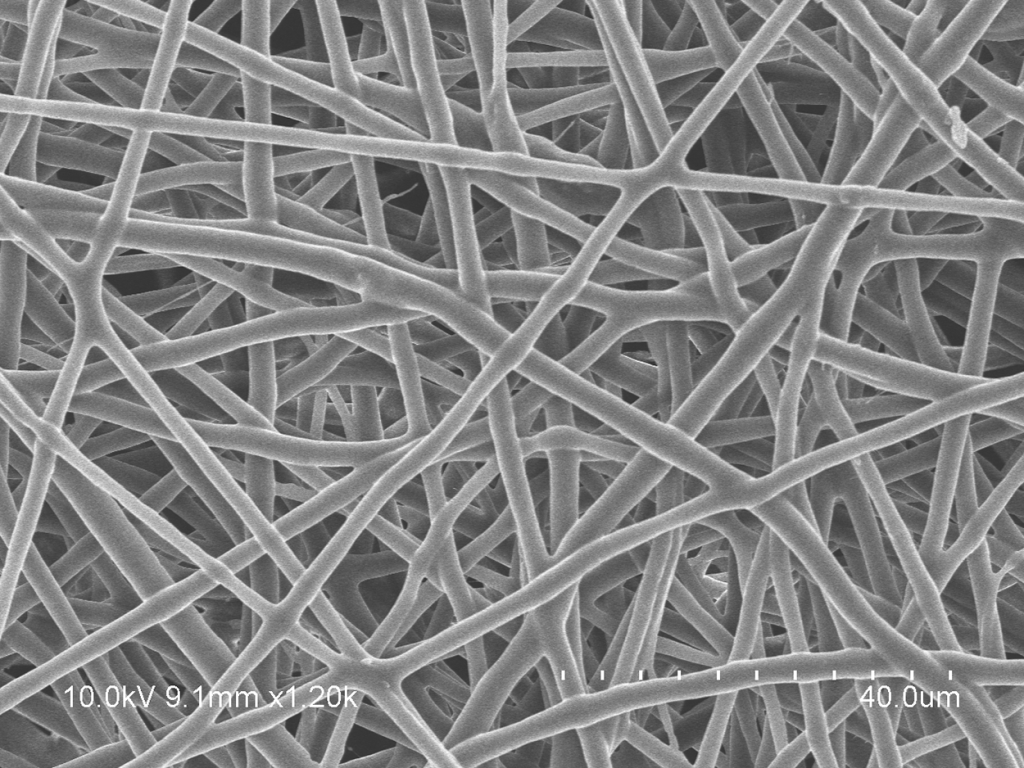
Electrospinning is a versatile and scalable technique that produces nanofibers with diameters ranging from a few nanometers to several micrometers. These fibers can be engineered to exhibit high porosity, mechanical flexibility, and chemical functionality, making them an excellent substrate for biosensing.

Key advantages of electrospun nanofibers in glucose biosensors include:

  • High surface area – allowing dense enzyme immobilization and improved signal strength.
  • Porous structure – enabling rapid glucose diffusion for faster response times.
  • Material versatility – compatible with polymers, ceramics, metals, and nanocomposites.
  • Wearability – thin, flexible mats that can be integrated into textiles, skin patches, or microfluidic devices.

By exploiting these properties, researchers have developed nanofiber-based glucose biosensors with superior performance compared to flat-film or bulk-material sensors.

Enzyme-Functionalized Nanofibers for Biosensors

Enzymatic glucose detection remains the most widely adopted mechanism, typically using glucose oxidase (GOx). Immobilizing enzymes on electrospun nanofibers enhances sensor stability and activity. Common strategies include:

  • Physical adsorption – simple but prone to enzyme leaching.
  • Covalent bonding – stronger immobilization, ensuring long-term stability.
  • Encapsulation in core–shell fibers – protection of enzyme activity against denaturation.

Nanofibers are often modified with conductive materials such as polyaniline, graphene, carbon nanotubes, or metallic nanoparticles (silver, copper oxide, platinum). These additives improve electron transfer, lower detection limits, and enhance selectivity.

This synergy—enzyme immobilization on electrospun fibers combined with conductive nanomaterials—has enabled robust, reproducible, and miniaturized glucose sensors.

Fabrication Strategies and Sensor Architecture

The performance of an electrospun glucose sensor depends not only on materials but also on fabrication strategies and device architecture. Electrospinning allows flexible customization of nanofiber morphology and composition to match biosensing needs.

Key approaches include:

  • Blend electrospinning – polymers and functional ingredients (e.g., GOx, nanoparticles) are dissolved in the spinning solution ensuring uniform distribution.
  • Emulsion electrospinning – allows the encapsulation of lipophilic compounds using low-cost hydrophilic polymers and avoids the use of organic solvents.
  • Coaxial electrospinning – generates core–shell nanofibers, where sensitive biomolecules like enzymes are encapsulated in the core, protected from denaturation.
  • Layer-by-layer assembly – stacking nanofiber mats with electrodes or conductive films to create hybrid biosensors.

In sensor architecture, nanofiber mats are typically integrated with flexible electrodes (carbon, gold, indium tin oxide). This creates conformal devices that adhere comfortably to skin or textiles while maintaining robust electrical performance.

Electrospraying, a complementary electrohydrodynamic technique, is also used for precise deposition of enzymes, antibodies, or nanoparticles on nanofiber mats, offering greater reproducibility in biosensor fabrication.

Sensor Performance and Detection Mechanisms

Electrospun nanofiber-based sensors demonstrate remarkable improvements across essential biosensor metrics:

Performance Metrics of Nanofiber Glucose Sensors

  • Sensitivity – high enzyme loading and efficient electron transfer boost signal response.
  • Selectivity – surface chemistry tuning minimizes interference from molecules like ascorbic acid or uric acid.
  • Response time – porous nanofibers facilitate rapid analyte diffusion for near-instantaneous readings.
  • Stability – cross-linked or encapsulated nanofibers protect immobilized enzymes from degradation, extending sensor lifespan.

Enzymatic sensors (based on GOx) typically rely on the detection of hydrogen peroxide generated during glucose oxidation, while non-enzymatic electrospun glucose sensors use metallic nanofibers (fabricated via blend electrospinning technique and subsequent thermal treatment processes) or composites to catalyze glucose oxidation directly—offering improved stability without reliance on enzyme activity.

Recent studies have reported detection limits in the low micromolar (μM) range, wide linearity across physiological glucose concentrations (2–20 mM), and long-term operational stability under continuous monitoring.

From Lab to Wearable: Future of Glucose Monitoring

Electrospun nanofibers are driving innovation from laboratory prototypes toward real-world wearable glucose biosensors.

Key trends include:

  • Textile-based biosensors – electrospun mats integrated into fabrics or patches for discreet, non-invasive monitoring through sweat.
  • Electronic skins – transparent, flexible nanofiber-electrode composites adhered directly to skin for continuous, wireless monitoring.
  • Microfluidic chips – coupling nanofibers with microchannels for multiplexed biomarker analysis.
  • Tear- and saliva-based sensors – contact lenses and oral devices that exploit electrospun nanofibers for alternative biofluids.

These innovations are reshaping glucose monitoring by emphasizing comfort, portability, and user compliance—key factors for patient adoption in everyday life.

Real-World Applications and Future Trends

Electrospun glucose sensors are making their way into multiple biomedical and healthcare domains:

  • Point-of-care diagnostics – rapid, low-cost glucose testing at clinics or pharmacies.
  • Wearable healthcare devices – continuous monitoring integrated into smartwatches, skin patches, or smart textiles.
  • Implantable biosensors – nanofiber-based systems designed for stable, long-term glucose detection in vivo.
  • Telemedicine and IoT – real-time glucose data transmitted wirelessly for predictive analytics using AI.

Future directions highlights:

  • Non-invasive glucose detection using nanofibers in sweat, tears, and interstitial fluid.
  • Multiplexed biosensors for detecting glucose alongside lactate, cortisol, or ketone bodies.
  • Eco-friendly platforms – biodegradable nanofibers reducing medical waste.
  • Mass production scalability – advances in electrospinning systems making industrial manufacturing feasible.

Internal links (example):

  • Electrospun Nanofibers in Medicine
  • Wearable Biosensors: Nanofiber Applications

External references: Journal of Biomedical Nanotechnology, Biosensors and Bioelectronics, Sensors (MDPI), Nature Biomedical Engineering.

How Fluidnatek Enables Biosensor Development

The transition from lab-scale proof-of-concept to scalable, commercial glucose sensors requires high precision, reproducibility, and industrial robustness. This is where Fluidnatek’s electrospinning and electrospraying systems excel.

Key advantages for biosensor developers include:

  • Advanced process control – fine-tuning of voltage, flow rate, humidity, and temperature for reproducible nanofiber morphology.
  • Multi-material capability – simultaneous electrospinning and electrospraying for hybrid architectures (e.g., enzyme immobilization + conductive nanoparticles).
  • Scalability – systems designed from R&D to pilot lines and GMP-ready industrial production.
  • Integration flexibility – compatibility with medical-grade polymers, biocompatible nanomaterials, and flexible substrates.
  • Cleanroom-ready equipment – essential for biomedical device development under regulatory compliance.

By partnering with Fluidnatek, researchers and manufacturers can accelerate the development of nanofiber-based glucose biosensors, from concept validation to industrial deployment, ensuring both scientific excellence and commercial viability.

Conclusion

Glucose sensors using electrospun nanofibers are redefining the future of diabetes monitoring. With unmatched sensitivity, stability, and wearability, they provide a path toward non-invasive, real-time, and patient-friendly glucose management solutions. Advances in electrospinning and electrospraying are enabling reliable biosensors that can seamlessly integrate into everyday life, offering new hope for millions living with diabetes.

Looking to develop advanced glucose sensors using nanofibers?
Fluidnatek’s electrospinning systems provide precise, scalable, and reproducible solutions for next-generation biosensors in medical and wearable applications. Whether you are working on enzyme-functionalized nanofibers, non-invasive wearable devices, or implantable platforms, Fluidnatek empowers you to bridge the gap from research to commercialization.

References

  1. Du Y, Zhang X, Liu P, Yu DG, Ge R. Electrospun nanofiber-based glucose sensors for glucose detection. Frontiers in Chemistry. 2022;10:944428.
  2. Advanced biosensors based on various electrospun nanofiber materials. ScienceDirect. 2024.
  3. Multifunctional Conductive Nanofibers for Self‐Powered Glucose Detection. Advanced Science. 2024.
  4. Electrospun biosensors for biomarker detection. ScienceDirect. 2024.
  5. Electrospun nanofibers and their application as sensors for healthcare. Frontiers in Bioengineering & Biotechnology. 2025.

Case Study — Evonik & VECOLLAN®: Recombinant Collagen Nanofiber Manufacturing Through Electrospinning with Fluidnatek® LE-50

VECOLLAN Fluidnatek

Animal-Free Alternatives in Biomedical Materials

The biomedical sector is undergoing a decisive transition toward fully animal-free materials for regenerative medicine, advanced wound care, and premium cosmetic technologies. This shift is driven not only by ethical considerations but also by growing regulatory requirements for full traceability, pathogen safety, and reproducible manufacturing processes.

In this context, Evonik has developed VECOLLAN®—a recombinant collagen-like peptide designed for biomedical applications. VECOLLAN® is produced through a scalable, reproducible fermentation-based process and offers exceptional purity, safety, and consistency.

In a recent study, Evonik utilized VECOLLAN® to create electrospun meshes using the Fluidnatek® LE-50 equipment—a versatile electrospinning platform for advanced research and pilot-scale process optimization. The LE-50 enabled a coaxial electrospinning setup, placing VECOLLAN® in the fiber core while distributing a controlled crosslinking agent in the outer shell. This configuration delivered three key benefits:

  • Enhanced mechanical stability of the scaffold
  • Reduced swelling in biological environments
  • Tunable dissolution behavior

These properties are critical for implantable devices, controlled drug-release platforms, and next-generation wound care solutions.

This case study demonstrates how Fluidnatek® systems empower the development of next-generation biomaterials—consistent, safe, sustainable. The LE-50’s flexibility, environmental control, and compatibility with post-processing integrations make it an essential tool for organizations seeking to accelerate innovation while minimizing process risk and time to market.

👉 Official Evonik publication: Recombinant collagen platforms 

  1. Krauss C, Montero Mirabet M, Zhang JF, Mader K. Electrospinning of animal-free derived collagen-like protein: Development and characterization of VECOLLAN(R)- nanofibers for biomedical applications. Int J Pharm X. 2025;10:100398.

Fluidnatek Strengthens Its Commitment to Biomedical Innovation at COMPAMED 2025

Fluidnatek COMPAMED 2025

Fluidnatek successfully participated in MEDICA-COMPAMED 2025, the leading international event for the healthcare industry, which brought together over 5,300 exhibitors from 70 nations and attracted 78,000 professional visitors from November 17 to 20 in Düsseldorf. This participation provided a valuable opportunity to connect with the international scientific community and gain deeper insights into the trends shaping the future of biomedical applications.

A Strategic Encounter with the Global Healthcare Ecosystem

From Stand 8bK34 in Hall 8B at COMPAMED, our team conducted live demonstrations of the LE-50 Gen2 system throughout all four days of the fair, allowing visitors to experience firsthand the capabilities of electrospinning technology and establish meaningful connections with top-level professionals in the sector. The fair, which adopted the theme “Meet Health. Future. People.” this year, consolidated its position as an essential meeting point for healthcare industry decision-makers. According to the organizers’ data, three-quarters of professional visitors belong to senior management at their companies or organizations, and 75% traveled from 160 different countries, confirming the truly global reach of the event.

The intensive days in Düsseldorf proved particularly enriching for Fluidnatek. The dynamic exchanges with visitors from different regions around the world provided valuable perspectives on current challenges in the biomedical sector and emerging needs in areas such as tissue engineering, regenerative medicine, and advanced drug delivery systems.

Key Learnings for Future Development

Participation in MEDICA-COMPAMED 2025 enabled Fluidnatek to identify important trends that will guide our technological development in the coming years:

Tissue Regeneration and Personalized Medicine: Conversations with researchers and clinical professionals revealed a growing demand for more versatile solutions for creating 2D and 3D scaffolds tailored to specific applications, from bone and cartilage regeneration to vascular engineering.

Advanced Wound Healing: The interest shown in next-generation wound dressings with superior healing properties underscores the need to continue innovating in functional materials that integrate antimicrobial capabilities, growth factors, and controlled release of active ingredients.

Smart Medical Devices: The integration of specialized coatings in medical devices with complex geometries emerges as a high-potential area, particularly in implants and devices with prolonged tissue contact.

Controlled Release Platforms: The development of drug delivery systems based on functionalized nanofibers remains a field of great interest, particularly in oncology, chronic disease treatment, and localized therapies.

Strategic Collaborations and Industry Synergies

One of the most valuable aspects of participating in COMPAMED has been the opportunity to establish dialogues with leading companies in the sector.
This environment has allowed Fluidnatek to position itself as a technology partner specializing in electrospinning and electrospraying processes, with capabilities ranging from biomedical research to applications in pharmacy, cosmetics, filtration, energy, and new materials.

Looking Toward the Future of Biomedicine

The experience at MEDICA-COMPAMED 2025 reinforces Fluidnatek’s vision of the transformative role that nanofiber technologies can play in the medicine of the future. The conversations held during the fair provided valuable insights into the directions in which the biomedical sector is evolving:

  • The growing demand for solutions for organoids and complex tissue models that enable advances in personalized medicine and more predictive preclinical trials.
  • Interest in sterile applications and systems that ensure maximum safety for implants and devices in direct contact with the organism.
  • The need for scalability and reproducibility in the manufacturing of advanced biomedical materials.
  • The integration of multiple functionalities into a single technological platform, combining mechanical, biological, and pharmacological properties.


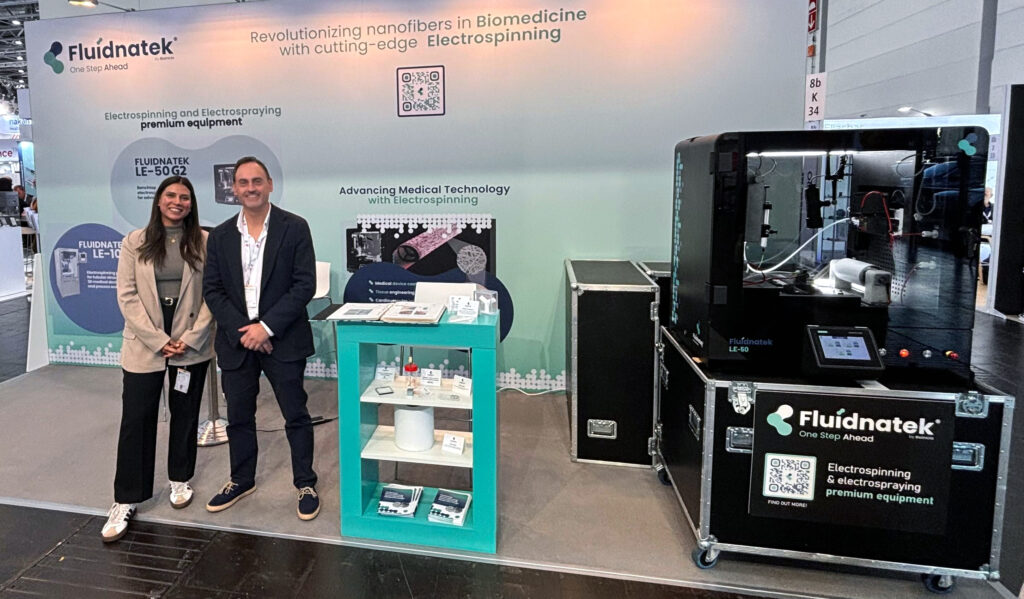
COMPAMED_booth

Becky Thunio and Enrique Navarro at the Fluidnatek booth during COMPAMED 2025.

Ongoing Commitment to Innovation

The next edition of MEDICA and COMPAMED will take place from November 16 to 19, 2026, in Düsseldorf. The organizers have announced they will continue developing both events toward greater integration, leveraging synergies and expanding their international relevance, with the goal of facilitating even more intensive interdisciplinary dialogue among industry, science, politics, and clinical practice.

For Fluidnatek, participation in MEDICA-COMPAMED is not simply an exhibition opportunity, but an ongoing commitment to learning, collaborative innovation, and developing solutions that respond to the real needs of the biomedical sector. The knowledge acquired at this edition will guide our R&D efforts and allow us to remain a reference in electrospinning technologies for the advancement of biomedical applications.

We thank all the professionals who visited our stand and shared their experiences and visions about the future of biomedicine. These exchanges are fundamental to continuing the development of technologies that truly make a difference in people’s health and well-being.

Fluidnatek at DGBM 2025: Shaping the Future of Biomedical Materials

The German Society for Biomaterials 2025 (DGBM) conference in Dresden has wrapped up, leaving us inspired and grateful for the vibrant exchange of knowledge with leading experts in biomaterials and regenerative medicine.

A heartfelt thank you to the DGBM organization for hosting such an impactful event and to every delegate who contributed to deep discussions around the future of electrospun nanofibers and their role in innovative therapies and advanced drug delivery.

Fluidnatek is proud to strengthen its positioning in the biomedical community and to continue revolutionizing nanofiber solutions with cutting-edge electrospinning technology. Special thanks to our colleagues Becky Tunio (KAM) and Enrique Navarro (Sales & Marketing Manager) for representing our commitment and expertise on-site.

Let’s keep pushing the boundaries of innovation together!

More about the event: https://www.dgbm-kongress.de/

Becky Tunio and Enrique Navarro Alonso, at DGBM 2025.

Nanofiber Water Filtration: Electrospun Technologies for Advanced Purification

Nanofiber Water Filtration

Introduction: The Global Need for Water Filtration

Access to safe drinking water remains one of the greatest challenges of the 21st century. According to the WHO, nearly 2 billion people lack safely managed water sources, while industrial pollution, agricultural runoff, and microplastic contamination increasingly affect developed regions as well.

Traditional treatment plants are under pressure to deliver scalable, efficient, and affordable purification systems, yet many struggle to adapt to emerging contaminants such as PFAS, pharmaceuticals, and nano-sized pollutants. The world urgently needs innovative materials and designs that push beyond conventional methods.

This is where nanofiber water filtration, particularly membranes created via electrospinning, offers a technological breakthrough.

The Science Behind Water Filtration Technologies

Water filtration separates unwanted contaminants through physical, chemical, or biological mechanisms. Common systems include:

  • Granular media filtration – effective for sediments, less so for pathogens.
  • Activated carbon adsorption – efficient at removing organic compounds and chlorine, but with limited lifespan.
  • Reverse osmosis (RO) – excellent at salt and metal removal, but energy-intensive and costly.
  • Membrane bioreactors – combine biological treatment with filtration, but require complex infrastructure.

While these technologies are established, they face trade-offs between cost, energy use, scalability, and contaminant selectivity. With rising global demand, there is a pressing need for next-generation filtration solutions.

Key Contaminants in Water and Filtration Challenges

Modern water systems must combat a diverse mix of pollutants:

  • Heavy metals (lead, arsenic, chromium, mercury) – toxic even at trace concentrations.
  • Pathogens – bacteria and viruses causing cholera, dysentery, or hepatitis outbreaks.
  • Organic pollutants – dyes, pesticides, endocrine disruptors, and pharmaceutical residues.
  • Microplastics and nanoplastics – increasingly detected in both surface and treated water.
  • Emerging contaminants (PFAS) – highly persistent and resistant to conventional treatment.

Filtration challenges include:

  • Achieving high removal efficiency for multiple contaminants simultaneously.
  • Preventing membrane fouling and ensuring long-term stability.
  • Designing cost-effective solutions that can scale from point-of-use devices to municipal treatment plants.
Advanced Purification

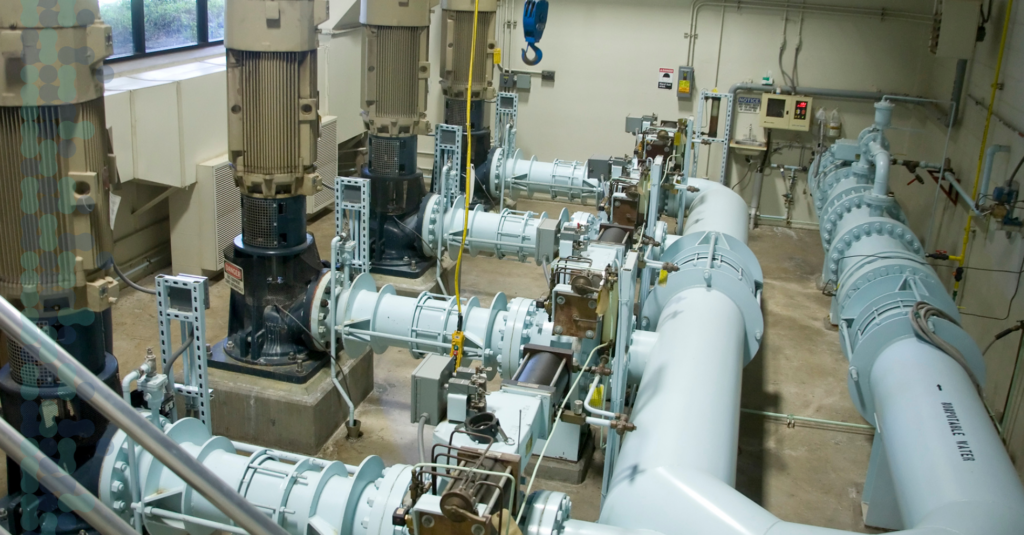
Wastewater treatment plant.

Why Nanofibers Offer a Breakthrough in Filtration

Advantages of Nanofiber Water Filtration

  • High surface area-to-volume ratio → enhanced adsorption and reaction sites.
  • Tunable pore size distribution → selective removal of nanoscale contaminants.
  • Functionalizable surfaces → integration of antimicrobial, catalytic, or metal-absorbing additives.
  • Low resistance and high permeability → high water flux with reduced pressure drop, lowering energy costs.

Unlike traditional membranes, nanofiber filter media combine advanced selectivity, high throughput, and scalable manufacturing. They are promising for applications ranging from municipal treatment plants to portable filters in resource-limited settings.

Nanofiber Water Filtration vs Traditional Methods

When compared to established systems such as reverse osmosis or activated carbon:

  • Reverse osmosis: High removal capacity, but requires expensive infrastructure and high energy. Nanofiber membranes can achieve comparable selectivity with lower operating pressures.
  • Activated carbon: Strong organic contaminant removal, but limited lifetime. Nanofibers can be functionalized for selective heavy metal and pathogen capture.
  • Ceramic and polymeric membranes: Durable, but prone to fouling. Electrospun nanofiber membranes show enhanced fouling resistance due to tailored surface chemistries.

This makes nanofiber water filtration a highly competitive and sustainable alternative.


Electrospun Membranes: Performance in Modern Water Purification

Filtration of Heavy Metals, Bacteria, and Microplastics

Electrospun membranes excel in tackling today’s toughest contaminants:

  • Heavy metals: Functionalized nanofibers capture lead, arsenic, and mercury with higher efficiency than carbon or ceramic filters.
  • Pathogens: Polyethersulfone-based nanofiber membranes achieve >99% bacterial removal through size exclusion and electrostatic interactions.
  • Microplastics & organics: Nanofibers physically trap particles down to the nanoscale and adsorb pharmaceuticals, dyes, and persistent organics.

Electrospun Filter Media for Membrane Filtration

Recent innovations include:

  • Composite membranes with graphene for solvent resistance and strength.
  • Asymmetric multilayer structures enabling desalination and nanofiltration.
  • Biodegradable nanofiber membranes for sustainable oil-water separation.

Peer-reviewed studies in journals such as Water Research and Journal of Membrane Science confirm these advances, highlighting electrospun nanofibers as a platform technology for modern water purification.

From Lab to Application: Fluidnatek’s Role in Filtration Development

From Lab-Scale Research to Scalable Water Filtration Solutions

Fluidnatek’s electrospinning platforms enable researchers and industries to bridge the gap between R&D and full-scale deployment. Their systems provide:

  • Precise control of fiber diameter, porosity, and layering.
  • Compatibility with diverse polymers and additives, including biodegradable and antimicrobial agents.
  • Scalable, automated production, suitable for both pilot lines and industrial roll-outs.

By supporting research teams worldwide, Fluidnatek accelerates the translation of laboratory findings into real-world water purification technologies.

👉 Internal link: Learn more about Fluidnatek environmental applications.

Frequently Asked Questions (FAQ)

What contaminants can nanofiber water filters remove?

Nanofiber membranes can remove heavy metals, bacteria, viruses, microplastics, pharmaceuticals, and PFAS, depending on surface functionalization.

Are electrospun membranes scalable for municipal treatment?

Yes. Electrospinning enables roll-to-roll manufacturing, making nanofiber membranes adaptable for large-scale municipal water treatment plants.

How do nanofiber filters compare with reverse osmosis?

Nanofiber filters require lower operating pressures and energy consumption than RO, while offering comparable contaminant removal. They can also be integrated with RO to extend membrane lifespan.

Conclusion

The era of advanced water filtration is being shaped by nanofiber technologies—especially those enabled by electrospun membranes. These next-generation solutions address urgent global challenges by achieving highly selective, high-throughput, and scalable purification of even the most complex water sources. As environmental standards rise and demand for safe water intensifies, nanofiber water filtration systems provide a path to a cleaner, healthier world.

Interested in developing advanced water filtration systems? Fluidnatek’s electrospinning platforms enable custom nanofiber membranes for scalable, high-performance purification technologies.

References

  1. Cheng X, Li T, Yan L, Jiao Y, Zhang Y, Wang K, Cheng Z, Ma J, Shao L. Biodegradable electrospinning superhydrophilic nanofiber membranes for ultrafast oil-water separation. Science Advances. 2023; 9: adh8195.
  2. Homaeigohar SS, Buhr K, Ebert K. Polyethersulfone electrospun nanofibrous composite membrane for liquid filtration. Journal of Membrane Science. 2010; 365: 68.
  3. Kim AA, Poudel MB. Spiral Structured Cellulose Acetate Membrane Fabricated by One-Step Electrospinning Technique with High Water Permeation Flux. Journal of Composites Science. 2024; 8(4):127.
  4. Liu Z, Wang Y, Guo F. An Investigation into Hydraulic Permeability of Fibrous Membranes with Nonwoven Random and Quasi-Parallel Structures. Membranes. 2022; 12(1):54.
  5. Nasreen S A A N, Sundarrajan S, Nizar S A S, Balamurugan R, Ramakrishna S. Advancement in Electrospun Nanofibrous Membranes Modification and Their Application in Water Treatment. Membranes. 2013; 3: 266.
  1. Liang Shen et al., Highly porous nanofiber-supported monolayer graphene membranes for ultrafast organic solvent nanofiltration. Sci. Adv. 7, eabg6263 (2021).
  1. Tijing LD, Choi JS, Lee S, Kim SH, Shon HK. Recent progress of membrane distillation using electrospun nanofibrous membrane. Journal of Membrane Science. 2014; 453: 435.
  2. ElectrospinTech. Introduction to Water Filtration. 2019.

For further reading, see top articles in DesalinationJournal of Membrane Science, and ACS Applied Materials & Interfaces.


Fluidnatek Unveils Revolutionary LE-50 Gen2: Next-Gen Biomedical Innovation Takes Center Stage at Medical Technology Ireland 2025

2025 MTI

Fluidnatek made a significant impact at Medical Technology Ireland 2025, held September 24–25 at the Galway Racecourse, where we proudly unveiled our groundbreaking LE-50 Gen2 electrospinning and electrospraying platform. This cutting-edge system represents the future of nanofiber and nanoparticle research in biomedical applications.

Live Innovation in Action

Our exhibition stand became a hub of scientific discovery as attendees witnessed live demonstrations of the LE-50 Gen2‘s remarkable capabilities. This state-of-the-art benchtop system revolutionizes laboratory research by seamlessly integrating both needle-based and needleless technologies within a single, versatile unit.

Key breakthrough features include:

  • Dual-solution processing capabilities
  • Independent high-voltage control systems
  • Automated emitter motion ensuring exceptional homogeneity
  • Unmatched precision for multi-material scaffold development

These advanced functionalities position the LE-50 Gen2 as the ideal solution for pioneering applications in tissue engineering, accelerated wound healing, precision drug delivery systems, and next-generation medical device coatings.

Expert Representation

Fluidnatek’s presence was expertly represented by our specialized team:

  • Enrique Navarro, Sales & Marketing Manager
  • Milan Proks, Key Account Manager

Transforming Medical Science

Electrospinning technology is revolutionizing biomedical research by enabling the creation of nanofiber-based scaffolds that precisely replicate the natural extracellular matrix. This biomimetic approach significantly enhances cell growth and accelerates tissue regeneration processes. Additionally, our electrospun materials deliver controlled, targeted release of therapeutic compounds, opening new frontiers in personalized medicine.

The LE-50 Gen2’s exceptional precision combined with its scalability makes it an indispensable tool for researchers and companies driving the next wave of medical technology breakthroughs.

Looking Forward

We extend our sincere gratitude to all the innovators, researchers, and industry leaders who visited our stand and engaged in meaningful discussions about how Fluidnatek’s advanced solutions can accelerate biomedical innovation. These valuable conversations fuel our commitment to pushing the boundaries of what’s possible in medical technology.

For more information about the LE-50 Gen2 and how it can transform your biomedical research, contact our team today.

2025 MTI

Live demonstrations of the LE50 Gen2.

Engaging with the Biomedical Community at FBPS 2025 in Porto

FBPS Porto

Showcasing innovation in electrospinning and biomedical polymers

Fluidnatek successfully participated in the FBPS 2025 – Biomedical Polymers & Electrospinning Symposium, recently held in Porto. This international symposium provided a unique opportunity to present our latest innovations in electrospinning technology, nanofibers for biomedical applications, and advanced polymers, while strengthening collaboration with the global scientific community.

Event highlights

Innovative solutions on display

We showcased our latest developments in nanofiber electrospinning, nanotechnology, and biomedical applications, attracting strong interest from researchers and industry professionals.

Knowledge exchange

Our team engaged with international experts, generating enriching discussions and potential collaborations for future projects in biomaterials and nanofibers.

Excellent reception at our booth

Many visitors approached our booth to learn more about our technology, explore applications, and discuss opportunities for scientific and industrial collaboration.

Looking ahead

We would like to thank the symposium organizers for such an inspiring edition, as well as all visitors who shared their ideas and enthusiasm with us.

Events like FBPS 2025 confirm that we are on the right path: continuing to innovate in electrospinning, strengthen ties with the scientific community, and develop solutions with a real impact in biomedical applications.

Discover more about our electrospinning technologies and how we apply nanofibers and advanced polymers in biomedicine.

FBPS25_Becky

Becky Tunio, at FBPS 2025 in Porto.

Functionalized Fabrics Using Electrospun Fibers: Revolutionizing Smart Textiles

functionalized fabrics using electrospun fibers

Introduction: The Rise of Functionalized Fabrics

The textile industry is undergoing a major transformation. Beyond comfort and aesthetics, fabrics are now being designed to provide advanced technical properties that meet the demands of modern industries. These functionalized fabrics are widely adopted in healthcare, sports, protective apparel, and electronics, where safety, adaptability, and performance are critical.

A central enabler of this revolution is the use of electrospun fibers. Electrospinning technology allows the fabrication of nanofibers with exceptional surface to volume, tunable size and porosity , and the ability to incorporate functional agents. This makes it possible to develop functionalized fabrics using electrospun fibers that are antimicrobial, UV-protective, conductive, or even stimuli-responsive—paving the way for truly smart textiles.


What Are Functionalized Fabrics?

Functionalized fabrics are textiles engineered to provide value-added properties beyond traditional fibers. Key examples include:

  • Antimicrobial fabrics: Inhibit the growth of bacteria and fungi.
  • UV-protective textiles: Shielding users from harmful solar radiation.
  • Conductive textiles: Enabling electronic sensing and energy transfer.
  • Moisture management: Controlling absorption and evaporation.
  • Self-cleaning surfaces: Repelling dirt and liquids.

Functionalization strategies involve:

  • Direct incorporation of agents during fiber formation.
  • Nanofiber coatings through electrospun fiber deposition.
  • Embedding nanoparticles or biomolecules.
  • Designing advanced multi-layered architectures.

Explore more: https://journals.sagepub.com/home/trj

Why Use Electrospinning to Functionalize Fabrics?

Electrospinning produces ultrafine fibers—often at the nanoscale—by applying a high electric field to a polymer solution or melt. This process is ideal for fabric functionalization due to:

  • Precision: Control over fiber diameter, porosity, and alignment.
  • Versatility: Compatibility with diverse polymers and additives.
  • Scalability: From lab-scale to industrial production.
  • Integration: Direct electrospinning onto fabrics or free-standing nanofiber mats.

The unique nanostructured coatings obtained via electrospinning increase the interaction between functional agents and the surrounding environment, enhancing performance in filtration, sensing, and antimicrobial electrospun fabrics.

Electrospun Fibers for Advanced Textile Functionality

Antimicrobial and UV-Protective Fabric Coatings

Nanofibers functionalized with silver nanoparticles, zinc oxide, or titanium dioxide create antimicrobial fabrics that inhibit bacterial and fungal growth. These coatings are vital in healthcare, sportswear, and outdoor gear.

Similarly, UV-protective nanofiber coatings incorporate UV-absorbing compounds that extend fabric durability and safeguard users. Protective clothing and outdoor textiles are key beneficiaries.

Smart Textiles: Sensors and Conductivity Through Nanofibers

Electrospun nanofibers incorporating conductive polymers (polypyrrole, polyaniline), graphene, or carbon nanotubes enable wearable smart textiles with sensing and energy capabilities. Applications include:

  • Physiological monitoring garments.
  • Environmental sensors.
  • Flexible circuits for wearable electronics.

Research on conductive nanofibers for wearable fabrics shows potential for energy storage and bio-batteries, opening new horizons for sustainable smart textiles.

Key Functionalities Achievable with Electrospun Fibers

Electrospun fibers enable a diverse array of functionalities in textiles, including:

  • Antimicrobial Electrospun Fabrics: By incorporating agents like silver or copper nanoparticles, electrospun fabrics can actively inhibit microbial growth, reducing the risk of infection and odor.
  • UV-Resistant Coatings: Nanofibers loaded with UV-absorbing materials protect both the fabric and the wearer from ultraviolet degradation1.
  • Conductive Nanofibers for Wearable Fabrics: The integration of conductive polymers or carbon-based nanomaterials allows textiles to transmit electrical signals, enabling applications in sensors, health monitoring, and flexible electronics.
  • Hydrophobic and Self-Cleaning Surfaces: The large surface area and tunable hydrophobicity” chemistry  of nanofibers make it possible to create fabrics that repel water and resist stains, ideal for outdoor and technical clothing.
  • Stimuli-Responsive Materials: Electrospun fibers can be engineered to respond to temperature, pH, or mechanical stress, enabling adaptive textiles for specialized applications.
Functionalized Fabrics electrospun fibers

Electrospun fibers enable a diverse array of functionalities in textiles.

Materials Used and Integration Strategies

A wide variety of polymers and functional additives can be electrospun to create advanced textile coatings:

  • Polymers: Common choices include polyvinyl alcohol (PVA), polycaprolactone (PCL), polylactic acid (PLA), polyurethane (PU), and cellulose derivatives. These materials are selected for their mechanical properties, biocompatibility, and ease of processability.
  • Functional Additives: Silver nanoparticles, titanium dioxide, graphene, carbon nanotubes, phase-change materials, and bioactive agents can be incorporated to impart specific functionalities.

Integration strategies include:

  • Direct electrospinning onto fabrics: This method allows for the seamless coating of textile substrates with functional nanofibers, ensuring strong adhesion and uniform coverage.
  • Laminating electrospun mats: Nanofiber mats can be produced separately and then laminated onto fabrics, offering flexibility in design and functionality.
  • Hybridization with traditional fibers: Combining electrospun nanofibers with conventional textile fibers creates composite materials with enhanced performance characteristics.

The ability to fine-tune the composition and structure of electrospun fibers enables the production of nanofiber coated fabrics with properties tailored to specific applications.

Applications in Industry

The versatility of electrospun functionalized fabrics is driving their adoption across a wide range of industries:

  • Healthcare: Electrospun fabrics are used in wound dressings, surgical gowns, and implantable scaffolds, where their antimicrobial properties and biocompatibility are critical. For example, electrospun matrices can be loaded with growth factors or drugs for controlled release in tissue engineering and wound healing.
  • Wearable Electronics: The development of flexible, conductive textiles is enabling new forms of wearable sensors, energy storage devices, and smart clothing that can monitor health or environmental conditions in real time.
  • Filtration: Electrospun nanofibers offer high efficiency in air and liquid filtration due to the small pore size and large surface area of the electrospun materials, making them ideal for use in masks, industrial filters, and water purification systems.
  • Protective Apparel: Functionalized fabrics with UV resistance, flame retardancy, and chemical protection are increasingly used in protective clothing for firefighters, military personnel, and industrial workers.
  • Automotive and Aerospace: Lightweight, multifunctional composites made with electrospun fibers are being adopted for interiors, insulation, and structural components, offering improved performance and reduced weight.


Prospective Analysis: Sustainability and Circular Economy in Functionalized Fabrics

The integration of electrospinning technology in the textile industry is not only revolutionizing fabric functionalities but is also emerging as a pivotal driver for advancing circular economy principles and sustainability across the sector. Looking ahead, it is essential to anticipate how these innovations will shape future industry scenarios and strategic priorities.

Reducing Waste and Valorizing Materials
Electrospinning enables the use of recycled polymers and biopolymers to produce functionalized nanofibers, making it possible to upcycle textile or plastic waste into high-value applications. This directly supports the circular economy goal of keeping materials in use for as long as possible and reduces reliance on virgin resources.

Eco-Design and Enhanced Durability
With the versatility of electrospinning, it is possible to engineer smart textiles with antimicrobial, self-cleaning, or UV-resistant properties, significantly extending product lifespan and reducing waste from frequent replacement. The ability to tailor functionalities also supports new circular business models such as rental, reuse, and remanufacturing.

Traceability and Transparency
Electrospinning facilitates the integration of smart labels and sensors directly into textiles, enabling advanced traceability solutions. This allows for real-time monitoring of a garment’s lifecycle, composition, and recyclability—addressing the growing demand for transparency and responsible sourcing in the textile value chain.

Challenges and Opportunities
While the benefits are clear, large-scale adoption of electrospinning for circularity faces technical and economic challenges, such as industrial scalability, integration into existing manufacturing processes, and efficient waste management. However, regulatory pressure, market demand, and cross-sector collaboration are expected to drive investment and innovation in these technologies, reinforcing their role in the transition to a more circular and sustainable textile industry.

Conclusion

Functionalized fabrics using electrospun fibers represent the future of technical textiles. Their adaptability, multifunctionality, and scalability position them as key enablers for industries ranging from healthcare to aerospace.

If your team is exploring smart textiles with electrospun nanofibers or needs to develop tailored electrospun fiber coatings for textiles, contact Fluidnatek to learn how our platforms support both research and industrial-scale production.


References

  1. ElectrospinningTech. (2015). Functionalized Fabrics using Electrospun fibers. Retrieved from http://electrospintech.com/funcfabrics.html
  2. Yang, X., Wang, J., Guo, H., Liu, L., Xu, W., & Duan, G. (2020). Structural design toward functional materials by electrospinning: A review. e-Polymers, 20(1), 682–712. https://doi.org/10.1515/epoly-2020-0068
  3. Huang, Z.-M., Zhang, Y. Z., Kotaki, M., & Ramakrishna, S. (2003). A review on polymer nanofibers by electrospinning and their applications in nanocomposites. Composites Science and Technology, 63(15), 2223–2253. https://doi.org/10.1016/S0266-3538(03)00178-7
  4. Yi, L., Wang, Y., Fang, Y., Zhang, M., Yao, J., Wang, L., & Marek, J. (2019). Development of core-sheath structured smart nanofibers by coaxial electrospinning for thermo-regulated textiles. RSC Advances, 9, 21844. https://doi.org/10.1039/C9RA03299J
  5. Greiner, A., & Wendorff, J. H. (2007). Electrospinning: A fascinating method for the preparation of ultrathin fibers. Angewandte Chemie International Edition, 46(30), 5670–5703. https://doi.org/10.1002/anie.200604646
  6. Weerasinghe, V. T., Dissanayake, D. G. K., Pereira, P. T. D., Tissera, N. D., Wijesena, R. N., & Wanasekara, N. D. (2020). All-organic, conductive and biodegradable yarns from core-shell nanofibers through electrospinning. RSC Advances, 10, 32875. https://doi.org/10.1039/D0RA05655A

Electrospun Bioresorbable Tubular Scaffolds for Advanced Medical Devices

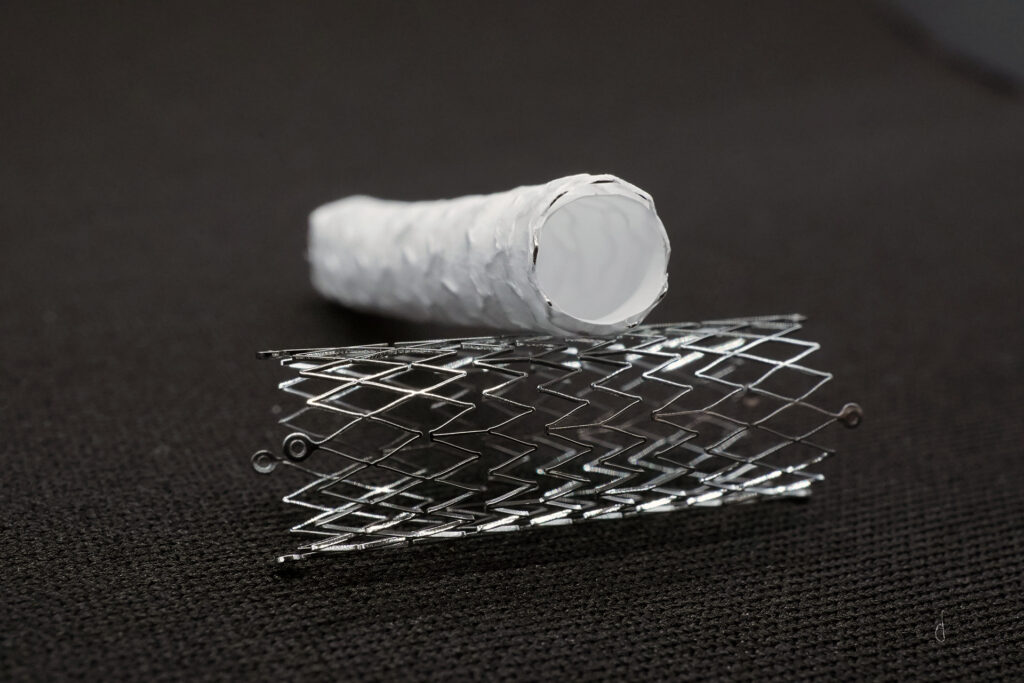
electrospun bioresorbable tubular scaffolds

Introduction: The Need for Biofunctional Medical Devices

Electrospinning has emerged as a transformative technology in biomedical engineering, enabling the fabrication of nanofibrous materials that closely mimic the hierarchical structure and functionality of the extracellular matrix (ECM) found in native tissues. This biomimetic capability is particularly valuable for developing next-generation medical devices including vascular grafts, stent coatings, bioresorbable stents, nerve conduits, and electrospun bioresorbable tubular scaffolds. These applications demand precise control over material architecture, mechanical properties, biocompatibility, and degradation kinetics to achieve optimal functional performance.

The growing demand for minimally invasive, patient-specific interventions has accelerated interest in electrospun tubular constructs that can be fully resorbed by the body after fulfilling their therapeutic function. This application note explores the current state of electrospinning technology for producing electrospun bioresorbable tubular scaffolds, highlights key applications in medical device development, and discusses emerging trends in this rapidly evolving field.


Electrospinning Technology for Bioresorbable Tubular Scaffold Production

Process Fundamentals

Electrospinning for tubular scaffold fabrication involves applying a high voltage (10-30 kV) to a polymer solution or melt, creating an electrostatic force that overcomes surface tension to form a jet. This jet undergoes whipping and stretching as the solvent evaporates, resulting in nanofibers that collect on a opposite voltage rotating mandrel to form tubular structures. The process allows precise control over:

  • Fiber diameter (typically 100-500 nm)
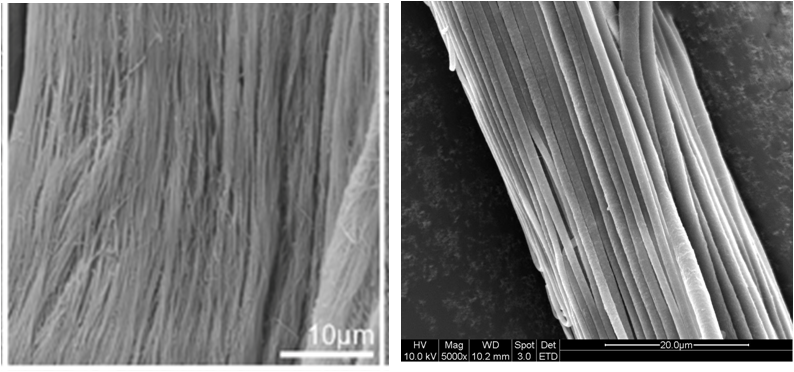
  • Fiber orientation (random or aligned)
  • Porosity (60-90%)
  • Wall thickness (50 μm to several mm)
  • Mechanical properties (tensile strength, compliance, and elasticity)
  • Surface chemistry and topography

Equipment Configurations

Several commercial systems have been developed specifically for tubular scaffold production, including the Fluidnatek LE-100 Bio Tubing platform. These advanced electrospinning systems typically feature:

  • Multiple collector options: Rotating mandrels with variable diameters (0.5-10 mm) and rotation speeds (50-2000 rpm) for seamless tubular scaffold fabrication
  • In-line monitoring: Real-time thickness measurement and fiber morphology analysis for stringent quality control
  • Environmental control: Precision regulation of temperature (18-45°C) and humidity (10-80% RH) to ensure reproducibility
  • Clean processing environments: ISO 5/Class 100 compatible chambers for aseptic, contamination-free processing
  • Automation capabilities: Programmable deposition patterns and process parameters for complex architectures
  • Data management: Industry 4.0 integration for process traceability and validation

Materials for Electrospun Bioresorbable Scaffolds

The selection of appropriate polymers is critical for successful bioresorbable scaffold development. Commonly used materials include:

Polymer

Degradation Time

Key Properties

Common Applications

Poly(lactic acid) (PLA)

12-24 months

High strength, moderate hydrophobicity

Vascular grafts, bone scaffolds

Poly(glycolic acid) (PGA)

2-4 months

Rapid degradation, good cell adhesion

Nerve guides, temporary stents

Poly(lactic-co-glycolic acid) (PLGA)

1-12 months (tunable)

Controllable degradation rate

Drug delivery, soft tissue engineering

Polycaprolactone (PCL)

24-36 months

Excellent elasticity, slow degradation

Long-term vascular applications

Polyurethanes (PU)

Variable

Superior mechanical properties

Heart valves, vascular devices

Natural polymers (collagen, silk, chitosan)

Variable

Enhanced bioactivity

Tissue engineering, wound healing

Multi-material approaches using polymer blends or core-shell configurations enable tailored degradation profiles and mechanical properties specific to each application.

Electrospun Scaffolds for Medical Devices and Tissue Engineering

Electrospun bioresorbable tubular scaffolds are advancing several areas in medical device development:

Electrospun Vascular Grafts

Electrospun vascular grafts represent a promising alternative to autologous vessels for bypass procedures and vascular repair. Their advantages include:

  • Tunable compliance: Matching mechanical properties with native vessels reduces hemodynamic disturbances and intimal hyperplasia
  • Controlled porosity: Optimized pore size (typically 10-30 μm) facilitates cell infiltration while maintaining barrier function
  • Drug delivery capabilities: Incorporation of anticoagulants, anti-inflammatories, or growth factors enhances performance
  • Degradation synchronized with tissue regeneration: Scaffold provides initial support and gradually transfers load to newly formed tissue

Clinical studies have demonstrated promising results for small-diameter (<6 mm) vascular grafts, with ongoing trials for peripheral and coronary applications.

Stent Coatings and Fully Bioresorbable Stents

Electrospun polymeric coatings for conventional metal stents (including nitinol-based stents) as well as fully bioresorbable stent platforms offer several advantages:

  • Controlled drug elution: Precise release kinetics for antiproliferative agents
  • Reduced foreign body response: Gradual dissolution minimizes chronic inflammation
  • Preservation of vessel geometry: After resorption, native vessel mechanics are restored
  • Facilitation of repeat interventions: Absence of permanent implants simplifies future procedures
  • Enhanced compatibility with nitinol stents: Electrospun coatings can mitigate nickel ion release while maintaining the mechanical advantages of nitinol.

Recent innovations include dual-layer electrospun stents with different drug release profiles and mechanical properties in each layer[8].

Nerve Conduits and Neural Tissue Engineering

Tubular electrospun conduits support nerve regeneration following injury by:

  • Directing axonal growth: Aligned nanofibers guide regenerating neurons
  • Preventing scar tissue infiltration: Semipermeable walls block fibroblast migration
  • Supporting Schwann cell migration: Optimized architecture promotes cellular colonization
  • Delivering neurotrophic factors: Sustained release of growth factors enhances nerve regeneration

Electrospun nerve guides have shown promising results in peripheral nerve defects up to 30 mm in preclinical models.

Hybrid Metal-Polymer Scaffolds

An important advancement in electrospun scaffold technology is the development of hybrid constructs combining metallic frameworks with electrospun polymer coatings. Nitinol (nickel-titanium alloy) is particularly valuable in these applications due to its unique properties:

  • Shape memory effect: Allows for minimally invasive deployment and self-expansion
  • Superelasticity: Provides mechanical support while maintaining flexibility
  • Biocompatibility: Well-established safety profile in vascular applications
  • Fatigue resistance: Withstands physiological cyclic loading

Electrospun coatings on nitinol structures can:

  • Deliver therapeutic agents locally
  • Modulate the tissue-material interface
  • Provide a template for tissue ingrowth
  • Create a barrier to control nitinol ion release

These hybrid constructs are particularly valuable for stents, occlusion devices, and embolic protection systems where the mechanical properties of nitinol complement the biological functionality of electrospun polymers[10].

Other Emerging Applications

Additional applications leveraging electrospun bioresorbable tubular scaffolds include:

  • Tracheal and bronchial replacement: Reinforced electrospun constructs with radial rigidity and longitudinal flexibility
  • Gastrointestinal stents: Degradable stents for temporary stricture management
  • Urethral reconstruction: Tailored scaffolds supporting regeneration of functional urethral tissue
  • Drug delivery conduits: Tubular implants for localized, sustained therapeutic delivery

Manufacturing Considerations

Quality Control Parameters

Consistent performance of electrospun tubular scaffolds depends on rigorous quality control focused on:

  • Structural uniformity: Even fiber distribution and orientation throughout the scaffold
  • Mechanical consistency: Batch-to-batch reproducibility of tensile strength, burst pressure, and compliance
  • Chemical purity: Residual solvent levels below regulatory thresholds (<50 ppm for common solvents)
  • Sterility assurance: Validated sterilization processes compatible with delicate nanostructures

Scale-Up Strategies

Transitioning from laboratory to commercial production requires addressing several challenges:

  • Throughput enhancement: Multinozzle or needleless systems to increase production volume
  • Process validation: Design of Experiments (DoE) approaches to establish robust process parameters
  • Inline monitoring: Real-time quality verification systems for continuous production
  • Regulatory compliance: Documentation systems meeting cGMP, ISO 13485, and FDA requirements
  • Sterilization compatibility: Process development for terminal sterilization methods preserving scaffold integrity

Regulatory Considerations

Electrospun bioresorbable scaffolds face specific regulatory challenges:

  • Novel material combinations: May require additional biocompatibility and degradation testing
  • Long-term degradation products: Assessment of tissue response to breakdown components
  • Process validation: Critical process parameters for electrospinning must be thoroughly documented
  • Mechanical testing standards: Often requires development of custom test methods specific to the intended application
  • Shelf-life determination: Stability of both mechanical properties and biological activity must be demonstrated

Regulatory pathways differ by region and specific application, with combination products (incorporating drugs or biologics) facing more complex requirements.

Clinical Case Studies

Case Study 1: Small-Diameter Vascular Grafts

A recent clinical trial evaluated PCL/PLA electrospun grafts (4 mm diameter) for hemodialysis access in 12 patients. Key findings included:

  • 83% primary patency at 6 months
  • No aneurysm formation or catastrophic mechanical failure
  • Progressive endothelialization observed via ultrasound
  • Degradation profile matching tissue ingrowth rates

Case Study 2: Drug-Eluting Bioresorbable Stent Coating

A PLGA electrospun coating on a metal stent platform demonstrated:

  • Reduced restenosis rates compared to bare metal stents (8% vs. 22%)
  • Complete resorption by 9 months post-implantation
  • Reduced dual antiplatelet therapy requirements
  • Improved vessel healing and reduced inflammation

Future Trends and Challenges

Several emerging approaches are poised to advance electrospun tubular scaffold technology:

  • Smart responsive scaffolds: Integration of stimuli-responsive materials that adapt to physiological changes
  • 4D printing approaches: Electrospun structures programmed to change shape or properties over time
  • Hybrid manufacturing: Combining electrospinning with other fabrication techniques (3D printing, textile processes)
  • Cell electrospinning: Direct incorporation of living cells during the fabrication process
  • Personalized medicine applications: Patient-specific scaffold designs based on medical imaging data

Challenges requiring further research include:

  • Mechanical property optimization: Matching complex native tissue mechanics more precisely
  • Control of degradation heterogeneity: Ensuring uniform resorption throughout the scaffold volume
  • Scale-up limitations: Addressing throughput constraints for high-volume applications
  • Standardization: Developing consensus testing methods specific to electrospun materials


Conclusion

Electrospun bioresorbable tubular scaffolds represent a significant advancement in medical device technology, offering unprecedented control over scaffold architecture, material properties, and biological response. As manufacturing capabilities continue to mature and clinical evidence accumulates, these materials are positioned to address critical unmet needs in vascular, neural, and other tubular tissue applications. Continued innovation in materials, processing techniques, and hybrid approaches will further expand the potential of this versatile technology platform.

Designed for Excellence in Tubular Scaffold Manufacturing
The Fluidnatek LE-100 BioTubing system is specially engineered to meet the stringent requirements of tubular scaffold production. Its advanced rotating mandrel system, precision-controlled environment, and high-resolution deposition capabilities enable the fabrication of seamless, uniform, and reproducible tubular structures. With full GMP-compliant architecture and options for cleanroom integration, the LE-100 BioTubing is the ideal platform for scaling up from research to clinical manufacturing of bioresorbable vascular grafts, nerve conduits, and other implantable devices.

Let’s Build the Future of Medical Devices
Are you developing resorbable scaffolds for advanced biomedical applications

**Fluidnatek’s electrospinning platforms** deliver the precision, reproducibility, and scalability needed to design **customised tubular nanostructures** for next-generation medical devices. 

👉 Contact our team (https://fluidnatek.com/contact) to discuss your biomedical project.

References

  1. Zhang Y, et al. Recent advances in electrospinning for biomedical applications. Biomater Sci. 2022;10(2):316-339. https://doi.org/10.1039/D1BM01518C
  2. Sensini A, et al. Hierarchical electrospun tendon-ligament bioinspired scaffolds. Biofabrication. 2023;15(1):015004. https://doi.org/10.1088/1758-5090/aca8c6
  3. Keirouz A, et al. Nanofiber-based wound dressings and their applications. Mater Sci Eng C. 2023;113:111018. https://doi.org/10.1016/j.msec.2020.111018
  4. Khorshidi S, et al. A review of key challenges of electrospun scaffolds for tissue-engineering applications. J Tissue Eng Regen Med. 2022;16(3):195-215. https://doi.org/10.1002/term.3267
  5. Gao S, et al. Core-shell nanofibers: Nano channel and capsule by coaxial electrospinning. Adv Mater Interfaces. 2023;10(7):2101770. https://doi.org/10.1002/admi.202101770
  6. Nagarajan S, et al. Design strategies for controlling degradation rate and mechanical properties in electrospun vascular scaffolds. ACS Appl Mater Interfaces. 2022;14(41):45829-45843. https://doi.org/10.1021/acsami.2c09274
  7. Fukunishi T, et al. Tissue-engineered small diameter arterial vascular grafts from cell-free nanofiber PCL/chitosan scaffolds in a sheep model. PLoS One. 2022;17(3):e0254315. https://doi.org/10.1371/journal.pone.0254315
  8. Qiu X, et al. Controlled dual-drug release from electrospun nanofibers as bioresorbable local drug delivery systems. J Control Release. 2023;353:607-618. https://doi.org/10.1016/j.jconrel.2022.12.039
  9. Wang S, et al. Aligned electrospun polycaprolactone/silk fibroin core-shell nanofibers for nerve tissue engineering. J Biomed Mater Res A. 2023;111(5):814-826. https://doi.org/10.1002/jbm.a.37487
  10. Torres-Giner S, et al. Industrial applications of electrospinning: Drug delivery, tissue engineering, and regulatory considerations. Int J Mol Sci. 2023;24(4):3676. https://doi.org/10.3390/ijms24043676
  11. Tsetsekou M, et al. Nitinol-polymer composites for medical applications: A review. J Mater Sci. 2023;58(10):4692-4721. https://doi.org/10.1007/s10853-022-08128-1
  12. Kuznetsov K, et al. Surface modification of nitinol stents with electrospun bioresorbable polymers: Approaches and clinical outcomes. J Biomater Appl. 2022;37(3):481-496. https://doi.org/10.1177/08853282221131975
INTERESTED? CONTACT OUR SPECIALISTS!