


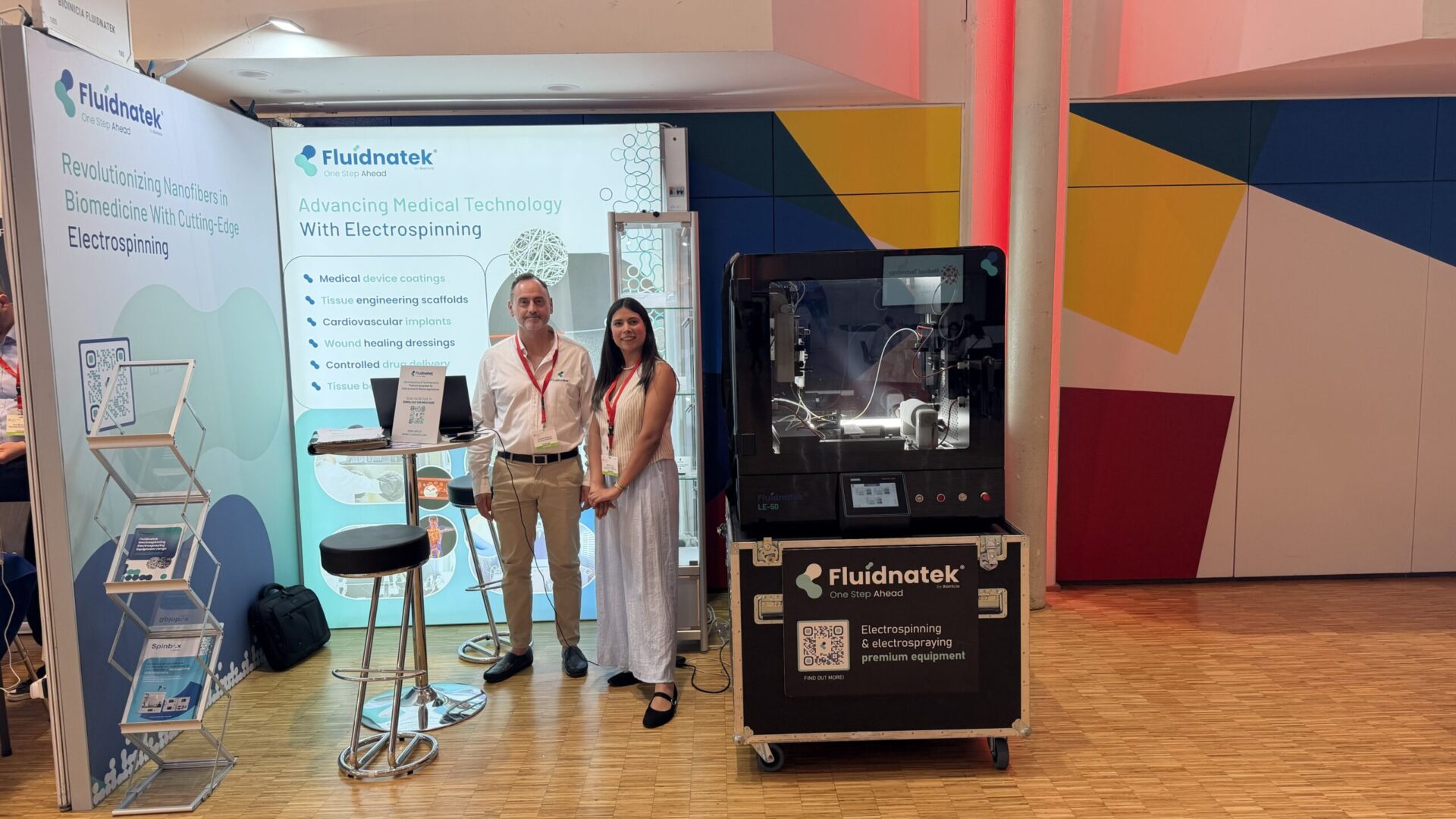
As medical technologies become increasingly sophisticated, manufacturing processes are evolving just as rapidly. Medical Technology Germany 2026 reflected this transformation, bringing together engineers, manufacturers, researchers, and regulatory specialists to discuss the technologies shaping the next generation of healthcare products.
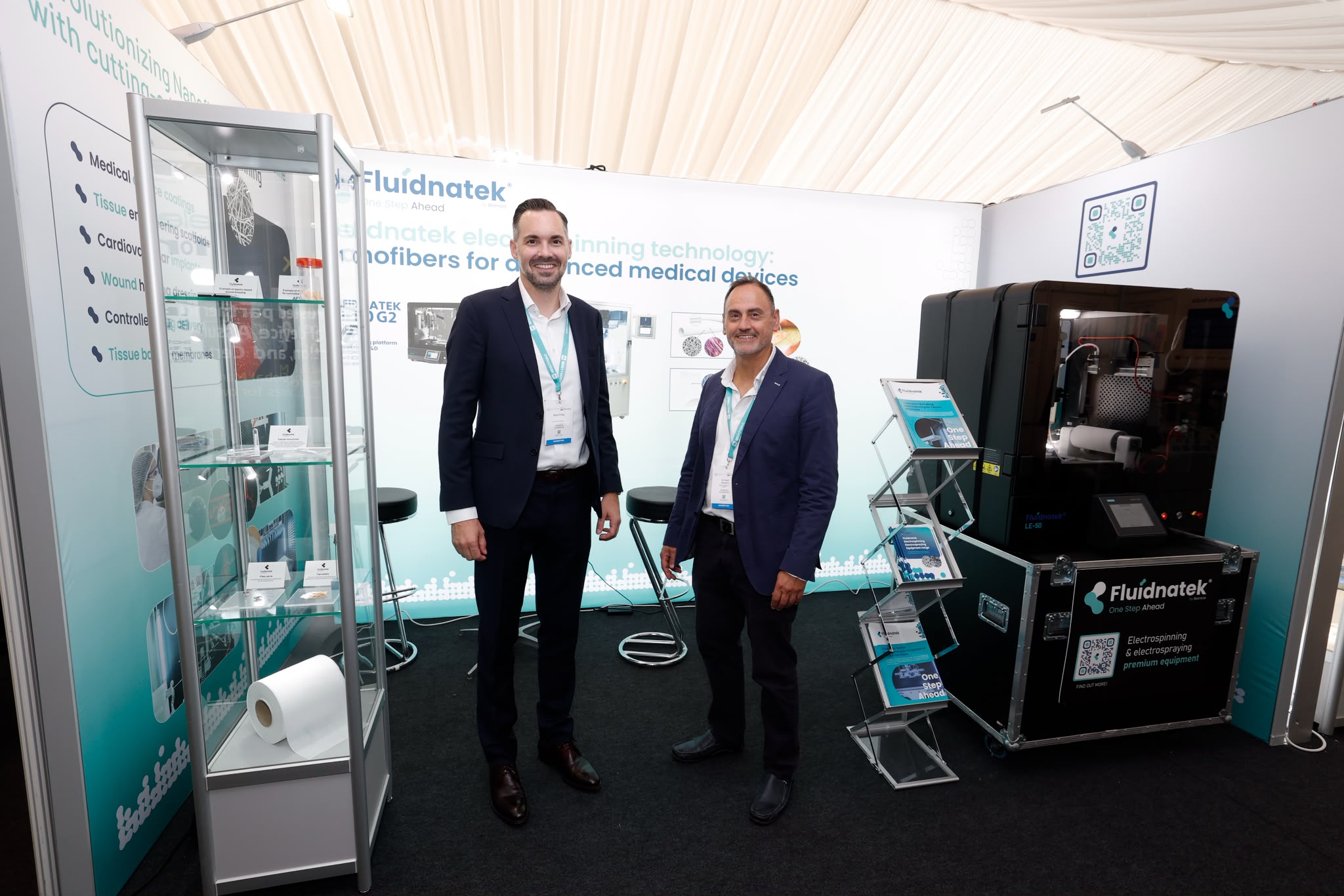
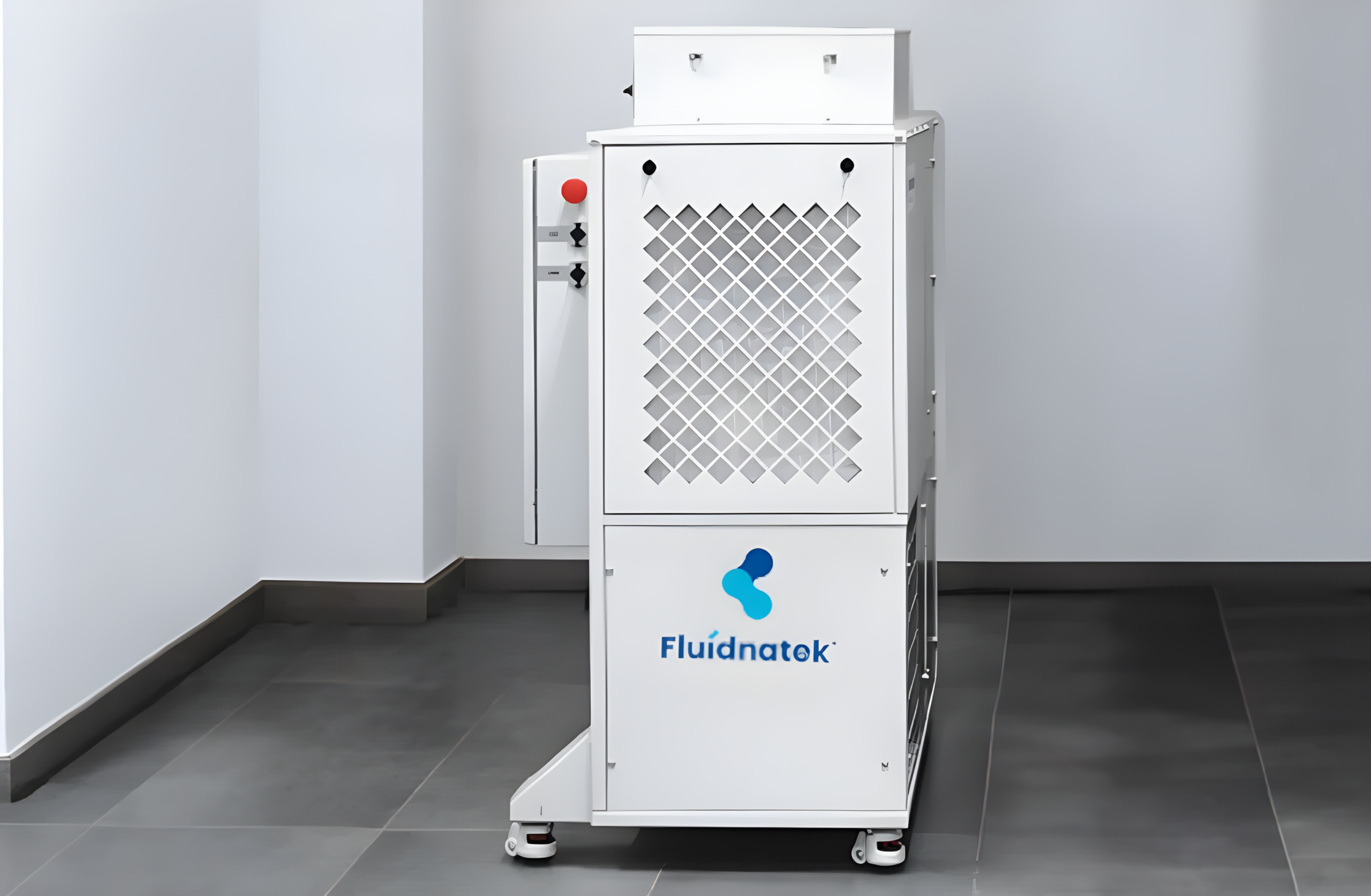
As part of this year’s exhibition, Fluidnatek participated in these discussions by showcasing the Fluidnatek LE-50 Gen2 electrospinning platform and engaging with professionals developing advanced medical devices, biomaterials, tissue engineering solutions, wound care products, drug delivery systems, and other healthcare technologies.
Electrospinning Continues to Gain Momentum
Many of the conversations held during the event reflected the growing interest in electrospinning as an enabling manufacturing technology for medical innovation.
By allowing precise control over nanofiber architecture, electrospinning enables the development of materials with highly tailored structural and functional properties. This level of control is becoming increasingly important for applications where porosity, surface area, mechanical performance, or controlled therapeutic release directly influence clinical outcomes.
As more medical products move from laboratory research toward commercialization, manufacturers are also placing greater emphasis on process reproducibility, scalability, and manufacturing robustness. These requirements extend beyond material design and increasingly influence technology selection from the earliest stages of product development.
From Research to Industrial Manufacturing
One of the recurring themes throughout Medical Technology Germany was the importance of establishing manufacturing strategies that can successfully transition from proof-of-concept studies to industrial production.
This transition was a recurring topic in many technical discussions throughout the event. While every project presents unique challenges, successful technology transfer often depends on combining robust process development with scalable manufacturing strategies.
These principles are reflected in many of the collaborative projects developed by Fluidnatek together with medical technology companies, research organisations, and industrial manufacturers, several of which are featured in our Customer Success Stories.
During the exhibition, the Fluidnatek team discussed how electrospinning projects can be developed with scale-up in mind from the outset. Rather than treating research and manufacturing as separate stages, an integrated development approach helps reduce technical risk, improve process understanding, and facilitate future technology transfer.
Visitors also had the opportunity to see the Fluidnatek LE-50 Gen2 operating live, demonstrating the level of process control, environmental stability, and automation required to achieve reproducible electrospinning results.
Supporting the Future of Medical Innovation
Medical technology continues to evolve rapidly, driven by increasingly sophisticated biomaterials, regenerative medicine, personalized therapies, and advanced drug delivery platforms. As these technologies mature, manufacturing processes must evolve alongside them to deliver the consistency, traceability, and quality required for successful commercialization.
At Fluidnatek, we remain committed to supporting researchers and manufacturers throughout this journey—from early feasibility studies and process development to scale-up and industrial manufacturing.
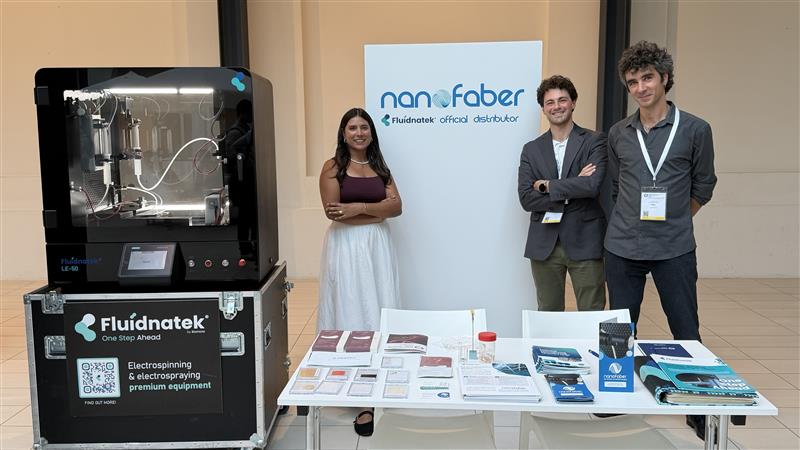
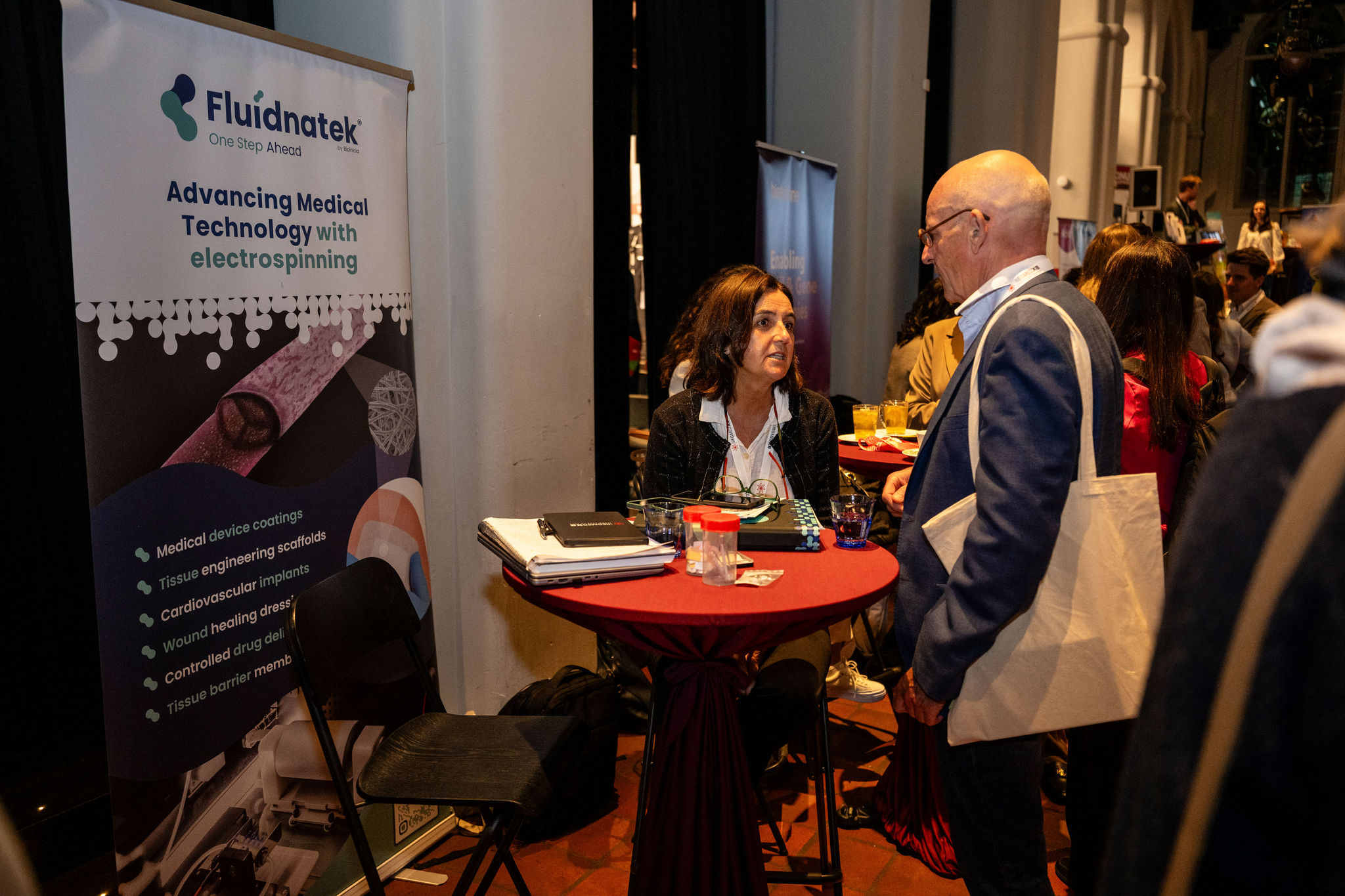
We would like to thank everyone who visited our booth during Medical Technology Germany 2026. We appreciate the opportunity to exchange ideas, discuss technical challenges, and explore how electrospinning can contribute to the next generation of medical technologies.



 ESP
ESP