


In this case study, we explore how the Matrihealth team is tackling the challenge of chronic wounds and scar formation by developing next-generation elastin-based nanofiber scaffolds using electrospinning.
Challenge
Chronic wounds cause immense suffering for patients and represent a growing burden for healthcare systems. Our goal was to design biomimetic materials that restore skin function by mimicking the elastin-rich extracellular matrix.
Solution
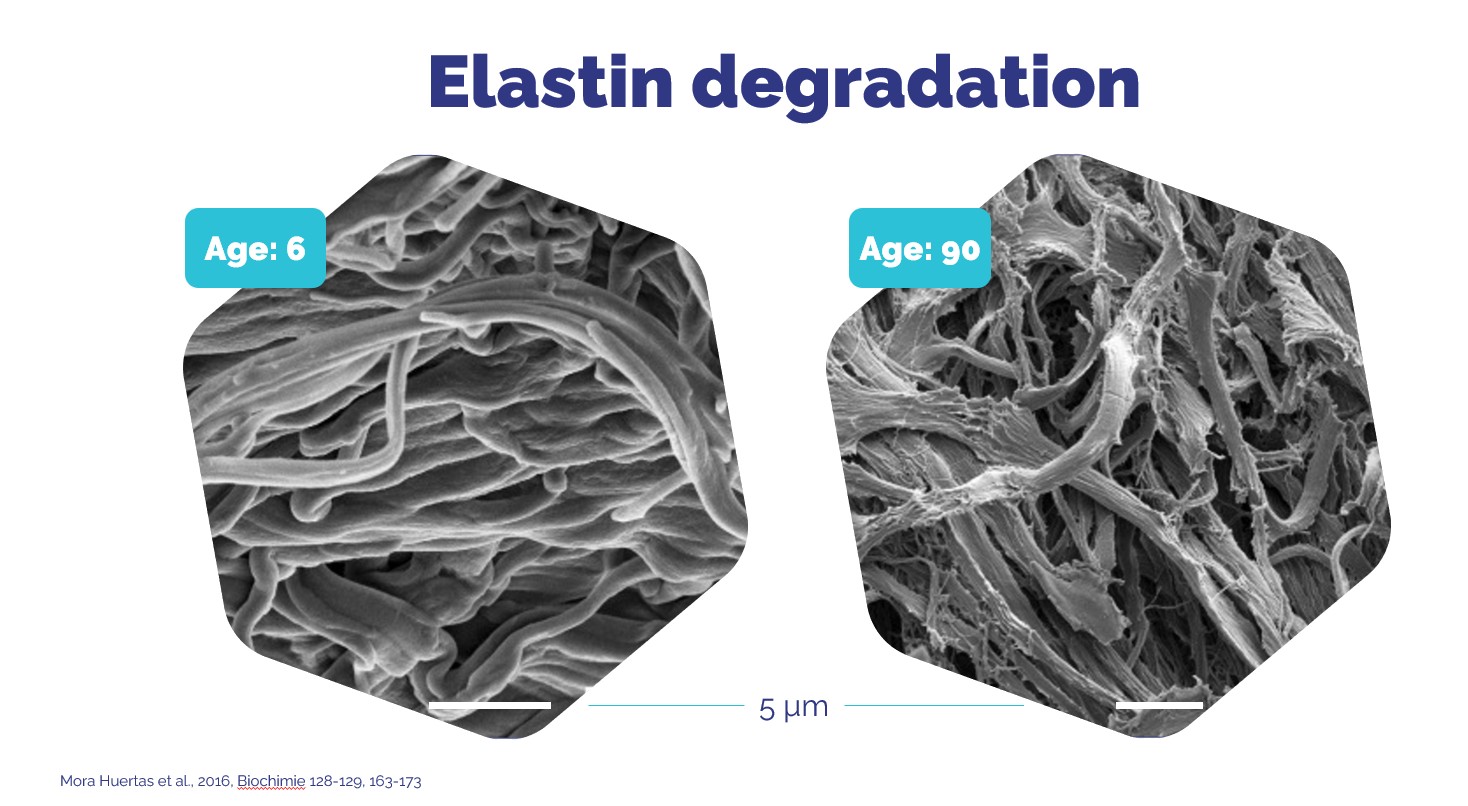
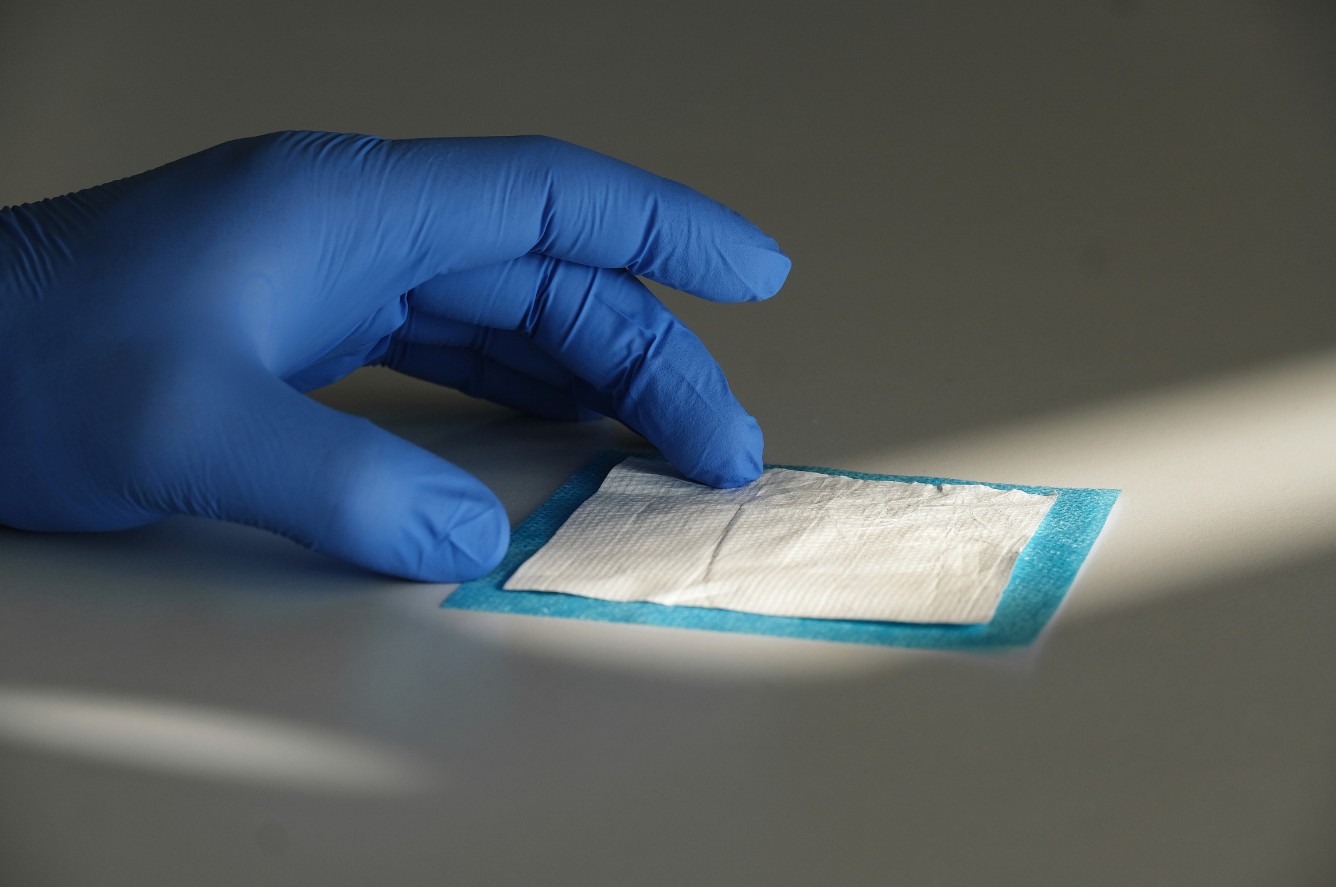
Elastin-based nanofiber materials
→ Up to 90% elastin content
→ Sourced from food industry byproducts (sustainable)
→ Biomimetic = mimics native ECM
Results
Matrihealth achieved significant results by:
Building Elastin-Rich Biomimetic Scaffolds: They isolated elastin from food-industry byproducts and incorporated it into electrospun nonwovens in high amounts (up to 90%), creating materials that closely resemble the native extracellular matrix. The scaffolds were then chemically crosslinked to optimize mechanical stability and degradation kinetics.
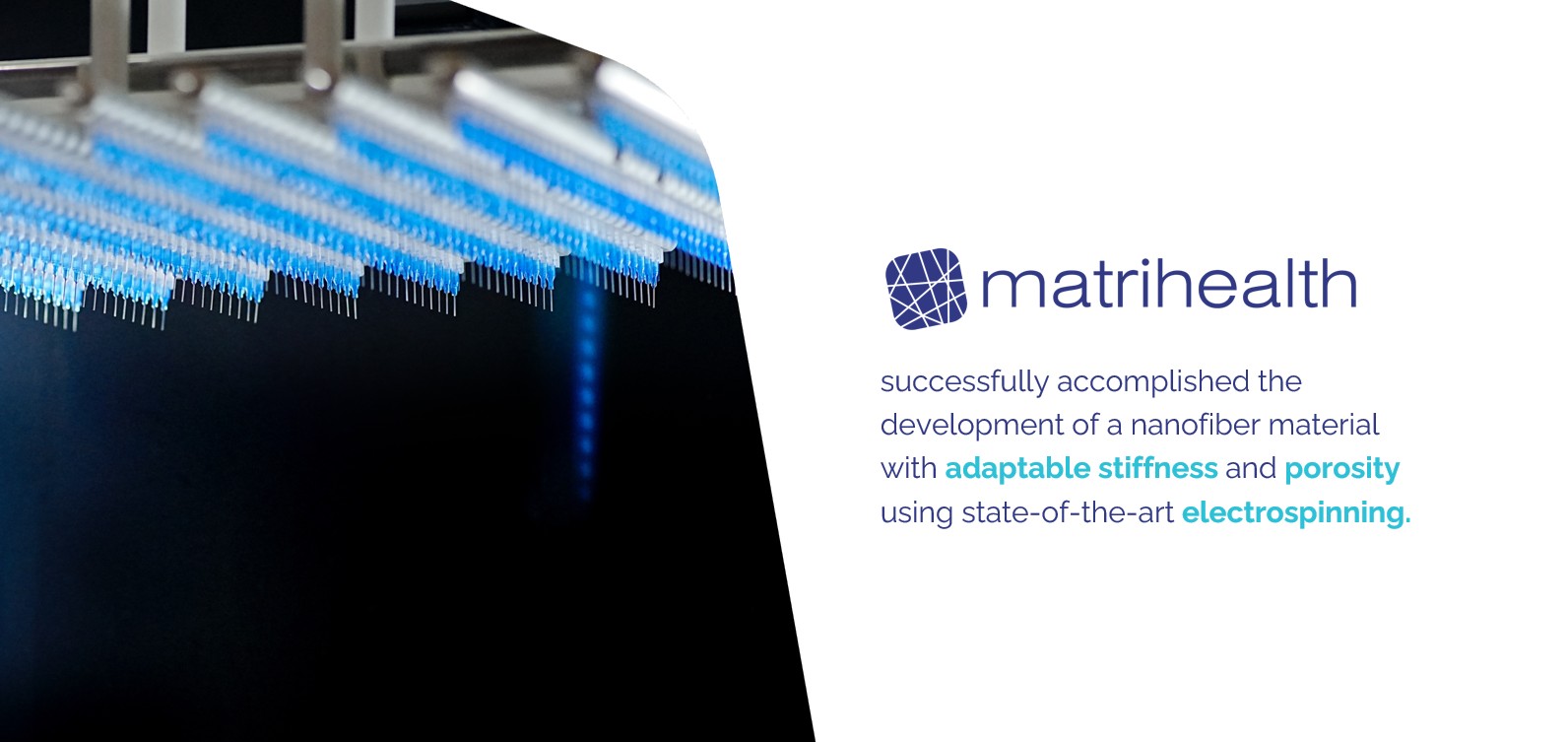
Tuning Mechanical Properties for Wound Healing: By varying collagen-to-elastin ratios, they precisely adjusted stiffness and porosity, obtaining highly elastic, fully degradable scaffolds ideal for advanced wound care applications.
Validating Biocompatibility and Safety: Extensive testing—including cytocompatibility, endotoxin levels, irritation potential, tensile testing and in vivo studies—demonstrated low irritative potential, excellent cell support and no adverse tissue reactions after implantation.
Enabling Industrial-Scale, Cost-Effective Production: Using an industrially scalable electrospinning process, Matrihealth built a versatile platform for producing elastin-based nonwovens at scale, opening the door to a new generation of absorbable, protein-based wound dressings and other biomedical products.
“From our perspective, the Fluidnatek LE-50 system played a key role in the development of the electrospun material. Its simple and reliable setup enabled rapid optimization of the material system, allowing us to efficiently adjust processing parameters and iterate on formulations within a short time.
In addition, the high flexibility of the system was particularly valuable. The possibility to switch between different configurations such as single- and multi-nozzle setups, as well as drum and plate collectors allowed us to tailor the process conditions to the specific requirements of the material and target structure.
Another important aspect was the ability to produce highly homogeneous fiber mats. This was largely facilitated by the Sweeping X Unit, which ensured uniform fiber deposition. Such homogeneity was essential for obtaining reproducible results and for conducting microstructural and mechanical characterization of the material.
Furthermore, the system represents an “all-in-one” solution for development work. It not only supports classical R&D activities but also provides sufficient capacity to produce material at a small pilot scale. In our case, this enabled us to generate enough material for subsequent in vivo testing, ensuring a seamless transition from development to application.” Tobias Hedtke, CTO at Matrihealth Germany.
If you’re interested in developing your own advanced wound care or biomaterials projects with Fluidnatek’s electrospinning platforms, feel free to reach out—we’re here to help you turn your concepts into patient-ready solutions.


 ESP
ESP