


In this case study, we explore how MARILYS Blanchy, Expert in Materials for Medical Devices at APPLUS/RESCOLL, addressed the challenges of developing advanced biomimetic scaffolds for bone regeneration using our electrospinning technology.
Challenge
“In our quest to create advanced biomimetic scaffolds, we faced a significant challenge: reproducing fully functional and vascularized tissue. These scaffolds serve as templates, enabling endogenous tissue to reconstruct or regenerate effectively.”
Solution
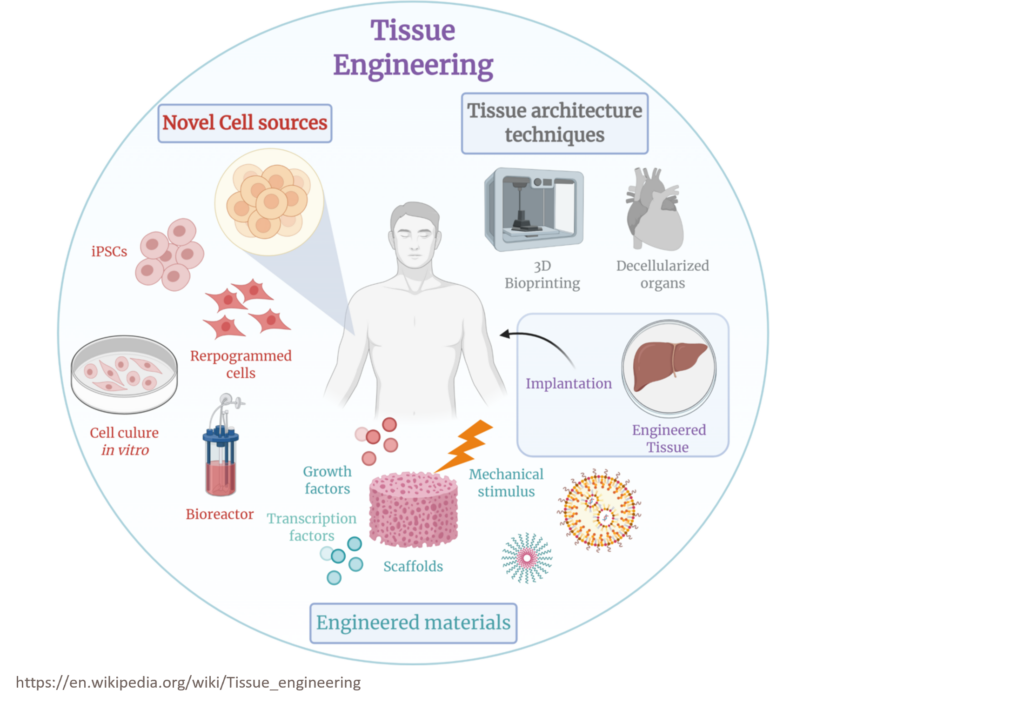
To address these needs, APPLUS/RESCOLL developed a multi-material, multiscale approach that combines a 3D scaffold for mechanical support with an electrospun membrane designed as a drug reservoir and cell-interactive interface. They used a Fluidnatek LE-100 electrospinning system to fine-tune fiber morphology, scaffold architecture and release behavior.
Marilys Blanchy: “With Fluidnatek LE-100 we can control the environment (temperature and relative humidity), we have two sources of high voltage, different geometries of collectors (rotating or flat), and we can fine-tune the flow rate and the line displacement of the nozzle during the manufacturing process.”
Specifications used:
- Temperature 20 – 50° C
- Relative humidity 10 -90%
- 2 High voltage : 0 – 30 kV et -30-0 kV
- Rotating collector : 2 diameter 18mm et 100mm v=0-2000 rpm
- Flat collector ; 40*40 cm
- Max-min flow rates: 1.257-0,73 ml/h
- 2 syringues pumpes heated up to 120°C
- X motion : 0-100 mm/s
Using these capabilities, the team:
- Adjusted process and environmental parameters, such as relative humidity, to modify fiber quality, overall thickness, porosity and patch density.
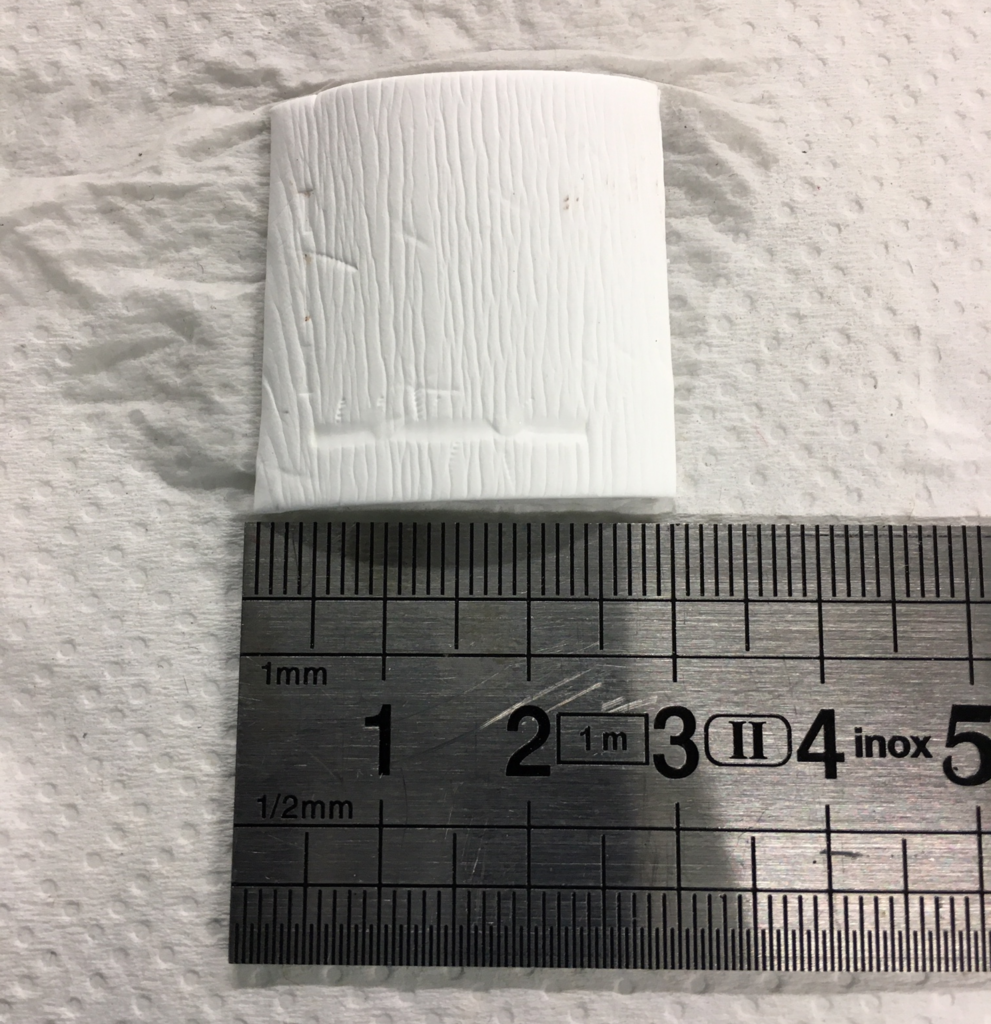
- Targeted fiber diameters of approximately 1–2 micrometers and patch thicknesses in the 500 micrometer to 1 millimeter range, then verified these values experimentally.
- Characterized and improved surface wettability, starting from a highly hydrophobic matrix with a contact angle around 130°, working on surface state to obtain a more hydrophilic membrane favorable to cell attachment.
- Produced core–shell fibers using two polymer solutions, achieving cores of around 60 nanometers and shells of about 120–200 nanometers, as confirmed by transmission electron microscopy.
- Evaluated the release kinetics of a model molecule (calcine) from the electrospun fibers and showed that, although the overall release profiles were similar, the total amount released could be tuned by changing electrospinning process parameters.
Results
By combining controlled electrospinning with careful materials and process optimization, APPLUS/RESCOLL demonstrated that they could:
- Manufacture electrospun matrices with defined fiber diameter, thickness, porosity and density that are suitable for tissue engineering applications.
- Modify surface hydrophilicity to better support cell attachment and integration.
- Generate reproducible core–shell fibers capable of encapsulating active ingredients in liposomal form and enabling tunable release amounts over time.
- Work towards scalable, batch-to-batch consistent production using medical-grade materials, while studying sterilization conditions to preserve the properties of both the fibers and the incorporated actives.
“Electrospinning has proven to be a game-changer in our research, pushing the boundaries of what’s possible in tissue engineering.” Marilys Blanchy.



 ESP
ESP