



In this case study, we explore how the team at RenovoDerm is developing next-generation electrospun wound care technologies designed to improve tissue regeneration, reduce scar formation, and promote durable wound closure for acute and chronic wounds.
Challenge
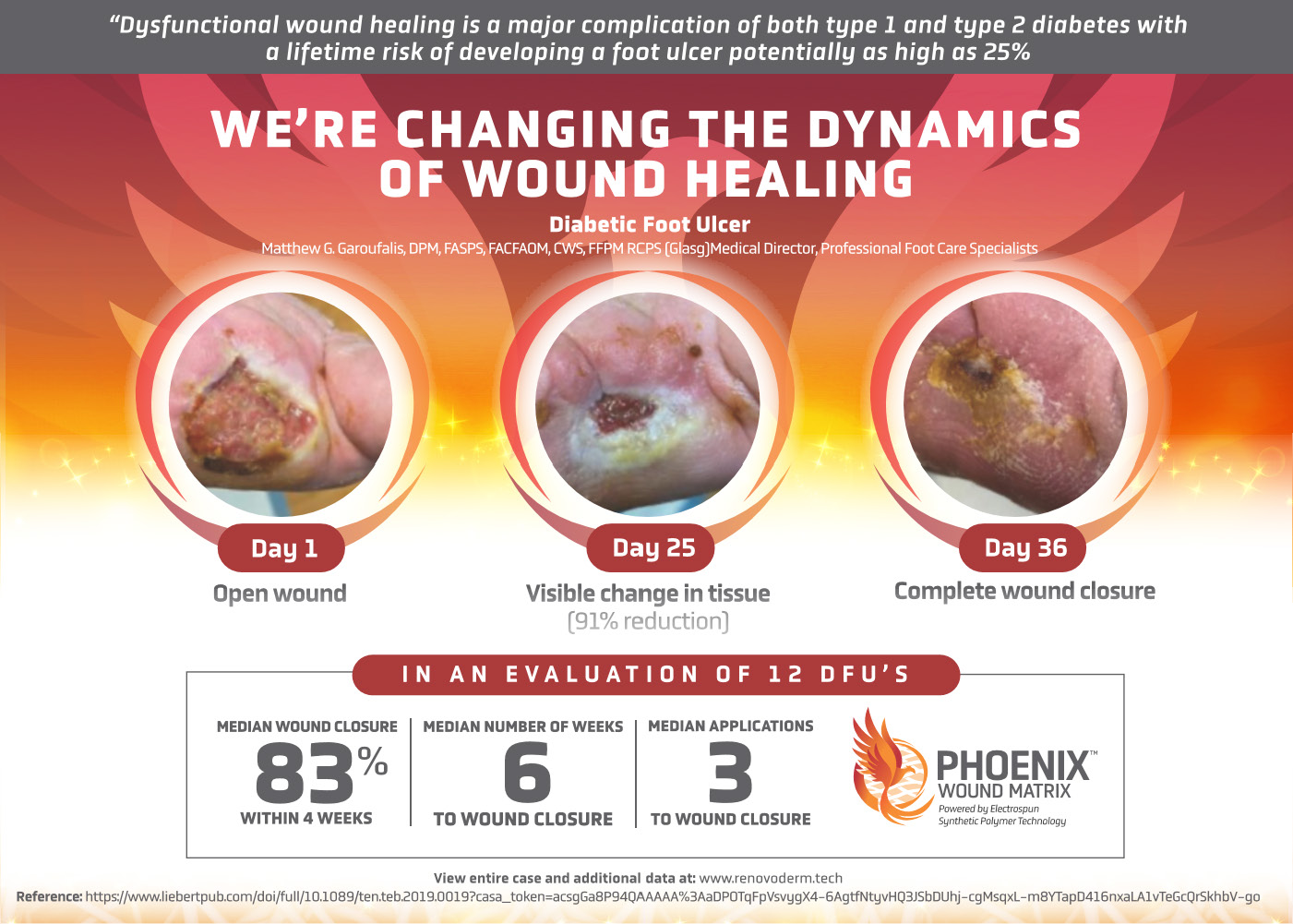
Chronic and difficult-to-heal wounds remain a significant clinical challenge, especially when the wound environment does not support effective tissue regeneration. Traditional wound care approaches may not fully address the biological complexity of acute wounds, chronic wounds, and burns, where inflammation, poor tissue remodeling, and delayed closure can slow recovery.
Solution
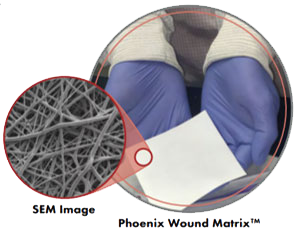
RenovoDerm developed Phoenix Wound Matrix®, a bioresorbable, electrospun wound care scaffold designed to create a temporary regenerative microenvironment that supports the body’s own healing response. Its biomimetic, ECM-inspired structure is intended to support cell infiltration, tissue integration, and regenerative healing across a range of wound types.
Using Fluidnatek electrospinning technology, RenovoDerm can produce reproducible electrospun sheets with the process control needed to support both R&D and manufacturing. That level of control is especially valuable when working with large-format wound care scaffolds that require consistent morphology and reliable output.
“Our wound care scaffolds can be as large as 10 x 20cm. If there is any defect present such as spits or drips, we must scrap that piece. The Fluidnatek LE-500 system allows us to consistently produce these large electrospun sheets without defects, saving us time and money. We use the Fluidnatek LE-500 system in the R&D and manufacturing of most of our products. I have over 10 years of electrospinning experience, and I am very pleased with the ease of use, consistency of product, and the manufacturing output of the Fluidnatek LE-500 system. It has been the backbone of our production since we began developing this product in 2015, supporting V&V sample builds, pilot production, and validated manufacturing of commercial medical devices.” — Jason Chakroff, Lead Engineer at RenovoDerm.
Results
Phoenix Wound Matrix® supports RenovoDerm’s mission to advance wound healing solutions for acute and chronic wounds, as well as burns. The platform is designed to help create a wound-friendly environment that supports tissue remodeling and regenerative repair while gradually resorbing over time.
The result is a scalable wound care technology built around a synthetic, electrospun scaffold architecture that aligns with modern regenerative wound care development. Fluidnatek’s process control and reproducibility have helped RenovoDerm move from development toward translational application with greater consistency.

Evolution of a full-thickness dermal wound. Left to right: Results using Phoenix Wound Matrix at days 0, 14, 21, and 31. Far right (Day 31 histology): Microscopic view confirming complete re-epithelialization, matured granulation tissue, and a significantly reduced inflammatory response.
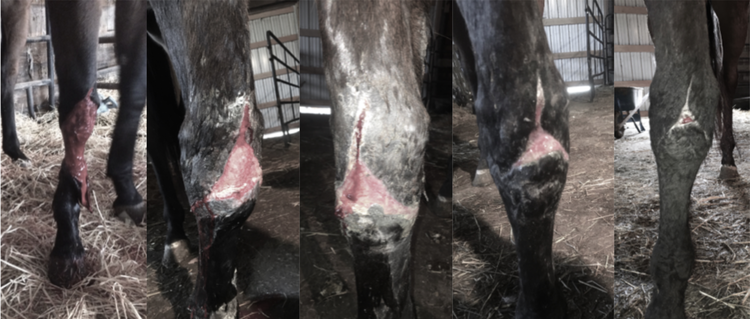
The Phoenix Wound Matrix is engineered to trigger functional tissue regeneration, moving beyond the limitations of chronic inflammation and fibrosis. In this case, the wound’s severity initially led to a recommendation for euthanasia. However, at the owner’s request, Phoenix Wound Matrix was applied instead. Thanks to this breakthrough technology, the horse achieved a full recovery.
Want to develop advanced biomaterials with Fluidnatek? Let’s talk!


 ESP
ESP